Guías
Cómo prepararse para la cirugía oral
Oral surgery usually follows a simple sequence: a consultation, written instructions before the procedure, the surgery itself, and a recovery period at home. Knowing the steps ahead of time can make the day feel more manageable and help you ask better questions before you schedule.
Qué preparación suele implicar
Preparation for oral surgery often starts several days before the procedure, not just the night before. Many offices give written instructions about eating and drinking, regular medications, transportation, and what to bring on the day of surgery. The exact instructions can vary by procedure, sedation plan, and your overall health history, so your surgeon's office is the final source for your case.
In general, people prepare in four parts: they review the treatment plan, follow the surgeon's pre-op instructions, arrange a ride and support at home if needed, and set up basic aftercare supplies before leaving for the appointment. This can be true for procedures listed in /procedures/, including wisdom teeth removal, dental implants, bone grafting, and surgical extractions.
If anything in your instructions is unclear, it is reasonable to call the office before the day of surgery and ask for plain-language clarification. A second opinion is also reasonable if you do not fully understand why a procedure is being recommended, what the risks are, or what the written cost includes.
- Read all written instructions early, not at the last minute
- Confirm the exact arrival time and office location
- Make sure you understand the plan and the expected fees before scheduling
Ayuno, medicamentos y qué preguntar antes del día
One of the most important pre-op topics is fasting. Some oral surgery visits use local anesthesia only, while others may involve deeper sedation or general anesthesia. Because the rules differ, a surgeon may give specific instructions about when to stop eating or drinking before the procedure. Follow the instructions you receive from the surgeon's office exactly, even if you have had a different dental procedure in the past.
Medication instructions also vary. In many cases, patients are told to review their current medicines with the office and ask which ones should be taken, skipped, or adjusted on the day of surgery. Do not make changes on your own. The safest approach is to get the plan in writing from the surgeon or surgical team.
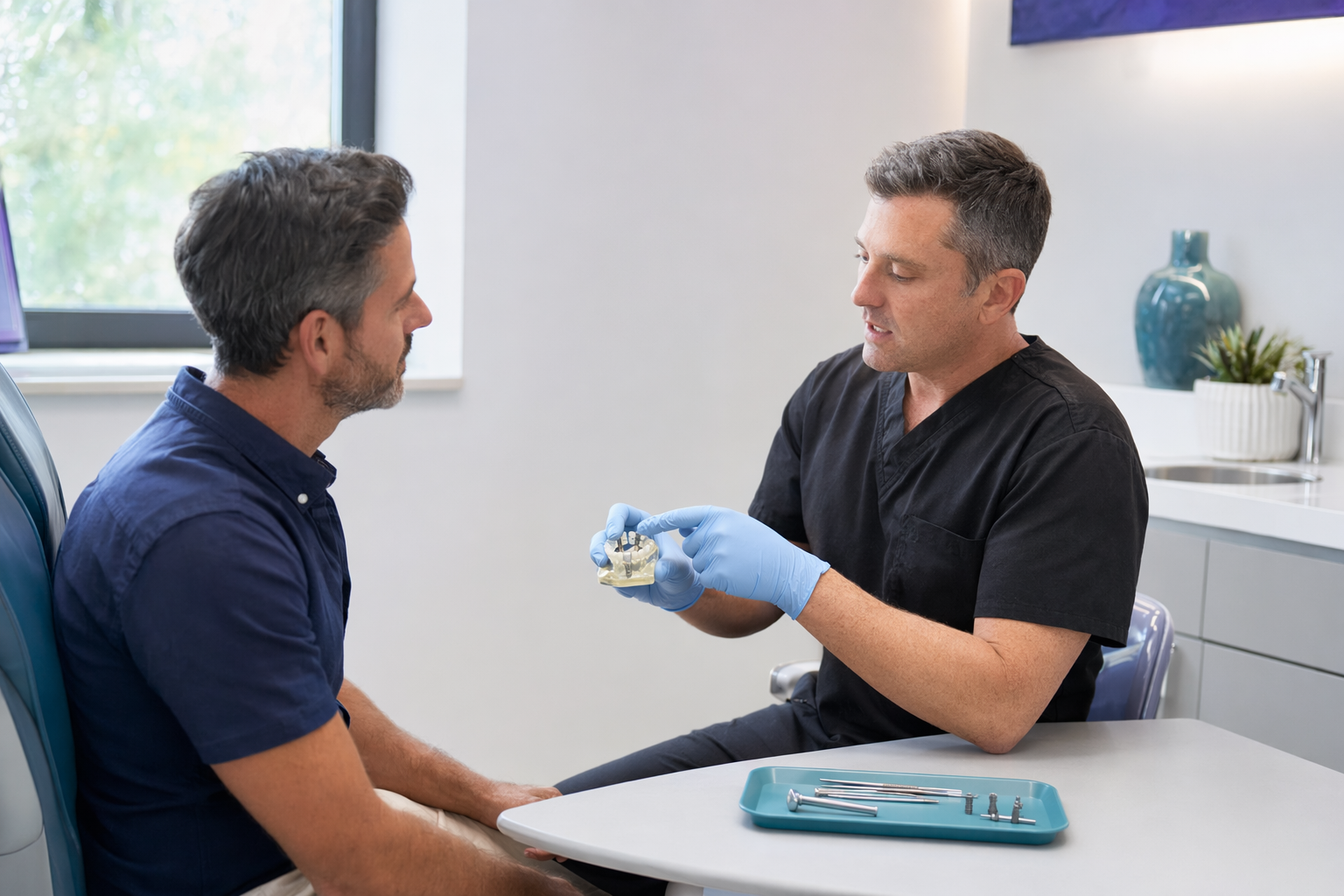
It can help to ask simple questions in advance: What kind of anesthesia or sedation is planned? What should I avoid the night before? Should I wear short sleeves or comfortable clothing? Will I be able to return to work, school, or driving the same day? More background on common sedation choices is available in /guides/, but your own surgeon should explain the option they recommend, the limits, and the possible risks.
When comparing offices, ask whether the surgeon is a board-certified oral and maxillofacial surgeon and verify credentials yourself. You can also ask whether instructions and consent forms are available in your preferred language. Many patients find that language support makes the process much less stressful.
- Fasting rules depend on the anesthesia or sedation plan
- Ask for medication instructions in writing
- Verify board certification yourself before scheduling
Transporte, preparación en casa y qué llevar
If sedation or general anesthesia is part of the plan, many offices require an adult to drive the patient home and sometimes stay nearby for a period afterward. This is a practical issue to confirm early, because offices may cancel or reschedule if their transportation policy is not met. Even when the procedure seems routine, it is wise to know the office rules in advance.
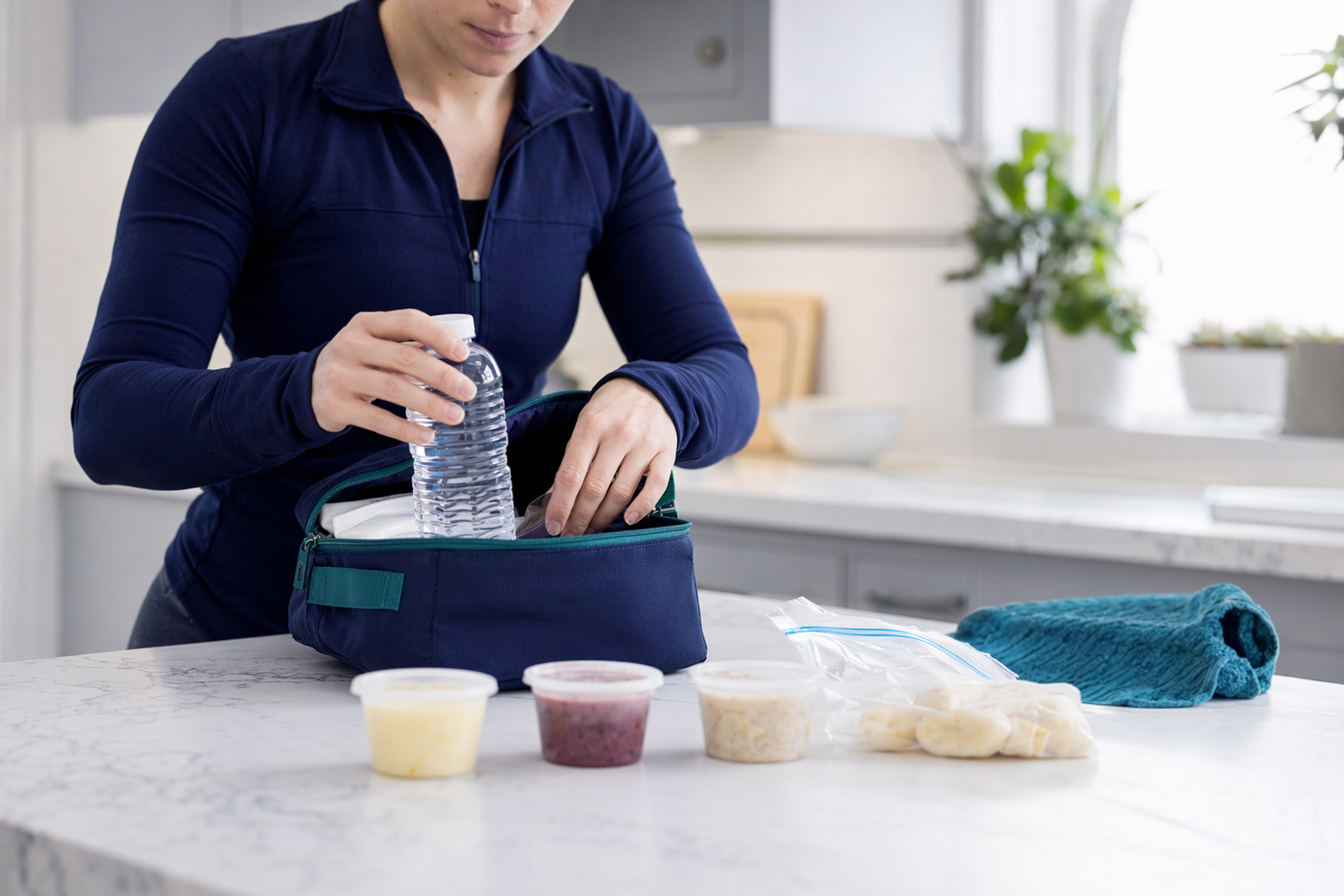
Before the appointment, many people also prepare a simple recovery area at home. Common aftercare supplies may include soft foods, water, ice packs, gauze if the office suggests it, and any prescribed items picked up ahead of time if allowed. Typical recovery is not a promise, and everyone heals differently, but being prepared can make the first day easier.
On the day of surgery, offices often ask patients to bring a photo ID, a method of payment if any balance is due, and any required paperwork. It is smart to leave valuables at home and wear comfortable clothes. If the office gave special instructions about contact lenses, jewelry, nail polish, or removable dental appliances, follow those directions rather than guessing.
- Arrange a ride home early if sedation is planned
- Set up soft foods and basic supplies before your appointment
- Bring only what the office asked for
Planificación de la recuperación y cuándo contactar al cirujano
Most oral surgery recoveries follow a pattern: numbness wears off, some swelling or soreness is common, eating is limited at first, and activity may need to be lighter for a short time. The exact timeline depends on the procedure, the number of surgical sites, whether bone grafting or implants were involved, the type of anesthesia used, and the individual patient. Typical timelines are helpful for planning, but they are not a guarantee.
Before surgery, ask what is considered normal after your specific procedure and what symptoms should lead you to call the office. Many patients want to know about pain control, swelling, bleeding, diet, oral hygiene, work and school timing, and follow-up visits. These are good questions, and the answers should be explained in plain language before you commit.
It is especially important to know who to contact after hours if you are worried. For emergencies such as heavy bleeding, trouble breathing or swallowing, or a serious facial injury, call your local emergency number first. For non-emergency concerns after surgery, contact the surgeon's office and follow the discharge instructions you were given.
If your instructions feel rushed or incomplete, that is a sign to slow down and ask more questions. A careful office should be able to explain the usual course of recovery, the main risks, and when you would be seen again for a check.
- Typical recovery varies by procedure and person
- Ask what is normal and what should prompt a call
- For heavy bleeding or trouble breathing, call emergency services first
Coste, segundas opiniones y cómo elegir a un cirujano
Before you schedule, ask for the treatment plan and full expected cost in writing. Oral surgery pricing in the US can vary a lot based on the procedure, how complex the case is, whether sedation is used, your location, and insurance. Costs are best understood as ranges, not quotes until the office reviews the details of the case.
For example, a simpler surgical extraction may cost much less than treatment involving several teeth, sedation, imaging, or bone grafting. The real number depends on the case. Ask what is included, what might be billed separately, and what could change the final total. If insurance is involved, ask the office what they can estimate and what you may still need to confirm with your plan.
You are allowed to compare surgeons. Ask about board certification, experience with your type of procedure, the sedation options offered, where the surgery takes place, and what follow-up care is included. If you want help finding offices to contact, /get-matched/ is a free service for patients. Participating surgeons pay a flat fee, and patients can ask to be connected in their preferred language.
The goal is not to rush. It is to understand the plan, verify the surgeon's credentials yourself, and feel comfortable with the written instructions, costs, and recovery expectations before the day of surgery.
- Ask for the plan and full cost in writing before scheduling
- Cost ranges are not quotes
- A second opinion is always reasonable

To prepare for oral surgery, read the office instructions early, confirm fasting and medication rules, arrange transportation if needed, set up basic recovery supplies, and choose a board-certified OMS only after you understand the written plan and costs.
Preguntas frecuentes
How long before oral surgery should I start preparing?
As soon as you receive the written instructions. Many people prepare several days ahead by reviewing fasting rules, transportation, and aftercare supplies.
Can I eat or drink before oral surgery?
That depends on the procedure and the anesthesia or sedation plan. Follow the surgeon's specific instructions exactly.
Do I need someone to drive me home?
Many offices require a ride home if sedation or general anesthesia is used. Confirm the office policy before the day of surgery.
What should I ask at the consultation?
Ask about the treatment plan, board certification, sedation options, risks, recovery expectations, follow-up care, and the full expected cost in writing.
How much does oral surgery cost?
Costs vary widely by procedure, complexity, sedation, insurance, and location. Any numbers should be treated as ranges, not quotes.
Is it okay to get a second opinion?
Yes. A second opinion is reasonable if you want more clarity about the diagnosis, treatment plan, risks, or cost.