Respuestas rápidas
¿Cuánto tiempo después de una extracción puedo colocar un implante?
Getting a dental implant after a tooth extraction can happen at different times. In simple terms, the main question is whether the implant goes in the same day as the extraction, after the gum heals, or after the bone heals more fully.
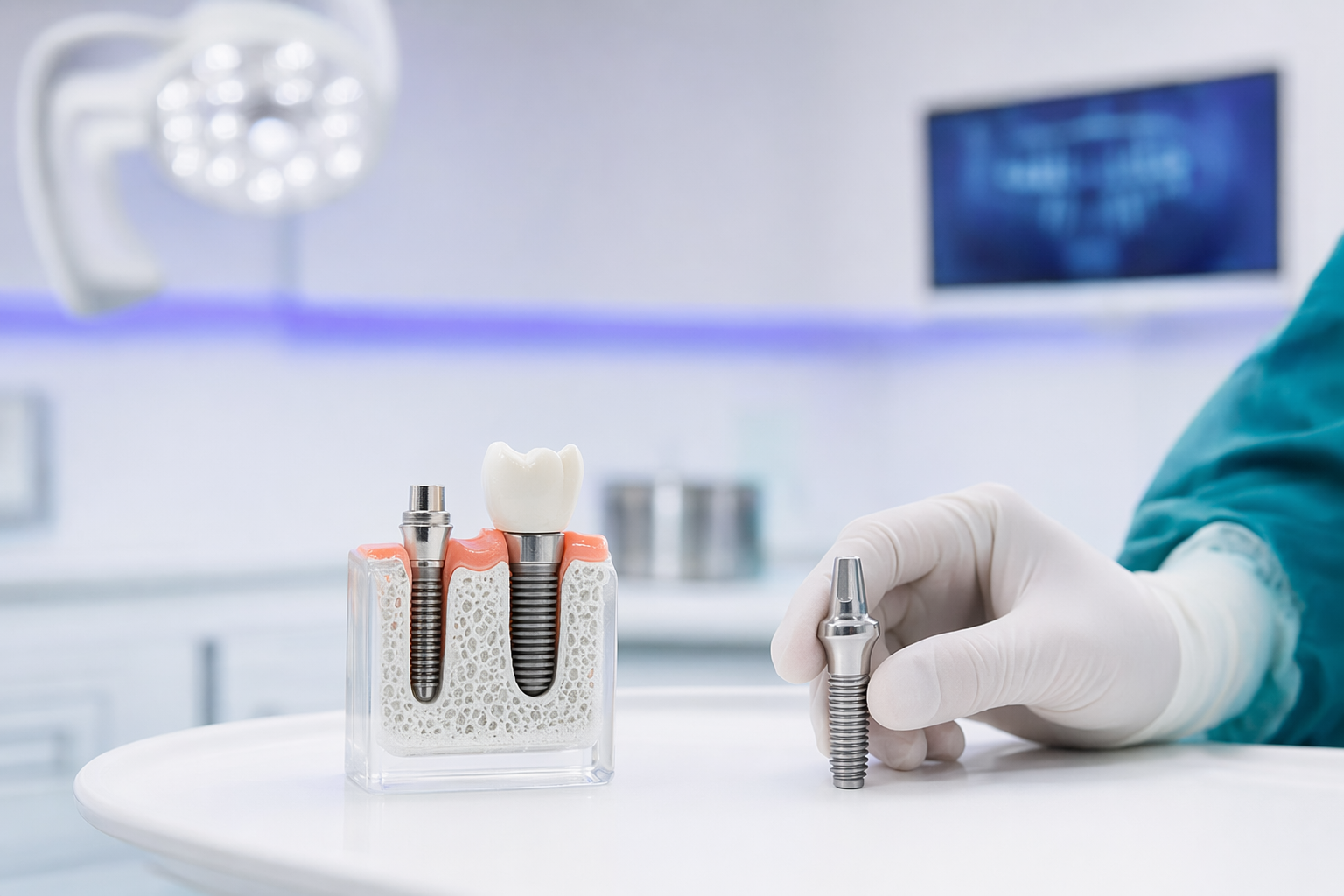
En qué consiste, en lenguaje sencillo
A tooth extraction removes the damaged or missing tooth root from the jaw. A dental implant is a small post placed in the bone, and later a crown, bridge, or denture tooth is attached to it. These are separate steps, even when they happen close together.
In many cases, the timing depends on the condition of the bone and gum at the extraction site. An oral and maxillofacial surgeon may consider whether there is infection, how much bone is present, the location of the tooth, and whether a bone graft may help support a future implant.
That means there is no one timeline that fits everyone. Some people are told an implant may be placed immediately after extraction. Others may be told to wait several weeks or several months so the area can heal first. The decision is made by the treating surgeon after an exam and imaging.
- Extraction removes the tooth
- An implant is placed in the jawbone
- A replacement tooth is usually attached later
Opciones de tiempos comunes después de la extracción
A surgeon may describe implant timing in a few general categories. One option is immediate placement, where the implant is placed at the same visit as the extraction. This can reduce the number of surgical visits in some cases, but it is not right for every situation.
Another option is early placement, where the extraction site is allowed to heal for a short period before implant surgery. A third option is delayed placement, where more complete healing happens first. Delayed timing is sometimes discussed when the site needs more bone healing or when the surgeon wants inflammation or infection fully resolved.
Typical healing windows vary widely. Some sites may be evaluated for implant placement after several weeks. Others may need a few months or longer, especially if bone grafting is involved. These are typical ranges, not a promise. Everyone heals differently, and your surgeon's written plan matters more than any general timeline online.
If you are comparing options, it can help to ask why a surgeon recommends immediate, early, or delayed placement in your case. A second opinion is also reasonable if you want another board-certified oral and maxillofacial surgeon to review the plan.
- Immediate: same visit as extraction in some cases
- Early: after initial gum healing
- Delayed: after more complete bone and tissue healing
Qué puede afectar el calendario
Several factors can change how long someone may wait after extraction before getting an implant. These can include the amount and quality of bone, whether the tooth was in the front or back, whether the area has active infection, and whether the surgeon expects the gum line to change as it heals.
Bone grafting is a common reason the timeline changes. If a graft is placed at the time of extraction, the surgeon may want time for that material to heal before placing the implant. In some situations, grafting and implant placement may happen together. In others, they are done in stages.
The final replacement tooth also affects planning. Front teeth may require more attention to appearance and gum contour. Back teeth may involve higher biting forces. Sedation choice, medical history, smoking status, and overall treatment goals may also be part of the discussion, but only a licensed surgeon can say what is appropriate for a particular patient.
This is why it helps to get the full plan in writing before scheduling. Ask what happens first, what may happen later, and what could change the timeline.
- Bone level and bone quality
- Infection or inflammation at the extraction site
- Need for bone grafting
- Front tooth vs back tooth planning
Recuperación típica y cuándo llamar al cirujano
Recovery after extraction usually happens in phases. In the first few days, swelling, soreness, and limited chewing are common. Over the next few weeks, the gum tissue often looks more settled. Bone healing usually takes longer than gum healing, which is one reason implant timing can vary.
If an implant is placed, there is also a healing period before the final tooth is attached. In many cases, that phase takes a few months, but timing varies by site and treatment plan. Typical recovery and treatment timelines are not a promise. Everyone heals differently.
General warning signs after oral surgery can include worsening pain after initial improvement, fever, bad taste or drainage, new swelling, or a loose temporary restoration. The surgeon's office should explain what is normal for your procedure and when they want a call. For heavy bleeding, trouble breathing or swallowing, or serious facial injury, call your local emergency number first.
If you want more plain-language help sorting through options, the guides on /help/ can be a good place to start before you book a consultation.
- First days: swelling and soreness are common
- Gums often settle before bone is fully healed
- Implants usually need additional healing time before the final tooth
Coste, consultas y cómo comparar cirujanos
The cost depends on what is actually needed. A single implant case may involve an extraction, imaging, sedation, bone grafting, the implant itself, an abutment, and the final crown. In the US, broad ranges can vary from about $3,000 to $7,000+ per tooth when all parts are included, but more complex cases can cost more. These are ranges, not quotes.
The real number depends on the case, the surgeon and restorative dentist fees, sedation type, whether grafting is needed, your location, and insurance benefits. Some plans help with parts of treatment but not all parts. You can review more general pricing information at /costs/.
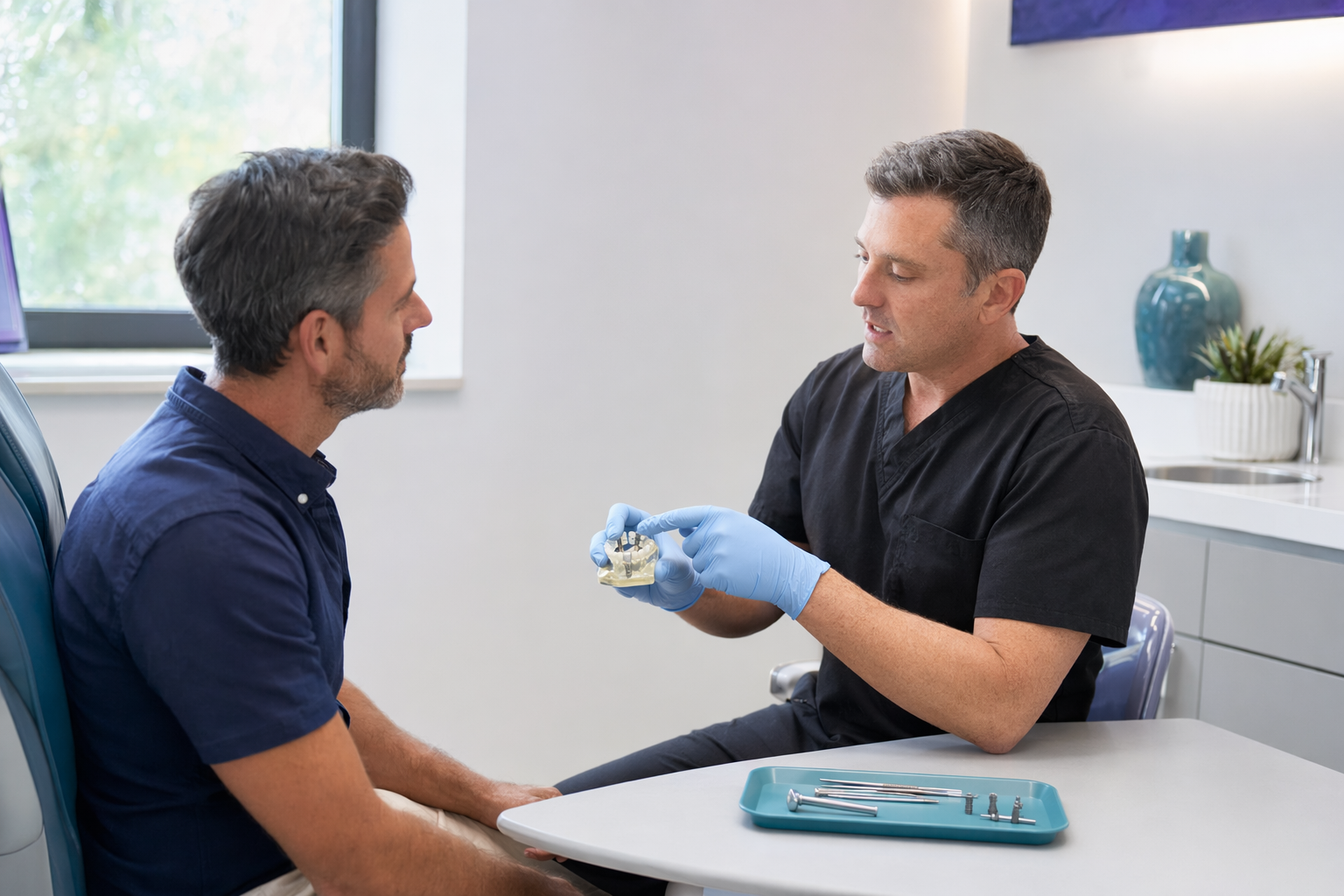
A consultation is where you compare plans, not where you rush into a decision. Ask whether the surgeon is a board-certified oral and maxillofacial surgeon, and verify credentials yourself. Ask what timing they recommend, whether grafting may be part of the plan, what sedation options they offer, what the main risks are, and when the final tooth would likely be placed. Ask for the treatment steps and full cost in writing before scheduling.
If you want help finding a board-certified oral and maxillofacial surgeon, you can use /get-matched/. The matching service is free to patients, and help is often available in more than one language.
- Ask for board certification and verify it yourself
- Get the treatment sequence and full cost in writing
- A second opinion is always reasonable
- Matching is free to the patient
After an extraction, an implant might be placed right away or after weeks or months of healing, and a board-certified oral surgeon can explain the safest timing and total cost for your case.
Preguntas frecuentes
Can an implant be placed the same day as an extraction?
Sometimes, yes. In general, some cases allow same-day placement, while others need healing first. A licensed surgeon decides based on the bone, gum, and overall condition of the site.
How long do people usually wait after extraction for an implant?
It varies. Some people may be evaluated for placement after several weeks, while others may wait a few months or longer. Bone grafting and site healing often affect the timeline.
If I have an infection, does that always mean I have to wait?
Not always, but infection can change the plan. In many cases, the surgeon will want to assess whether the area should heal before implant placement.
Does a bone graft mean I cannot get an implant right away?
Not necessarily. Some cases are staged, and some combine steps. The timing depends on the site and the surgeon's judgment.
How much does it usually cost?
A single-tooth implant case in the US may range from about $3,000 to $7,000+ when all parts are included, but the total can be higher in complex cases. These are ranges, not quotes.
What should I ask at the consultation?
Ask whether the surgeon is board-certified, what timing they recommend, whether grafting may be needed, what sedation options they offer, what the main risks are, and for the full plan and cost in writing.