Guides
Oral Surgery Recovery Guide
Oral surgery recovery usually happens in stages. In plain terms, the area is treated, bleeding is controlled, swelling builds for a short time, then healing slowly improves over days and weeks. Your surgeon gives the instructions for your specific case, but it helps to know what recovery commonly looks like before you schedule.

What recovery usually involves
Many oral and maxillofacial procedures follow the same general pattern. The mouth or jaw is treated, the area is protected with gauze or stitches if needed, and you go home to rest while the first stage of healing begins. Some people have local numbing only. Others also have sedation or anesthesia. That can affect how the first day feels.
The first 24 hours are often about rest, protecting the area, and following the written instructions from the surgeon's office. Mild oozing, soreness, and swelling are common after many procedures. For some surgeries, swelling may increase before it gets better. That can be normal, but the exact pattern depends on the procedure, your health, and how your body heals.
Recovery is not the same for everyone. A simple extraction may feel very different from bone grafting, implant surgery, exposure of a tooth, or jaw surgery. That is why it is important to understand the plan in advance, ask what is typical for your case, and choose a board-certified oral and maxillofacial surgeon. You can explore common procedures here: /procedures/.
- Healing often happens in stages, not all at once
- Swelling and soreness can be normal early on
- Typical timelines are not a promise; everyone heals differently
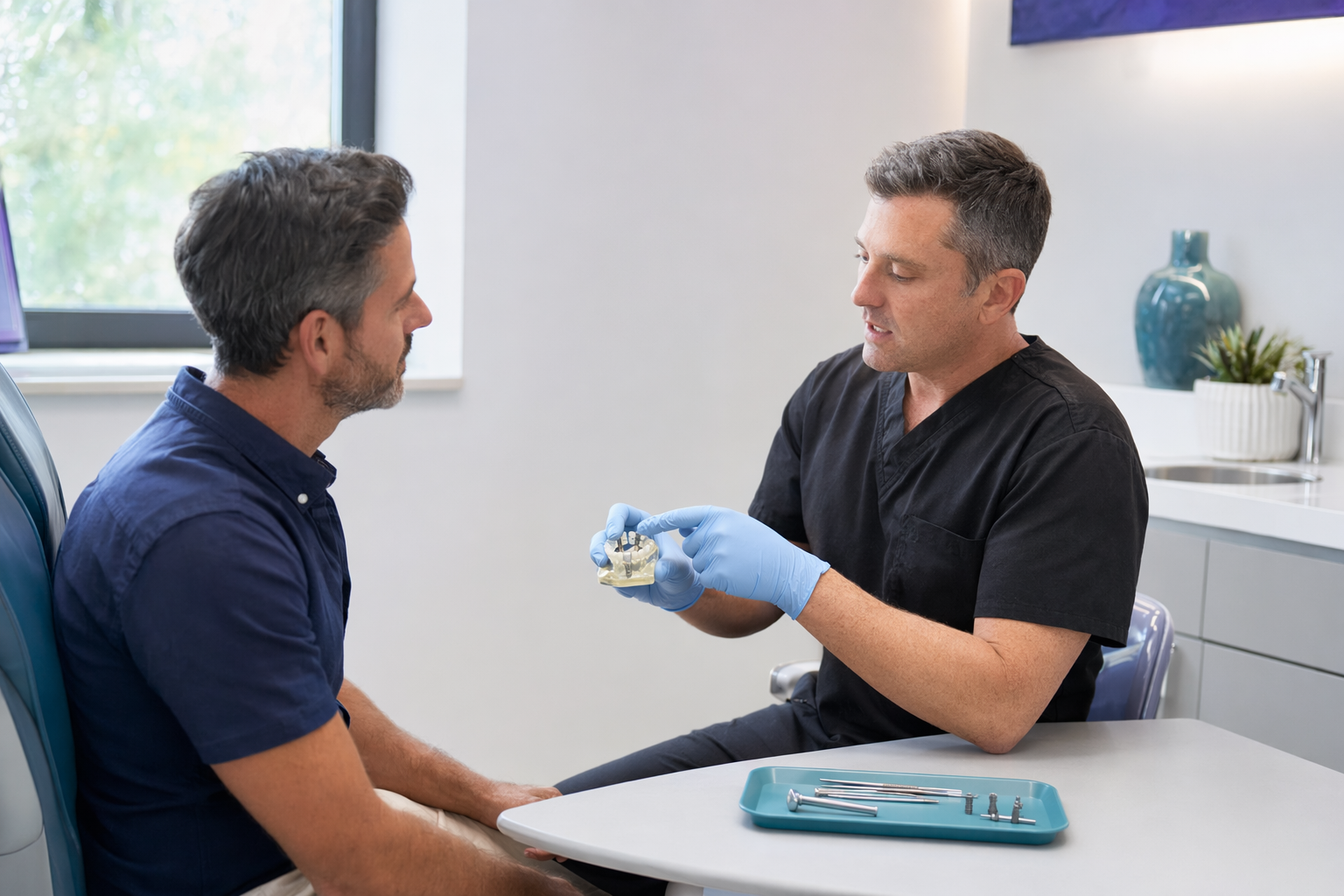
Swelling, pain, eating, and rest
After oral surgery, many people want to know what is normal. In general, swelling and discomfort are common in the first few days, then slowly improve. Jaw stiffness, tiredness, and limited appetite can also happen for a short time. Some procedures also leave bruising. Your surgeon may explain what is more common for your type of surgery and what changes would be unexpected.
Eating often needs to be simple at first. Many patients are told to start with softer foods and plenty of fluids, then return to normal foods as healing allows. The exact timing depends on the procedure and the surgeon's instructions. Rest also matters. People who try to do too much too soon may feel worse or notice more swelling.
Pain control varies by case. Your surgeon may discuss different options before surgery and explain how to use them afterward. If you are comparing offices, ask what kind of follow-up help is available after the procedure, how after-hours questions are handled, and what instructions you will receive in writing. You can read more educational articles here: /guides/.
- Ask what eating restrictions are typical for your procedure
- Ask when normal activity usually resumes
- Make sure you understand the written after-care instructions before you leave
What is often normal, and when to contact the surgeon
In many cases, some bleeding or pink saliva is common soon after surgery. Swelling, soreness, and difficulty opening the mouth fully may also happen for a limited time. Stitches may dissolve on their own or may need follow-up, depending on the material used. If bone grafting or implants were involved, the healing timeline can be longer than a routine extraction.
What matters is the pattern. Many people improve little by little, even if the first couple of days are uncomfortable. If symptoms are getting noticeably worse instead of better, or if something feels unusual for the stage of healing, contact the surgeon's office and ask what they want you to do. The office can tell you what they consider routine after your exact procedure.
For emergencies such as heavy bleeding, trouble breathing or swallowing, or a serious facial injury, call your local emergency number first. Those situations should not wait for a routine office callback.
- A slow improvement pattern is common
- Worsening symptoms deserve a call to the surgeon's office
- Emergency warning signs need emergency help first
Recovery time and cost: honest ranges, not quotes
A common question is, "How long until I feel normal?" The honest answer is that recovery has a typical range, but no guarantee. Some people feel ready for normal daily activities quickly after minor surgery. More involved treatment may mean a longer recovery and more follow-up visits. Typical recovery time depends on the procedure, the size of the surgery, whether sedation or anesthesia was used, and individual healing.
Cost also varies widely. For many office-based oral surgery procedures in the US, the total can range from a few hundred dollars for a straightforward service to several thousand dollars for more complex treatment. Sedation type, imaging, grafting materials, implant components, insurance coverage, and your local area can all change the number. These are ranges, not quotes.
Before scheduling, ask for the treatment plan and full expected cost in writing. Ask what is included, what may be billed separately, and whether follow-up visits are part of the fee. A second opinion is always reasonable, especially if the plan is complex or the price is unclear.
- The real price depends on the case, sedation, insurance, and location
- Get the plan and full cost in writing before scheduling
- A second opinion is reasonable
How to choose a surgeon and prepare for a smoother recovery
Recovery often goes more smoothly when expectations are clear before surgery. During a consultation, ask the surgeon to explain the procedure in plain steps, what type of numbing or sedation may be used, what the usual recovery timeline looks like, and what follow-up is usually needed. Also ask who you contact if you have questions after the office closes.
Always look for a board-certified oral and maxillofacial surgeon and verify credentials yourself. You are the decision-maker. Compare offices. Ask about experience with your procedure, sedation options and risks, language support, and whether instructions are available in a language you understand well. Many patients feel more confident when they bring a written list of questions.
If you want help finding offices to compare, /get-matched/ is free for patients. You share contact details and basic interest only, then you can review options and ask your own questions directly. This site is educational and a free matching service, not a surgical practice, so the final decision about treatment is always between you and a licensed surgeon.
- Verify board certification yourself
- Ask about sedation options, risks, and follow-up
- Language help may be available
- Matching is free to the patient

Oral surgery recovery usually improves step by step, but the timeline, cost, and instructions depend on the procedure, so compare board-certified surgeons, get the plan and price in writing, and call the surgeon if healing seems to be getting worse.
Common questions
How long does oral surgery recovery usually take?
It depends on the procedure. Minor surgery may improve within days, while more involved surgery can take weeks or longer. Typical timelines are not a promise, and your surgeon is the best source for your case.
Is swelling normal after oral surgery?
In many cases, yes. Swelling is common after oral surgery and may increase before it improves. The expected pattern depends on the procedure, so ask the surgeon what is typical for you.
When should I call the surgeon after surgery?
Call if symptoms are getting worse instead of better, or if something seems unusual for your stage of healing. For heavy bleeding, trouble breathing or swallowing, or serious facial injury, call your local emergency number first.
How much does oral surgery cost in the US?
Costs vary a lot. A straightforward procedure may be a few hundred dollars, while complex surgery can be several thousand dollars or more. These are ranges, not quotes, and depend on the case, sedation, insurance, and location.
Can I get a second opinion before scheduling?
Yes. A second opinion is reasonable, especially for a complex plan, unclear recovery expectations, or a price you do not fully understand.
Does Oral Surgery Path provide surgery?
No. Oral Surgery Path is an educational resource and a free matching service. It does not provide diagnosis, treatment, or surgery.