Oral Surgery Path
Oral & maxillofacial surgery procedures
Oral and maxillofacial surgery includes several procedures that treat teeth, jawbone, facial bones, and the tissues around them. This page explains common procedures in plain language, including what usually happens, typical recovery, and honest US cost ranges that are ranges, not quotes.
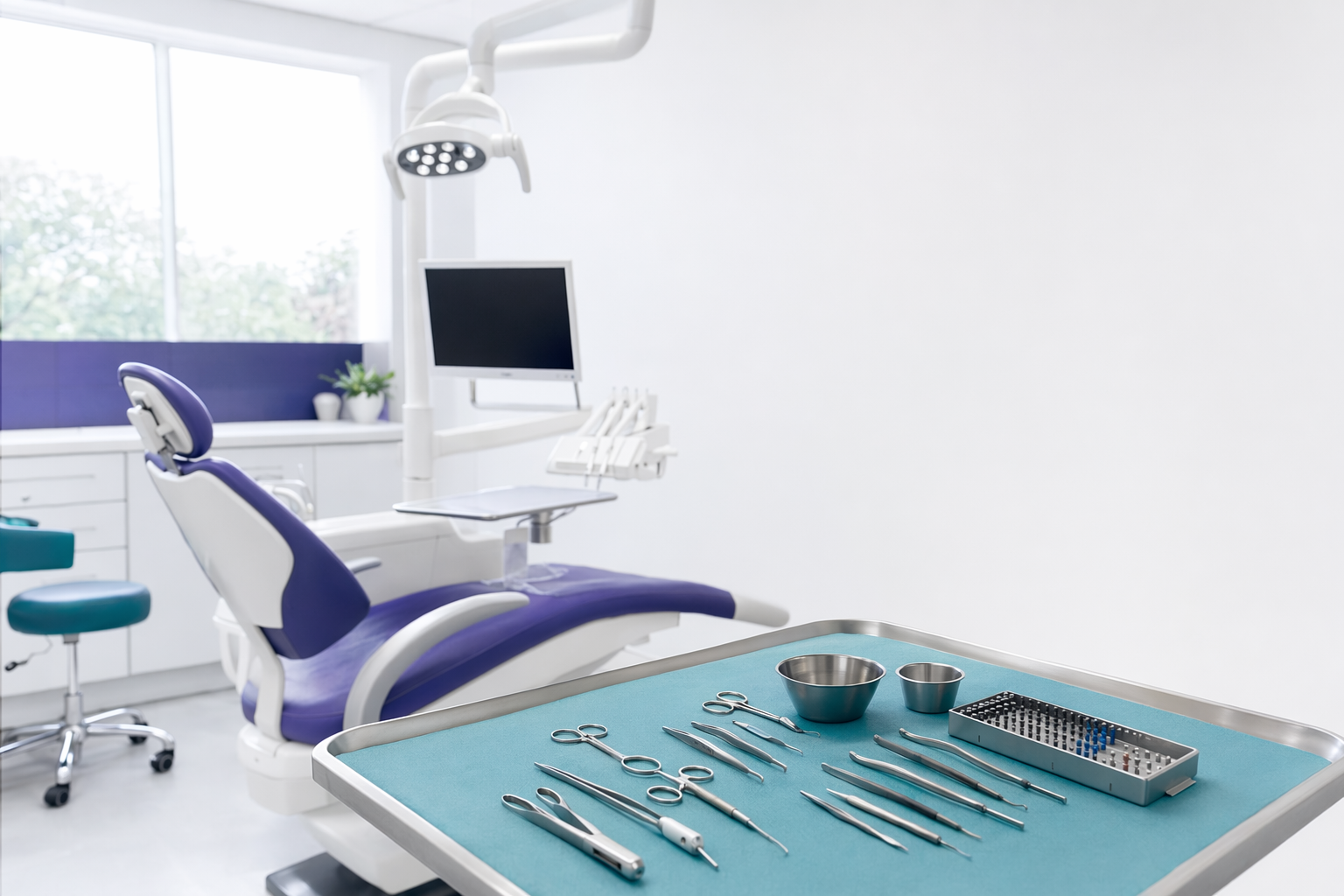
What wisdom teeth removal involves — impacted teeth, sedation, recovery, and honest costs.
Open → Dental implants: how the surgery works, healing, and costHow dental implant surgery works — placement, bone grafting, healing time, and the real cost of a single implant.
Open → Surgical tooth extraction: what to expect and what it costsWhen a tooth needs surgical removal rather than a simple pull — what happens, recovery, and cost.
Open → Dental bone grafting: why it's needed, healing, and costWhy bone grafting is needed before an implant, the types of graft, healing time, and cost.
Open → Corrective jaw surgery: what's involved, recovery, and costOrthognathic (corrective jaw) surgery for bite, breathing, and alignment — what's involved, recovery, and cost.
Open → Facial trauma repair: what oral surgeons do and recoveryHow oral and maxillofacial surgeons repair facial fractures and injuries — what to expect and recovery.
Open →What oral and maxillofacial surgery covers
Oral and maxillofacial surgeons treat problems involving the mouth, jaws, face, and related structures. Common procedures include wisdom teeth removal, surgical tooth extractions, dental implant surgery, bone grafting, corrective jaw surgery, and repair after facial injuries. Some procedures are done in an office. Others may be done in a hospital or surgery center, depending on the case.
A procedure often starts with a consultation. The surgeon reviews images, explains the reason surgery may be considered, talks about risks and benefits, and discusses anesthesia or sedation options. This page is general education only. It cannot tell you what you personally need. That decision belongs to you and a licensed, board-certified oral and maxillofacial surgeon.
If you are comparing surgeons, choose a board-certified oral and maxillofacial surgeon and verify credentials yourself. It is reasonable to get a second opinion. Before scheduling, ask for the treatment plan and full cost in writing. If you want help finding someone to speak with, the matching service is free at /get-matched/.
Wisdom teeth removal and surgical extractions
Wisdom teeth removal is one of the most common oral surgery procedures. In simple terms, the surgeon numbs the area, may use sedation or anesthesia depending on the plan, lifts the gum if needed, removes bone if needed, and takes out the tooth. Sometimes the tooth is removed in sections. Stitches may be placed afterward.
Surgical extraction is similar but can involve other teeth, such as broken teeth, impacted teeth, or teeth with roots that are difficult to remove. The exact steps depend on how the tooth is positioned and how much access is needed.
Typical recovery after extractions often includes swelling, soreness, limited jaw opening, and some oozing for the first day. Many people start feeling better over several days, but full healing of the gum can take longer. Typical recovery is not a promise. Everyone heals differently. The surgeon should tell you what is normal for your case and when to call the office. For heavy bleeding, trouble breathing or swallowing, or a serious facial injury, call your local emergency number first.
Costs vary widely. In the US, a simple extraction may range from about $150 to $500 per tooth. Surgical extractions and wisdom teeth removal can range much higher, often from several hundred dollars per tooth to a few thousand dollars total, especially if sedation is used. Your actual number depends on the difficulty of the case, imaging, sedation type, insurance, and your area. These are ranges, not quotes.
Dental implants and bone grafting
A dental implant is a small post placed in the jawbone to support a replacement tooth. In general, the surgeon opens the gum, prepares the site, places the implant, and closes the area so it can heal. In some cases, the implant is placed at the same visit as a tooth extraction. In other cases, healing happens first. The final crown or tooth restoration is usually completed later by the restoring dentist.
Bone grafting is often used when there is not enough bone for an implant or when the ridge needs support after a tooth is removed. A graft may use your own bone, donated bone, synthetic material, or a combination, depending on the plan. The goal is to support future stability, but the details depend on the specific case.
Recovery after implant placement or grafting often includes mild to moderate swelling, tenderness, and diet limits for a period of time. The gum may feel better before the deeper bone has fully healed. That is why follow-up matters. A surgeon may explain typical stages of healing and what signs mean you should call. Everyone heals differently.
Costs can vary a lot. Implant surgery for one implant may range roughly from $1,500 to $3,500 just for placement, while the full tooth replacement with the final crown can increase the total significantly. Bone grafting may range from a few hundred dollars to several thousand, depending on size and complexity. Insurance coverage varies. See more general pricing information at /costs/.
Corrective jaw surgery and facial trauma repair
Corrective jaw surgery, sometimes called orthognathic surgery, is used when the upper jaw, lower jaw, or both need to be repositioned. In general, treatment planning can involve imaging, models, and coordination with orthodontic care. During surgery, the surgeon repositions the jawbone and secures it with small plates and screws. The exact approach depends on the bite, facial balance, and function goals discussed during consultation.
Facial trauma repair can include treatment for broken facial bones, jaw fractures, cuts, and injuries to the teeth or surrounding structures. Timing, setting, and treatment steps depend on the injury. Some repairs are urgent. Some are done after swelling is assessed and the plan is confirmed.
Recovery for jaw surgery and trauma repair is usually longer than recovery for simpler dental procedures. Swelling can be more noticeable in the first days, and return to normal eating and activity may take weeks or longer. Numbness, temporary bite changes, and follow-up visits may be part of the process. The surgeon should explain the expected course for your situation, but no one can promise an exact timeline.
Costs are often higher because these cases can involve hospital fees, imaging, anesthesia, hardware, and multiple specialists. Jaw surgery can range from several thousand dollars to much more complex totals. Trauma care also varies widely depending on the injury and where treatment occurs. These are ranges, not quotes.
Consultations, sedation, and questions to ask
A consultation is your chance to understand the procedure in plain language before you make a decision. A good discussion usually covers what the surgery involves step by step, why it may be suggested, alternatives, expected benefits, important risks, recovery, and cost. If anything is unclear, ask for simpler words. Many offices can help in languages other than English, and that can make a real difference.
Sedation options vary by procedure and practice. Some people have local anesthesia only. Others may discuss nitrous oxide, oral sedation, IV sedation, or general anesthesia. The right option for a person depends on the procedure, health factors, and the surgeon's assessment. You can ask what type is being proposed, who provides it, what monitoring is used, and how it changes the cost. You can also review general background information at /guides/sedation-options-for-oral-surgery/.
Useful questions to ask include: What exactly will be done? What are the main risks and possible complications? What is a typical recovery timeline for this procedure? What costs are included, and what is separate? Is the surgeon board-certified in oral and maxillofacial surgery? Can I have the treatment plan and estimate in writing?
You are the decision-maker. Compare surgeons carefully. Verify board certification yourself. If you want, get a second opinion before committing.
How to compare cost and find a surgeon
Oral surgery pricing can differ a lot from one case to another. The final number usually depends on the procedure, how complex it is, what imaging is needed, whether bone grafting or additional materials are used, the type of sedation or anesthesia, insurance details, and local prices in your area. That is why online numbers should be used as general ranges only.
When you compare offices, look at more than the lowest price. Confirm that the surgeon is a board-certified oral and maxillofacial surgeon. Ask what is included in the estimate, whether follow-up visits are included, and whether there may be separate facility or anesthesia charges. Get the plan and the full cost in writing before you schedule.
If you need help finding surgeons to contact, Oral Surgery Path offers a free matching service. You share contact details and basic interest only, not medical records, insurance numbers, Social Security numbers, or financial account information. You can start at /get-matched/. You can also review broader price ranges at /costs/.
This site does not provide surgery or medical care. It is here to help you understand the process and make informed questions easier when you speak with a licensed surgeon.
This page explains common oral surgery procedures, what usually happens, typical recovery, and honest cost ranges so you can ask better questions and choose a board-certified surgeon carefully.
Facing a procedure and not sure where to start?
Understand what's involved, then get matched, free, with a board-certified oral surgeon near you. You compare surgeons and confirm the plan and price before you schedule.