Procedures
Facial trauma repair: what oral surgeons do and recovery
Facial trauma repair is surgery used to treat injuries to the bones and soft tissues of the face, such as jaw fractures, cheekbone fractures, eye socket injuries, and cuts inside or around the mouth. Oral and maxillofacial surgeons often evaluate the injury, review imaging, explain whether surgery may help, and talk through timing, anesthesia, recovery, and cost before any procedure is scheduled.
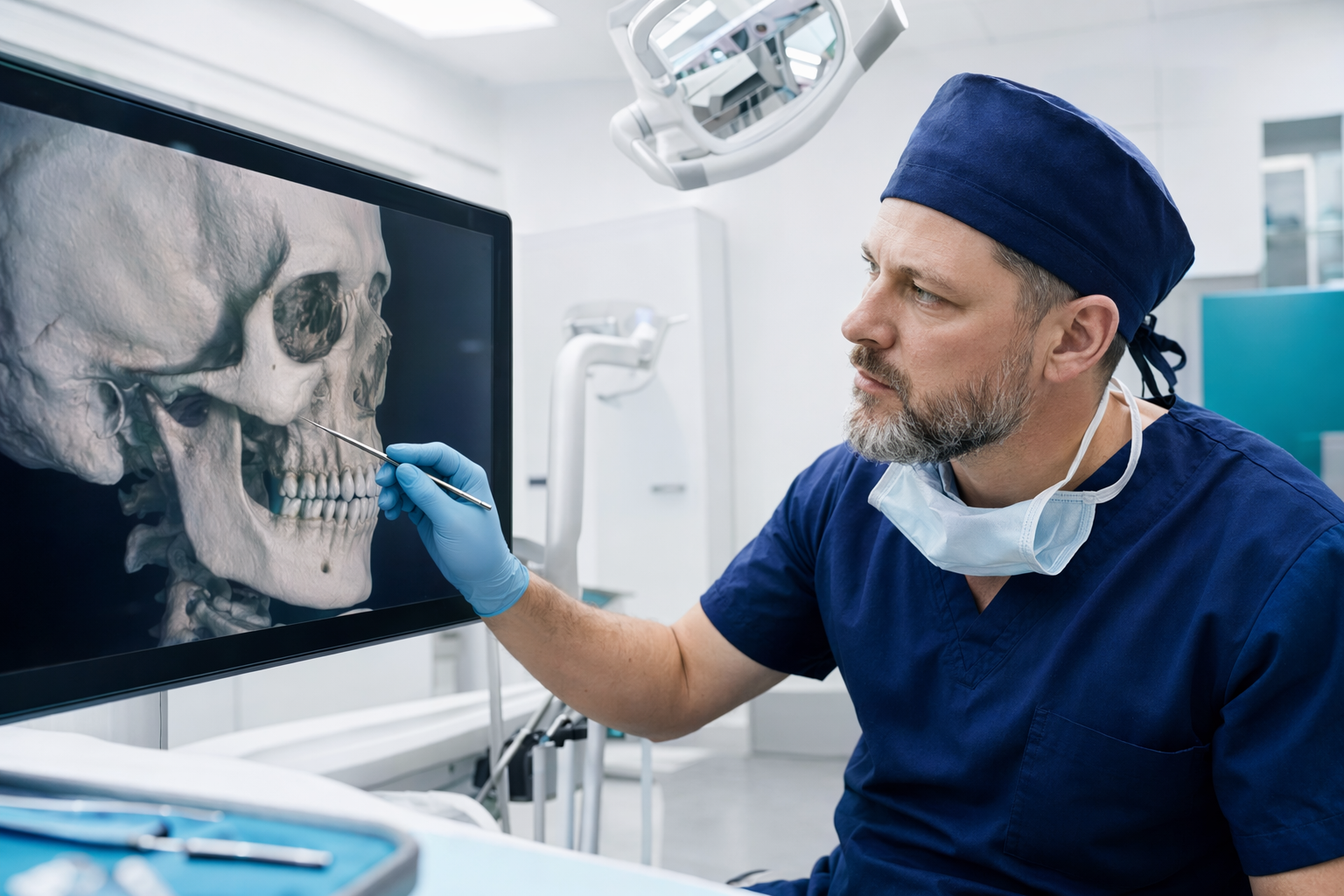
What facial trauma repair involves
Facial trauma repair is a broad term. It can include treatment for broken facial bones, displaced jaw segments, injured tooth-supporting bone, cuts to the lips or mouth, and injuries that affect how the teeth fit together. In many cases, the goal is to restore facial structure, protect function, and help the bite, breathing, speech, and appearance recover as much as possible.
The process usually starts with an exam and imaging. A board-certified oral and maxillofacial surgeon may review CT scans or X-rays, check how the upper and lower teeth meet, and look for swelling, bruising, numbness, limited mouth opening, or changes in vision. If the injury is urgent, timing matters. For heavy bleeding, trouble breathing or swallowing, or a serious facial injury, call your local emergency number first.
If surgery is recommended, the steps may include repositioning broken bone segments, securing them with small plates and screws, stabilizing the jaws so the bite can heal properly, and repairing cuts inside or outside the mouth. Some repairs are done through incisions inside the mouth to reduce visible scars. Others need small skin incisions, depending on the injury pattern.
Every case is different. Some injuries can be watched and rechecked. Others may need surgery soon. That decision is between the patient and a licensed surgeon after a full evaluation.
- Common areas treated include the jaw, cheekbone, eye socket, nose area, and tooth-bearing bone
- The exact procedure depends on the type, location, and severity of the injury
- A second opinion is reasonable if the situation is stable enough to allow one
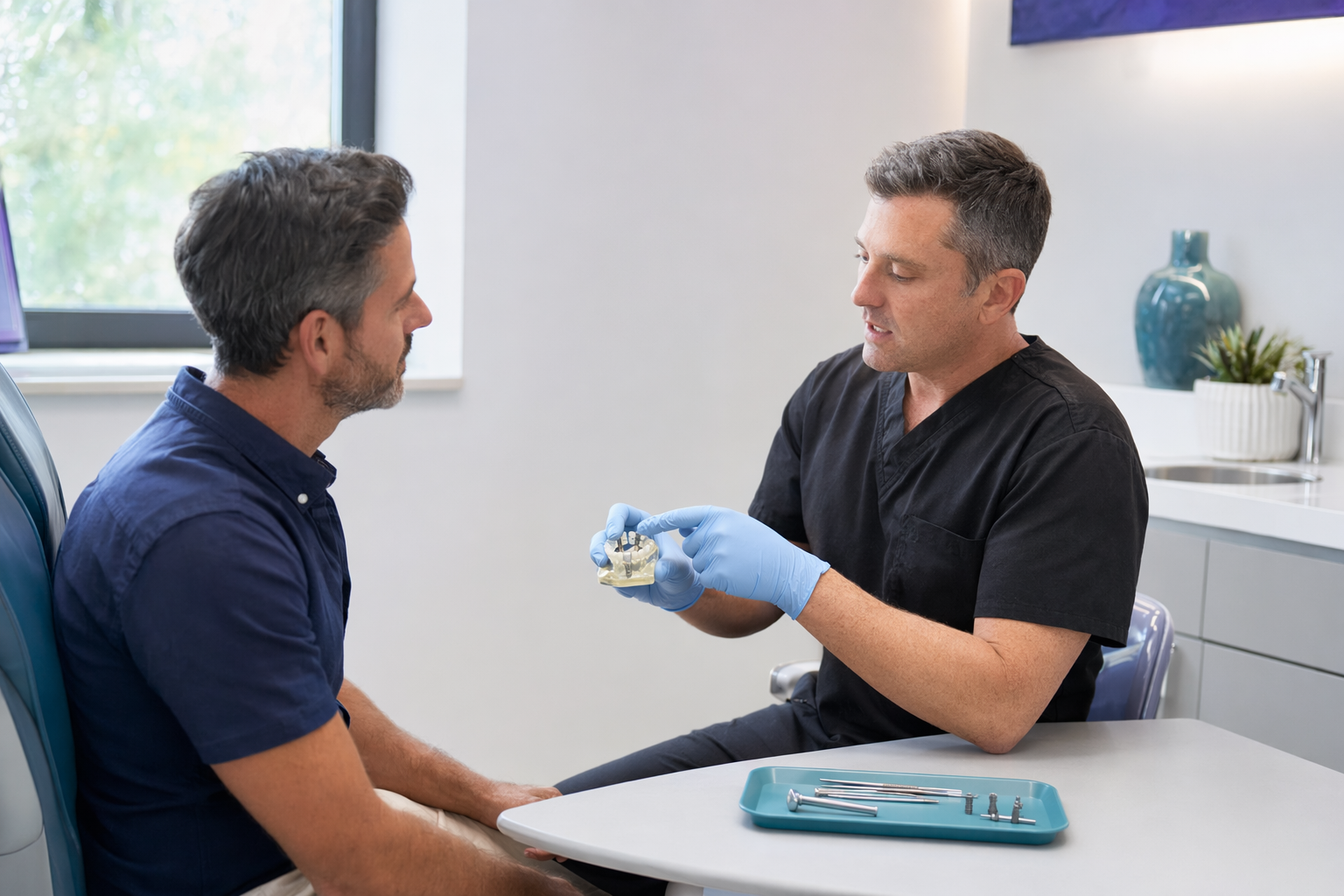
How oral surgeons repair facial injuries
Oral and maxillofacial surgeons are trained in surgery of the face, jaws, mouth, and related structures. In facial trauma cases, they often focus on restoring alignment and function. That may mean bringing fractured bone pieces back into position, fixing them in place with titanium hardware, and checking that the teeth meet correctly before the repair is finished.
For jaw fractures, a surgeon may use small plates and screws, special wires or elastics, or a combination of methods. For cheekbone or eye socket injuries, the surgeon may lift and reposition the bone and secure it so the face heals in a more normal shape. If there are damaged teeth or missing bone, treatment may happen in stages, with follow-up planning after the injury has started to heal.
Anesthesia depends on the procedure. Some repairs are done with local anesthesia and sedation. Others are done under deeper anesthesia in a hospital or surgery center. You can read more about general approaches in sedation options for oral surgery. The surgeon should explain why a certain setting and anesthesia plan may be appropriate for the case.
If you are comparing options, it is reasonable to ask whether the surgeon is board-certified in oral and maxillofacial surgery, where the procedure would take place, and what hardware or follow-up care may be involved. You can also browse other oral surgery procedures to understand how facial trauma repair fits within the wider specialty.
- Ask who will perform the surgery and who will provide anesthesia
- Ask whether any scars are expected and where incisions may be placed
- Ask how the bite will be checked and protected during healing
What the consultation is usually like
A consultation for facial trauma repair is usually focused and practical. The surgeon may review what happened, look at scans, examine the face and mouth, and explain the injury in plain language. They may describe what can sometimes heal without surgery, what may require repair, and what the risks and limits are with each path.
This visit is also the time to ask clear questions. You do not need to know medical terms. A good consultation should make the plan easier to understand, not more confusing. If English is not your first language, language support may be available, and our free matching service can help connect you with offices that may be able to assist in your preferred language. You can start here: get matched.
Useful questions include: What exactly is injured? What is the goal of surgery? What are the main risks? What kind of anesthesia may be used? How long might recovery take in a typical case? Will I need a soft-food diet, jaw elastics, or time off work? What follow-up visits are common?
Before scheduling, ask for the proposed plan and the full expected cost in writing. It is also reasonable to ask what is included, such as facility fees, imaging, anesthesia, hardware, and follow-up visits. A second opinion is always an option if the injury is stable enough to allow it.
- Choose a board-certified oral and maxillofacial surgeon and verify credentials yourself
- Ask for the treatment plan and full cost in writing before scheduling
- Bring a list of questions so you do not have to remember everything in the visit
Recovery: typical timeline and what to expect
Recovery after facial trauma repair depends on the injury, the procedure, and your overall health. In general, swelling and bruising are often worst in the first few days, then slowly improve. Soreness, limited mouth opening, and fatigue are also common early on. If the jaw or bite was involved, eating may be different for a while, and the surgeon may give detailed instructions about food texture and oral care.
Many people need at least several days of reduced activity after surgery, and sometimes longer for more complex fractures. Visible swelling often improves over 1 to 3 weeks, while deeper healing of the bone can take several weeks to a few months. Numbness, stiffness, or changes in sensation may last longer in some cases. These are typical timelines, not a promise. Everyone heals differently.
Follow-up visits matter. The surgeon may check the bite, look at incision healing, review any elastics or hardware care, and decide when normal activities can gradually resume. If there are restrictions on sports, lifting, work, or travel, ask for those in writing so the instructions are clear.
Call the surgeon's office if recovery does not seem to be going as explained, such as increasing swelling after early improvement, worsening pain, fever, a bad taste or drainage, trouble keeping liquids down, or a bite that suddenly feels very different. For heavy bleeding, trouble breathing or swallowing, or a serious new injury, call your local emergency number first.
- Early swelling and bruising are common
- Bone healing usually takes longer than skin healing
- Typical recovery ranges are not a guarantee for any one person
Cost of facial trauma repair
The cost of facial trauma repair in the US can vary widely. A simpler repair may be in the low thousands, while a complex fracture repair done in a hospital with anesthesia, imaging, and hardware can be much higher. As a broad educational range, some facial trauma surgeries may fall around $3,000 to $15,000+ in total, and severe multi-area injuries can exceed that. These are ranges, not quotes.
The real number depends on several things: which bones are injured, whether the procedure is done in an office, surgery center, or hospital, the type of anesthesia, the need for plates and screws, imaging costs, follow-up care, and where you live. Insurance may cover part of treatment in some injury cases, but coverage rules vary and out-of-pocket costs can still be significant.
When comparing offices, ask for an itemized estimate when possible. It may include the surgeon's fee, anesthesia fee, facility fee, imaging, and hardware. Ask what is separate and what is included. This makes it easier to compare options fairly. You can also review general pricing guides on our costs page.
Do not assume the lowest price is the best value. Experience, board certification, hospital access when needed, and a clear treatment plan matter. Confirm the expected cost and payment terms in writing before scheduling if the situation allows time for comparison.
- US range: often about $3,000 to $15,000+, depending on complexity
- Hospital-based care and complex fractures usually cost more
- Written estimates help you compare surgeons more clearly
Choosing a surgeon and using a free matching service
If you have been told you may need facial trauma repair, it helps to compare surgeons carefully when time allows. Look for a board-certified oral and maxillofacial surgeon and verify credentials yourself. Ask where the surgeon operates, whether they routinely treat facial fractures, how follow-up is handled, and what language support may be available.
Our role is educational and practical. Oral Surgery Path is not a surgical practice and does not provide treatment. We offer a free matching service that can help connect patients with participating oral surgeons. The service is free to the patient. You share contact details and basic interest only, not medical records, insurance numbers, or financial account information.
If you want help finding a surgeon, you can use get matched. You can then compare credentials, ask questions, and decide what feels right for you. The decision about whether surgery is needed, and what type, belongs to you and a licensed surgeon after a proper evaluation.
Even in stressful situations, it is okay to slow down enough to understand the plan if the injury is stable. Ask for explanations in plain language. Ask for the plan, risks, recovery expectations, and total cost in writing. If needed, get a second opinion.
- Matching is free to the patient
- You choose whether to contact a surgeon or schedule a consultation
- Verify board certification and treatment details yourself

What to expect with oral surgery
Most procedures follow this path. Your surgeon will confirm the details for your case.
- 1 Consultation & imaging
The surgeon examines you, reviews X-rays or a 3D scan, explains your options, and answers your questions. Ask about board certification, the plan, sedation, and the full cost before you agree to anything.
- 2 Choosing sedation
Many oral surgeries use local anesthesia, IV sedation, or general anesthesia depending on the case and your comfort. The surgeon explains the options, the risks, and how you'll feel during and after.
- 3 The procedure
On the day, the surgical team prepares you, confirms the plan, and performs the procedure. Most outpatient oral surgeries take from under an hour to a few hours depending on complexity.
- 4 Recovery & aftercare
You go home the same day with written aftercare instructions for swelling, pain, diet, and rest. The surgeon explains what's normal and exactly when to call if something isn't.
- 5 Follow-up
A follow-up visit checks healing and removes sutures if needed. For implants or jaw surgery, the full timeline can run weeks to months as the bone heals.
Facial trauma repair is surgery to fix injuries to the face and jaws, and the right plan, recovery, and cost depend on the exact injury, the surgeon, and where treatment is done.
Common questions
What kinds of injuries can an oral surgeon treat?
Oral and maxillofacial surgeons often treat fractures of the jaw, cheekbone, and tooth-bearing bone, as well as some eye socket injuries and cuts inside or around the mouth. The exact scope depends on the surgeon and the injury.
Is facial trauma repair always done right away?
Not always. Some injuries need urgent attention, while others may be evaluated and scheduled after swelling, imaging review, or other planning. Timing depends on the injury and should be discussed with the surgeon.
Will there be scars?
Sometimes. Some repairs can be done through incisions inside the mouth, while others may need small skin incisions. The surgeon can explain where incisions may be placed in a specific case.
How long does recovery usually take?
Early swelling and bruising often improve over 1 to 3 weeks, but bone healing can take several weeks to a few months. These are typical ranges, not a promise, and everyone heals differently.
How much does facial trauma repair cost?
Costs vary widely. A broad US range for some cases is about $3,000 to $15,000+, with severe or hospital-based repairs sometimes costing more. These are ranges, not quotes.
Can I get a second opinion?
Yes, if the situation is stable enough to allow it. A second opinion is reasonable, especially if you want to compare the treatment plan, surgeon credentials, anesthesia approach, and expected cost.