Procedures
Wisdom teeth removal: what to expect, recovery, and cost
Wisdom teeth removal is a common oral surgery that involves numbing the area, loosening or uncovering the tooth if needed, removing it, and then letting the site heal over time. This page explains the basic steps, typical recovery, and honest U.S. cost ranges so you can ask better questions during a surgical consultation.
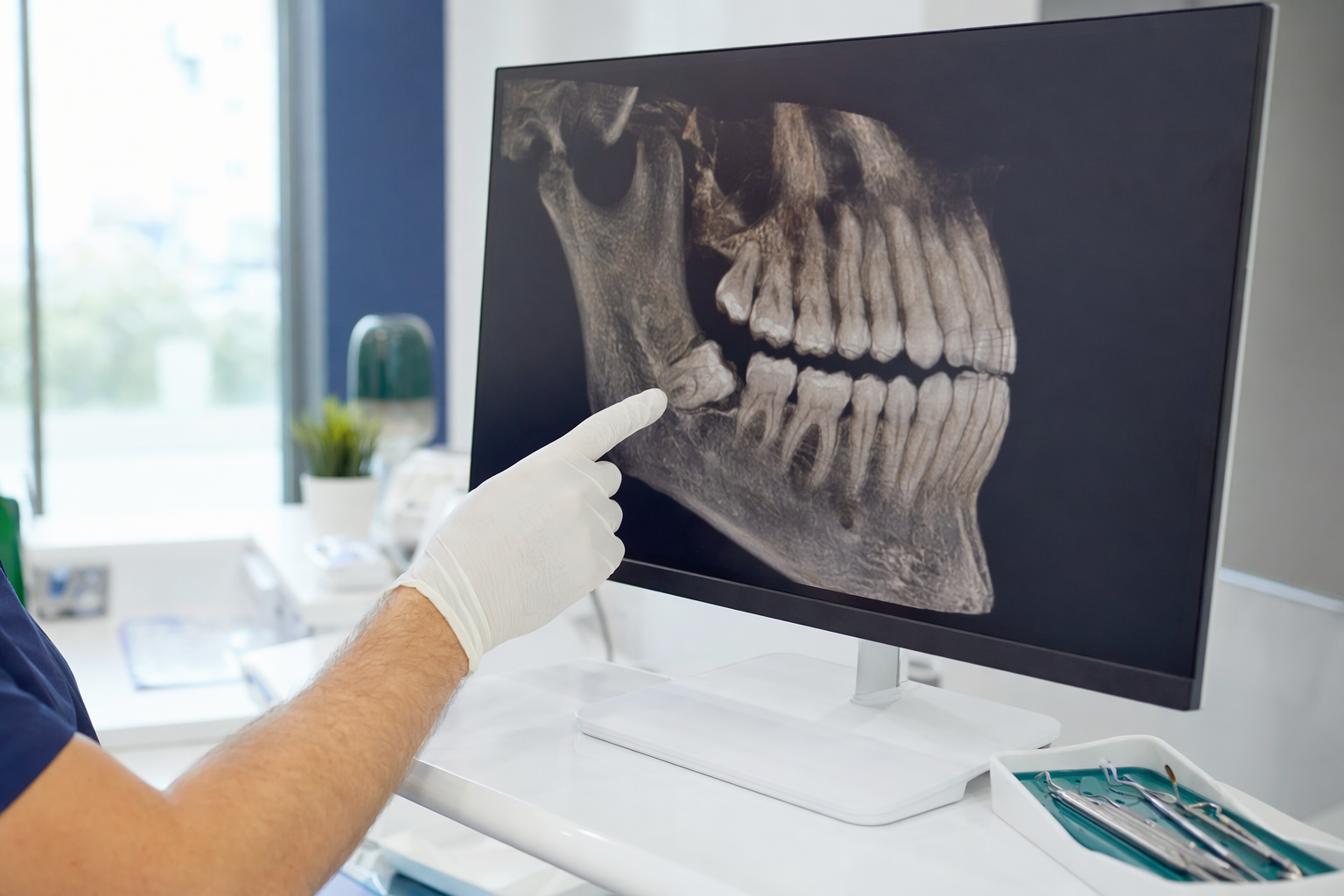
What wisdom teeth removal involves
Wisdom teeth are the last molars, usually in the back corners of the mouth. Some grow in normally. Others stay partly or fully under the gums, come in at an angle, or crowd nearby teeth. In those cases, an oral surgeon may recommend removing one, some, or all of them, depending on the situation.
In plain terms, the procedure usually follows a few steps. First, the surgeon reviews your exam and imaging and explains the plan. Then the area is numbed, and some patients also receive a form of sedation. If a tooth is fully erupted, it may be removed more simply. If it is impacted, the surgeon may need to open the gum and sometimes remove a small amount of bone around the tooth. The tooth may be taken out in one piece or divided into sections to make removal easier.
After the tooth is removed, the area is cleaned and may be closed with stitches. Gauze is usually placed to help control bleeding at the start. The exact approach depends on the position of the tooth, the roots, the nearby nerve and sinus anatomy, and whether one tooth or several teeth are being removed at the same visit.
This page is general education only. It cannot tell you whether you personally need surgery. That decision is between you and a licensed, board-certified oral and maxillofacial surgeon. If you want an overview of other procedures too, see /procedures/.
- Some wisdom teeth are fully erupted. Others are partially or fully impacted.
- Removal may involve just the tooth, or the gum and a small amount of bone too.
- One visit may involve 1, 2, 3, or 4 wisdom teeth.

Why a surgeon may suggest it, and why timing varies
People are often referred for wisdom teeth removal because of pain, swelling, repeated gum irritation around a partially erupted tooth, tooth decay, trapped food, pressure on nearby teeth, or concerns seen on an X-ray. Sometimes the issue is current symptoms. Sometimes it is a problem that a dentist or surgeon believes could become harder to treat later.
That does not mean every wisdom tooth must come out. Some are monitored over time. Others are removed because of their position, the condition of the surrounding gum or bone, or the risk of damage to the tooth next to them. The best timing can vary based on age, root development, access, health history, and the surgeon's judgment.
It is reasonable to ask why removal is being suggested now, what the alternatives are, and what could happen if you wait. A second opinion is also reasonable, especially if the plan is unclear to you. You are the decision-maker. A good consultation should help you understand the reason for the recommendation in plain language.
- Ask what problem the surgeon is trying to prevent or treat.
- Ask whether all wisdom teeth need the same plan.
- Ask what may change if treatment is delayed.
Consultation, imaging, and sedation options
At the consultation, the surgeon typically reviews your symptoms, examines your mouth, and looks at imaging. Panoramic X-rays are common. In some situations, additional imaging may be discussed if the roots appear close to important structures such as a nerve canal or the sinus. The surgeon should explain the findings, the expected difficulty of the removal, and the main risks and benefits in general terms.
Sedation is another important part of the conversation. Some patients have local anesthesia only. Others have nitrous oxide, oral sedation, or IV sedation, depending on the case and the practice. The right setup depends on the procedure, the surgeon's recommendation, and what is appropriate for the patient. You can read a simple overview here: /guides/sedation-options-for-oral-surgery/.
You should feel comfortable asking direct questions. Is the surgeon board-certified in oral and maxillofacial surgery? How often do they perform wisdom tooth removal? What kind of anesthesia or sedation is offered in the office? What fees are separate from the surgery fee? What is the expected follow-up plan? It is smart to verify board certification yourself and get the treatment plan and full cost in writing before you schedule.
- Board certification matters. Verify credentials yourself.
- Ask whether the quoted fee includes imaging, sedation, and follow-up.
- A written plan helps you compare offices clearly.
What recovery is usually like
Recovery after wisdom teeth removal is often measured in days, then weeks. Many people have the most swelling and soreness in the first 2 to 3 days. Jaw stiffness can also be common at the beginning. Some bleeding or oozing right after the procedure is common. Bruising can happen too. Typical recovery is not a promise, and everyone heals differently.
Many patients can return to light routine activity within a few days, while a harder recovery can take longer, especially when teeth are deeply impacted or several are removed at once. The gum tissue usually improves steadily in the first 1 to 2 weeks. Deeper bone healing takes longer. If stitches are used, they may dissolve on their own or be removed at a follow-up, depending on the type.
Your surgeon's aftercare instructions matter because each case is different. The office should explain what is normal, what medicines or mouth care may be part of recovery, when you can return to school or work, and how to handle eating, drinking, and activity. If something is unclear, ask before the procedure day.
Call the surgeon's office if you have concerning symptoms after surgery, such as worsening pain after initial improvement, fever, bad taste or odor that does not improve, swelling that keeps getting worse, or bleeding that does not settle as instructed. For heavy bleeding, trouble breathing or swallowing, or a serious facial injury, call your local emergency number first.
- Typical early issues: soreness, swelling, stiffness, mild oozing.
- Typical timelines vary by difficulty and number of teeth removed.
- Follow the surgeon's instructions for your specific case.
Possible risks and questions worth asking
Like any surgery, wisdom teeth removal has risks. General examples can include pain, swelling, bleeding, infection, delayed healing, dry socket, injury to nearby teeth or fillings, sinus communication for some upper teeth, and temporary or sometimes longer-lasting numbness related to a nearby nerve for some lower teeth. The chance of a complication depends on the anatomy, the tooth position, the difficulty of removal, and other factors the surgeon evaluates.
A clear consultation should include discussion of the main risks that apply to your case, what warning signs to watch for afterward, and what follow-up support is available if a problem happens. This is one reason many people prefer a board-certified OMS for surgical planning and sedation discussions.
Helpful questions include: What are the main risks in my case? How close are the roots to the nerve or sinus? What type of sedation is planned, and who monitors it? What should I expect the first 48 hours? When should I call the office? What costs are included, and what could be billed separately? If you do not feel rushed, and the answers are understandable, that is a good sign.
- Ask about nerve and sinus proximity when relevant.
- Ask who provides and monitors sedation.
- Ask what happens if follow-up care is needed.
How much wisdom teeth removal costs
The cost of wisdom teeth removal in the U.S. varies a lot. A simple extraction of an erupted wisdom tooth may be a few hundred dollars per tooth. A surgical extraction of an impacted tooth can be much more. In broad terms, many patients see ranges like about $200 to $600 per erupted tooth and about $400 to $1,200 or more per impacted tooth. Sedation, imaging, medications, pathology in rare cases, and follow-up needs can change the total.
If several wisdom teeth are removed in one visit, the total bill can range from the low thousands to several thousand dollars, depending on difficulty and sedation type. Insurance may cover part of the cost in some cases, but benefits, deductibles, waiting periods, and in-network status vary. These are ranges, not quotes. The real number depends on the case, the surgeon, the anesthesia plan, your location, and your coverage. For a broader breakdown, see /costs/.
Before scheduling, ask for the full expected price in writing. Ask what is included and what is not. Specifically ask about the consultation fee, imaging, sedation or anesthesia fees, the surgeon's fee, facility or office fees, prescriptions, and follow-up visits. A second opinion can help if prices are very different and the reason is not clear.
If you want help finding practices to compare, /get-matched/ is a free service for patients. You can ask for options, compare board-certified surgeons, and see whether language help is available in your preferred language. Matching is free to the patient.
- Typical prices depend on eruption status, impaction, and sedation.
- Ranges are not quotes.
- Get the complete plan and full cost in writing before booking.

What to expect with oral surgery
Most procedures follow this path. Your surgeon will confirm the details for your case.
- 1 Consultation & imaging
The surgeon examines you, reviews X-rays or a 3D scan, explains your options, and answers your questions. Ask about board certification, the plan, sedation, and the full cost before you agree to anything.
- 2 Choosing sedation
Many oral surgeries use local anesthesia, IV sedation, or general anesthesia depending on the case and your comfort. The surgeon explains the options, the risks, and how you'll feel during and after.
- 3 The procedure
On the day, the surgical team prepares you, confirms the plan, and performs the procedure. Most outpatient oral surgeries take from under an hour to a few hours depending on complexity.
- 4 Recovery & aftercare
You go home the same day with written aftercare instructions for swelling, pain, diet, and rest. The surgeon explains what's normal and exactly when to call if something isn't.
- 5 Follow-up
A follow-up visit checks healing and removes sutures if needed. For implants or jaw surgery, the full timeline can run weeks to months as the bone heals.
Wisdom teeth removal can be simple or more involved, recovery usually takes days to weeks, and the best next step is to talk with a board-certified oral surgeon, compare written plans and prices, and ask questions until the plan makes sense.
Common questions
Are wisdom teeth always removed?
No. Some are monitored, and some are removed. That decision depends on the tooth position, symptoms, imaging, and the surgeon's judgment.
How long does wisdom teeth removal take?
Procedure time varies. A simpler case may be fairly quick, while multiple impacted teeth can take longer. The surgeon can explain the expected timing for your case.
Will I be asleep for the procedure?
Not always. Some patients have local anesthesia only, while others have nitrous oxide, oral sedation, or IV sedation. The options depend on the office and the case.
How long is recovery?
Many people feel the most swelling and soreness in the first few days, with noticeable improvement over 1 to 2 weeks. That is typical, not a promise.
What is dry socket?
Dry socket is a painful healing complication that can happen after a tooth removal. Your surgeon should explain warning signs and what to do if symptoms concern you.
How much does wisdom teeth removal cost without insurance?
It varies widely. A simple erupted tooth may be a few hundred dollars, while an impacted surgical extraction can be much more. Sedation and location also affect the total.
Can I get a second opinion?
Yes. A second opinion is reasonable if you want another review of the plan, the risks, or the cost.
Does Oral Surgery Path provide surgery?
No. Oral Surgery Path is an education and free matching service. It is not a dental or medical practice and does not provide treatment.