Quick answers
Can I drive after oral surgery?
Driving after oral surgery depends mostly on what kind of anesthesia or sedation you had, how alert you feel, and what your surgeon's office tells you. In general, many people should plan not to drive themselves home after surgery, especially if they had IV sedation, general anesthesia, or feel sleepy, dizzy, or distracted by pain.

What "oral surgery" usually involves
Oral surgery is a broad term. It can include wisdom teeth removal, surgical tooth extraction, dental implant placement, bone grafting, and other procedures involving the mouth, jaws, or face. A typical visit may include a consultation, imaging, a discussion of anesthesia or sedation options, the procedure itself, and written recovery instructions.
For many people, the question about driving comes up before the procedure even starts. That is because the safest plan often depends less on the surgery name and more on how the procedure is done. Local numbing medicine is different from nitrous oxide, IV sedation, or general anesthesia. Your alertness after the appointment may also be affected by pain medicine, swelling, bleeding, stress, or simple fatigue.
This page is general education only. Whether driving is appropriate in your case is a decision between you and a licensed board-certified oral and maxillofacial surgeon. If you are still comparing specialists, free matching may help you find a board-certified surgeon in your area.
- Different procedures can have different recovery needs
- Sedation type often matters as much as the procedure itself
- Written instructions from the surgeon's office should guide the final plan
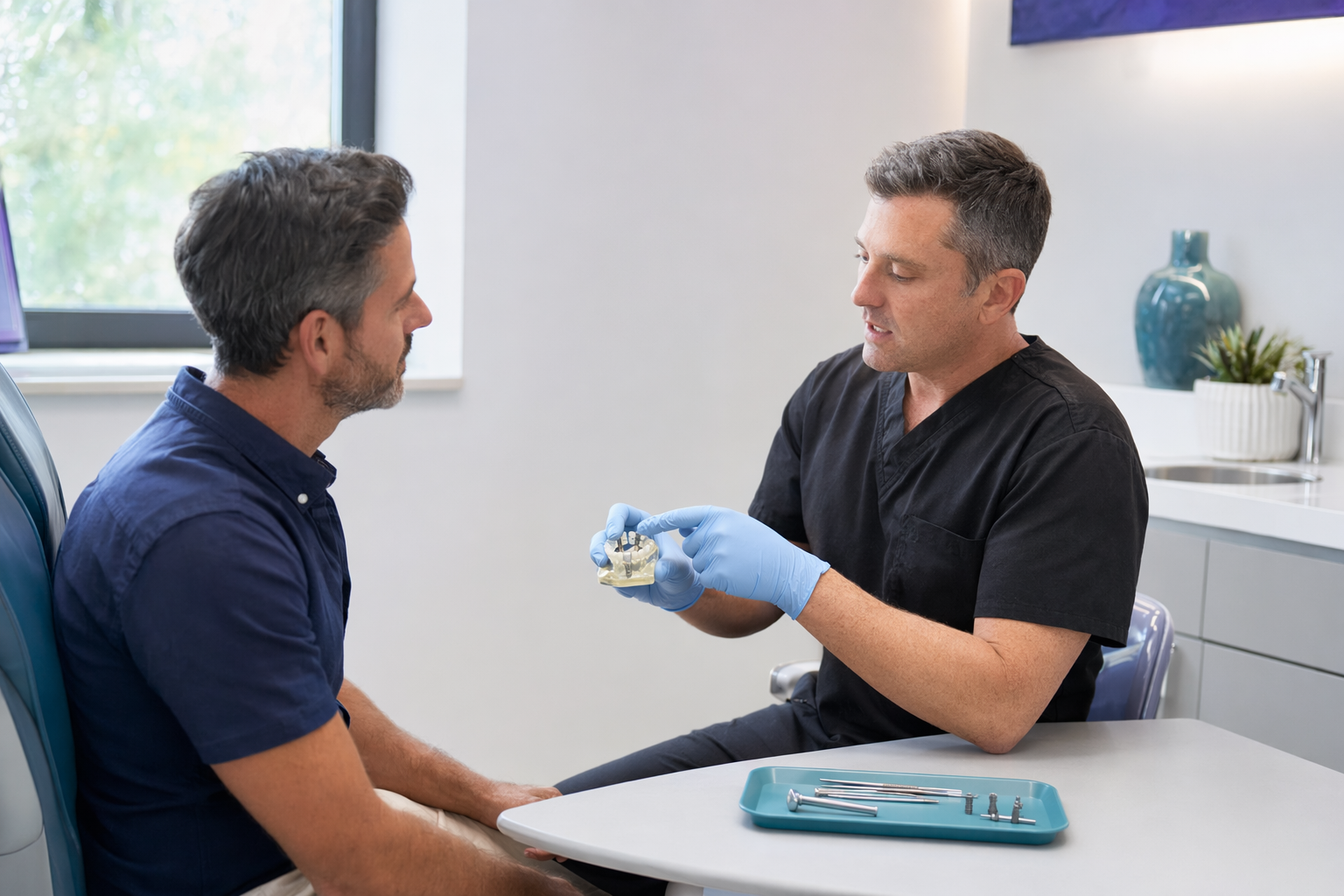
When many people should not drive
In many cases, people are told not to drive after IV sedation or general anesthesia. That is because these medicines can affect judgment, reaction time, balance, and memory for hours. Even if you feel "mostly fine," your reflexes may not be normal yet.
Many offices also tell patients not to drive if they took prescription pain medicine, anti-anxiety medicine, or any medication that causes drowsiness. Some people also feel lightheaded from not eating much, being nervous, or having gauze in the mouth. That can make driving unsafe.
If a procedure was done with local anesthetic only, some people may be able to drive later, but policies vary by surgeon and by case. Numbness, jaw soreness, bleeding, and stress can still make driving difficult. The safest approach is usually to ask the office in advance and arrange a ride if there is any doubt.
If there is heavy bleeding, trouble breathing or swallowing, or a serious facial injury, call your local emergency number first.
- IV sedation and general anesthesia often mean no driving the same day
- Prescription pain medicine can also make driving unsafe
- If you are unsure, plan for a ride before the appointment
Typical recovery timing and what is often normal
Recovery after oral surgery is usually measured in hours for alertness and days for soreness and swelling, but everyone heals differently. Many people feel groggy for several hours after sedation. Swelling and discomfort often peak in the first 2 to 3 days after procedures such as extractions or wisdom teeth removal, then gradually improve. That is a typical pattern, not a promise.
What is often considered normal can include numbness for a while after local anesthetic, mild oozing, tiredness, and difficulty opening the mouth fully for a short time. Some people feel ready to return to normal routines quickly. Others need more time, especially after longer or more complex surgery.
You should know in advance when to contact the surgeon's office. Many practices want to hear from patients if there is worsening pain, fever, uncontrolled bleeding, increasing swelling after the expected window, vomiting that does not stop, or problems with medications. A surgeon's own instructions should always come first.
If you want more general help understanding recovery questions, the help center has plain-language guides. A second opinion is also reasonable if a proposed plan feels unclear or rushed.
- Typical recovery timelines are estimates, not guarantees
- Grogginess after sedation may last hours
- Swelling and soreness often improve over several days
Questions to ask before the appointment
A good consultation should make the transportation plan clear. You can ask who will perform the procedure, whether the surgeon is board-certified in oral and maxillofacial surgery, what sedation options are offered, what the main risks are, and whether you will need an adult to drive you home or stay with you afterward.
It is also reasonable to ask exactly when the office expects most patients to drive again after that type of surgery and sedation. The answer may depend on the procedure, the medicines used, and your response that day. The key is to get the plan in writing before scheduling, along with the expected follow-up instructions.
You are the decision-maker. Compare surgeons. Verify board certification yourself. Ask if language help is available if English is not your first language. Many offices can provide translated materials or interpreter support.
If you are early in the process, get matched with a board-certified oral surgeon for free. The service is free to patients, and you can still choose to seek a second opinion before moving forward.
- Ask about board certification and verify credentials yourself
- Ask which sedation option is planned and why
- Ask whether you need a driver and how long driving restrictions may last
Costs, transportation planning, and getting the details in writing
The cost of oral surgery in the US varies widely. The final number depends on the procedure, how complex it is, the sedation type, imaging, follow-up care, your location, and insurance benefits. If a ride is required, transportation and time off work can also add to the real-life cost.
As general examples, simple extractions may cost a few hundred dollars per tooth, while impacted wisdom teeth removal, implant surgery, or bone grafting can cost much more. Sedation may be billed separately in some offices. These are ranges, not quotes. For broader US price ranges, see costs.
Before you schedule, ask for the treatment plan and the full expected cost in writing. Ask what is included, what may cost extra, and what happens if the plan changes during surgery. This helps you compare offices fairly and avoid surprises.
The most practical takeaway is simple: if there is any chance you will be sedated, groggy, or taking medicine that affects alertness, arrange a ride ahead of time and confirm the office policy. A board-certified oral and maxillofacial surgeon can explain what is typical for your procedure, but no webpage should replace that conversation.
- US prices are ranges, not quotes
- Sedation, imaging, and follow-up may affect the total price
- Get the plan and full expected cost in writing before scheduling
Most people should plan not to drive after oral surgery if they had sedation, anesthesia, or feel drowsy, and the safest next step is to confirm the written plan with a board-certified oral surgeon before scheduling.
Common questions
Can I drive myself home after oral surgery?
Many people should not drive themselves home, especially after IV sedation or general anesthesia. The surgeon's office should tell you their policy before the procedure.
If I only had local anesthetic, can I drive?
Sometimes people may be able to drive after local anesthetic only, but it depends on the procedure, office policy, and how they feel. It is best to confirm in advance.
How long should I wait before driving again?
There is no one rule for everyone. Timing often depends on the anesthesia or sedation used, whether you are taking drowsy-making medicine, and how alert you feel. Follow the surgeon's written instructions.
Do pain medicines affect driving?
Yes, many prescription pain medicines and anti-anxiety medicines can impair alertness and reaction time. That is one reason many offices advise against driving after surgery.
Should I ask for the cost and plan in writing?
Yes. It is smart to ask for the proposed treatment plan and full expected cost in writing before scheduling. That makes it easier to compare surgeons and ask informed questions.
Can I get help in my own language?
Often, yes. Many offices can offer translated materials or interpreter support. You can ask about language help when booking a consultation.