Quick answers
What can I eat after oral surgery?
After oral surgery, eating usually changes for a short time because your mouth needs time to heal. In general, surgeons often suggest starting with cool or lukewarm soft foods, then slowly adding more texture as healing improves, but your own instructions should come from your surgeon.

What “eating after oral surgery” usually means
Oral surgery can include wisdom tooth removal, a surgical extraction, dental implant placement, bone grafting, or other procedures in the mouth or jaw. The basic steps are often similar: the surgeon treats the area, controls bleeding, and gives written recovery instructions for eating, drinking, cleaning, and activity.
Right after surgery, the goal is usually to protect the surgical site while you stay hydrated and get enough calories. That is why many people are told to begin with foods that do not require much chewing and are less likely to disturb the area.
This is general education only. The exact food timeline depends on the procedure, the size of the surgical site, whether stitches were placed, the type of sedation used, and how you heal. A board-certified oral and maxillofacial surgeon can explain what is appropriate for your case.
- Start with your surgeon's written instructions first
- Healing is individual, so timelines are typical, not a promise
- A second opinion is always reasonable if the plan is unclear
Foods people often choose in the first day or two
In many cases, people do best with soft, smooth foods at first. Common examples include yogurt, applesauce, pudding, mashed potatoes, oatmeal once it is not too hot, blended soups served lukewarm, scrambled eggs, cottage cheese, smoothies eaten with a spoon, and protein shakes if approved by the surgeon.
Cool or lukewarm foods are often easier than very hot foods right away. Many surgeons also tell patients to avoid hard, crunchy, sharp, spicy, or very chewy foods at the beginning because those foods may irritate the area or be harder to manage while numbness, soreness, or swelling is present.
As the mouth feels better, many people gradually move to soft pasta, soft rice, flaky fish, tender cooked vegetables, pancakes, or other easy-to-chew foods. The pace varies. Some procedures involve a shorter soft-food period, while others may require more caution for longer.
If you want a broader overview of recovery topics, the guides in our help center can make it easier to prepare questions before your consultation.
- Often easier: yogurt, applesauce, eggs, mashed potatoes, lukewarm soup
- Often avoided early: chips, nuts, crusty bread, popcorn, spicy foods
- Advance texture slowly, based on the surgeon's instructions
What recovery may feel like, and when to check in
After oral surgery, mild bleeding or oozing, swelling, jaw stiffness, and soreness are common topics surgeons discuss with patients. Typical recovery is often measured in days to a few weeks depending on the procedure, but everyone heals differently. Some people feel ready for more normal foods sooner. Others need more time.
Many patients are told to focus on fluids first, then soft foods, then regular foods as tolerated. It is also common to receive instructions about avoiding certain actions that could disturb healing, such as vigorous rinsing early on or using a straw after some procedures. Your surgeon decides what applies to your case.
Call the surgeon's office if your written instructions tell you to report certain symptoms, or if something seems to be getting worse instead of better. For heavy bleeding, trouble breathing or swallowing, or a serious facial injury, call your local emergency number first.
- Typical recovery ranges vary by procedure and person
- Follow the surgeon's rules about drinking, rinsing, and chewing
- Emergency symptoms come first: call emergency services if severe
Questions to ask before surgery about food, sedation, and the plan
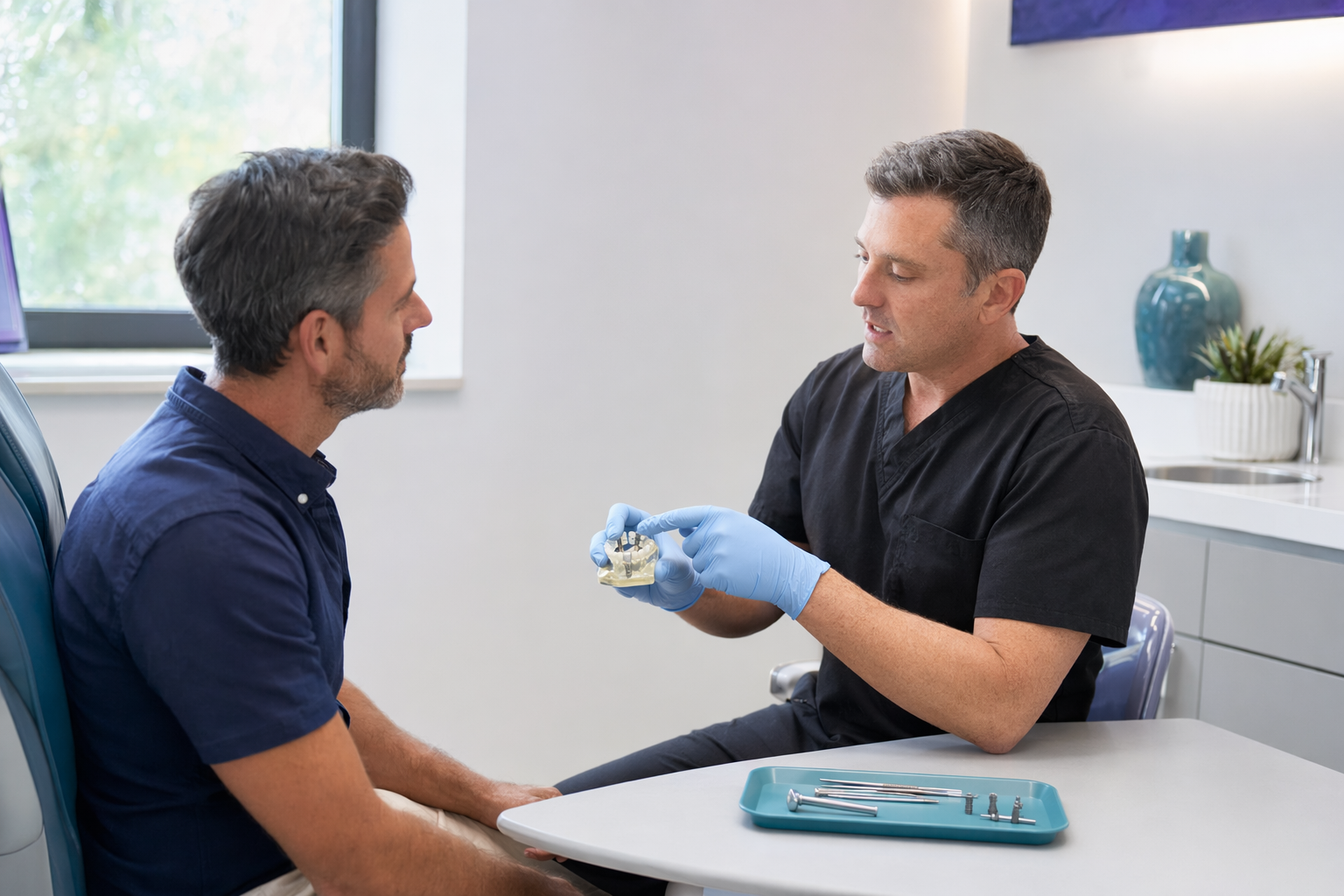
A consultation is the best time to ask exactly what you will be able to eat, when you can return to normal meals, and what signs should prompt a call to the office. It is reasonable to ask for the plan in simple language, especially if English is not your first language. Many offices can help in other languages or use interpreter support.
You can also ask about sedation options, what type is being offered, how long numbness may last, and what restrictions may apply after the procedure. Ask the surgeon to explain the main risks and the expected recovery in plain terms. This page is not a substitute for that conversation.
It is smart to choose a board-certified oral and maxillofacial surgeon and verify credentials yourself. You can also get a second opinion. Before scheduling, ask for the treatment plan and full expected cost in writing, including any separate fees that may apply.
- Ask when you can move from liquids to soft foods to regular foods
- Ask about sedation options, recovery limits, and common risks
- Verify board certification and get the plan and cost in writing
Cost basics and how to compare surgeons
The food itself is usually a small part of the total picture. The bigger costs are the procedure, imaging, facility charges if any, and sedation or anesthesia. US prices vary widely by case, location, and insurance. These are ranges, not quotes.
For example, a surgical tooth extraction may fall in the low hundreds per tooth, while wisdom tooth surgery, implants, or bone grafting can be much higher. Sedation can also change the total. Your real number depends on the complexity of the case, the sedation type, your area, and insurance benefits if you have them. You can read more about typical ranges on our costs page.
When comparing offices, do not focus on price alone. Compare the surgeon's board certification, experience with your type of procedure, what follow-up care is included, and whether the plan is clearly explained. If you want help finding a surgeon, our free matching service can help you connect with board-certified OMS offices. The service is free to patients, and you only share contact details and basic interest information.
- US price ranges are estimates, not quotes
- Sedation type, case difficulty, and location can change the total
- Compare credentials, written plans, follow-up, and communication
After oral surgery, many people start with cool or lukewarm soft foods and slowly return to normal eating, but the safest timeline and instructions should come from a board-certified oral surgeon who knows the exact procedure.
Common questions
Can I eat the same day after oral surgery?
In many cases, people are able to have liquids and soft foods the same day, but the exact timing depends on the procedure, sedation, and the surgeon's instructions.
What foods are usually avoided at first?
Many surgeons tell patients to avoid hard, crunchy, sharp, very hot, spicy, or chewy foods early in recovery because they may irritate the surgical area.
How long do I need soft foods?
It varies. Some people need only a short soft-food period, while others need longer depending on the procedure and how healing progresses.
Are smoothies always okay?
Some patients use smoothies, but the details matter. Your surgeon may give specific instructions about straws, temperature, and ingredients after certain procedures.
Should I get a second opinion before surgery?
Yes. A second opinion is a reasonable choice if you want another explanation of the diagnosis, surgical plan, sedation options, recovery, or cost.
How do I find the right surgeon?
Look for a board-certified oral and maxillofacial surgeon, verify credentials yourself, ask questions in plain language, and get the treatment plan and full expected cost in writing before scheduling.