Quick answers
How much does a surgical tooth extraction cost?
A surgical tooth extraction is more complex than a simple pull. It often means the surgeon needs to numb the area, gently open the gum, possibly remove a little bone or divide the tooth, and then remove it in sections before cleaning the site and closing it if needed.
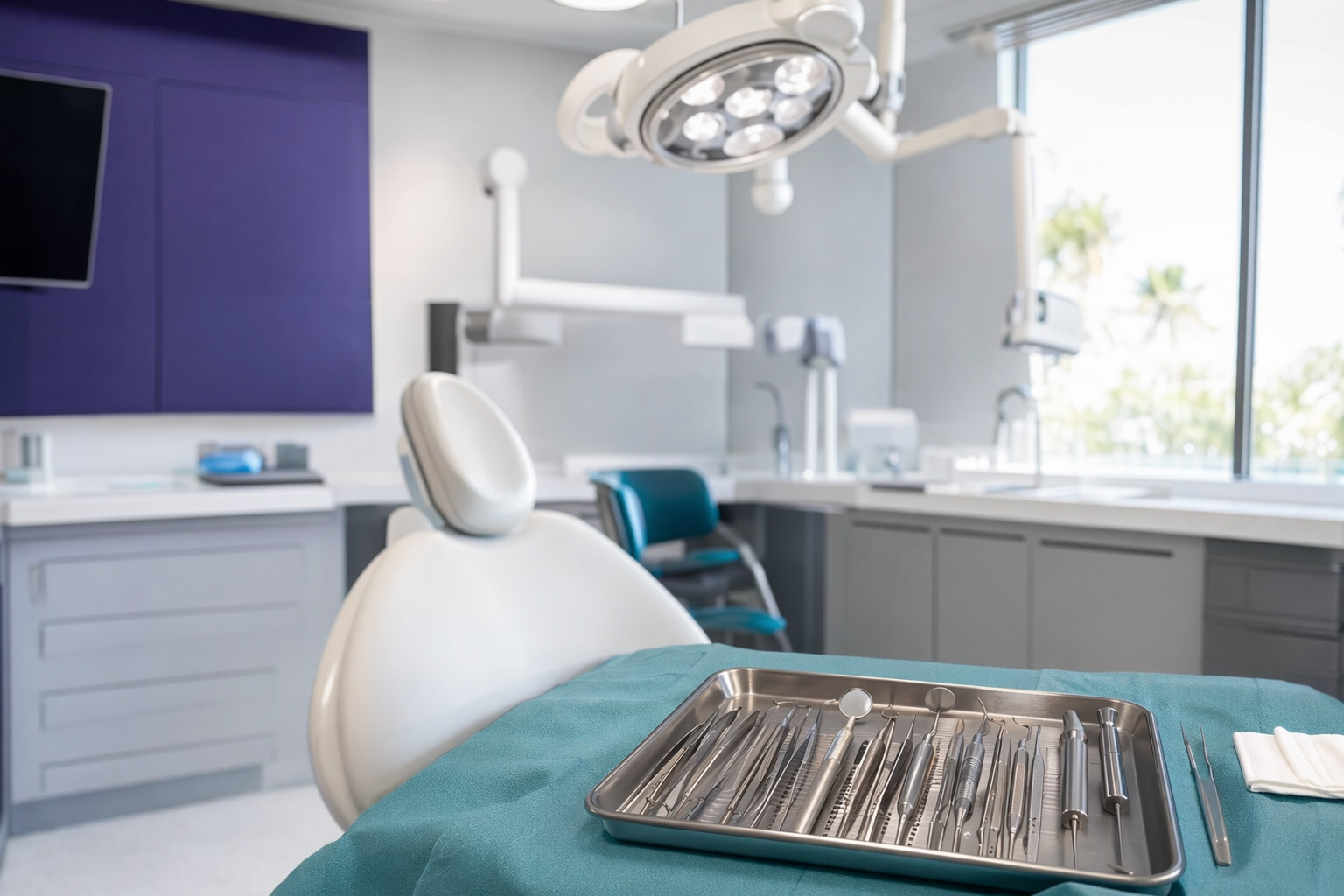
What a surgical tooth extraction usually involves
People often hear "extraction" and think every tooth removal is the same. It is not. A surgical tooth extraction usually means the tooth is broken, stuck below the gum, hard to reach, or shaped in a way that makes a routine removal harder.
In many cases, the visit starts with an exam and imaging. The oral surgeon explains the tooth position, the surgical plan, and the anesthesia or sedation options. Then the area is numbed. If needed, the surgeon may make a small opening in the gum, remove a small amount of bone, or divide the tooth into smaller pieces so it can come out more safely.
After the tooth is removed, the area is cleaned. Sometimes stitches are placed. Before you schedule, it is reasonable to ask for the plan, the expected recovery, and the full written cost. If you are still comparing options, help is available and a second opinion is always reasonable.
- Surgical extraction is different from a simple extraction
- The final plan depends on the tooth position and difficulty
- An oral and maxillofacial surgeon may discuss local anesthesia, sedation, or general anesthesia

Typical US cost range
In the United States, a surgical tooth extraction often costs about $250 to $900 per tooth when local anesthesia is used. If the case is more difficult, the fee can be higher. If sedation or general anesthesia is added, the total can rise by several hundred dollars or more depending on the time involved and the setting.
A broad real-world total for one surgical extraction is often about $400 to $1,500+, especially when imaging, consultation fees, sedation, and follow-up needs are included. These are ranges, not quotes. The actual number depends on the case, the surgeon's training, your area, and what is included in the fee.
If several teeth are removed in one visit, the price may be listed per tooth plus separate charges for sedation, facility use, or imaging. Some offices bundle certain items and some do not. That is why it helps to compare written estimates and review a plain-language cost breakdown. You can also read more about oral surgery costs.
- $250 to $900 per tooth is a common surgical-extraction range with local anesthesia
- Sedation or general anesthesia usually adds cost
- Ranges are not quotes and vary by city, complexity, and what is included
What changes the price
The biggest cost factor is usually difficulty. A tooth that is deeply broken, trapped under the gum, close to important structures, or surrounded by dense bone may take more time and planning. Imaging can also affect cost. Some cases only need standard dental X-rays. Others may need more detailed 3D imaging.
Sedation also matters. Some people have the procedure with local anesthesia only. Others discuss nitrous oxide, IV sedation, or general anesthesia with the surgeon. Different sedation methods have different fees, and not every option is appropriate for every case. A board-certified oral and maxillofacial surgeon can explain what may be offered, along with the risks, limits, and expected monitoring.
Insurance can lower out-of-pocket cost, but coverage rules vary. Plans may have waiting periods, annual maximums, deductibles, or limits on anesthesia coverage. Your location also matters. Fees in large metro areas are often higher than fees in smaller cities. Before scheduling, ask for the total in writing and verify exactly what is included.
- Complexity of the tooth and surrounding bone
- Type of imaging used
- Sedation choice and length of the procedure
- Insurance rules and local prices
Recovery and time off: honest expectations
Recovery after a surgical extraction is usually measured in days to a couple of weeks, but healing varies. Many people have the most swelling and soreness in the first 2 to 3 days. It is also common to need softer foods for a short time. Some return to desk work or school within 1 to 3 days, while more physical jobs may take longer. These are typical time frames, not a promise.
The extraction site itself continues healing after the first few days. Mild jaw stiffness, tenderness, and gradual improvement can be normal in many cases. The surgeon's written aftercare instructions matter because the details can differ by tooth, difficulty, and whether stitches were used.
General warning signs can include symptoms that seem to be getting worse instead of better, fever, a bad taste or odor that does not improve, heavy bleeding, or severe swelling. Questions about what is normal after your procedure should go back to your surgeon's office. For heavy bleeding, trouble breathing or swallowing, or a serious facial injury, call your local emergency number first.
- Many people feel the most swelling and soreness in the first 48 to 72 hours
- Typical recovery varies by person and procedure difficulty
- Your surgeon's instructions should guide your aftercare
How to compare surgeons and get a written plan
If you are deciding where to go, try to compare more than price alone. Look for a board-certified oral and maxillofacial surgeon and verify credentials yourself. Ask who will perform the procedure, what sedation options are offered, what experience the practice has with surgical extractions, and what follow-up care is included.
It is also reasonable to ask plain questions during a consultation: What exactly makes this extraction surgical? What is included in the quoted fee? Are imaging, sedation, pathology, or follow-up visits separate? What are the common risks and the alternatives? Can I get the treatment plan and full estimated cost in writing before I schedule?
If English is not your first language, ask whether language help is available. Many people feel more comfortable when they can discuss the plan in their own language. If you want help finding a board-certified surgeon to compare, get matched for free. Oral Surgery Path is an education and matching service, not a clinic, and the matching service is always free to patients.
- Verify board certification yourself
- Ask for the full plan and total estimated cost in writing
- A second opinion is reasonable
- Language help may be available
A surgical tooth extraction usually costs more than a simple removal, and the real price depends on how hard the case is, the sedation used, insurance, and where you live, so compare board-certified surgeons and get the plan and full cost in writing.
Common questions
How much does one surgical tooth extraction usually cost?
A common US range is about $250 to $900 per tooth with local anesthesia, but the full total may be about $400 to $1,500+ when imaging, sedation, and other fees are included. These are ranges, not quotes.
Why is a surgical extraction more expensive than a simple extraction?
It often takes more time, skill, imaging, and sometimes gum or bone work. Sedation and follow-up needs can also increase the total.
Does insurance pay for a surgical extraction?
Sometimes, but coverage varies a lot. Deductibles, annual maximums, waiting periods, and anesthesia rules can change what you pay out of pocket.
How long is recovery after a surgical tooth extraction?
Many people have the most swelling and soreness in the first 2 to 3 days, with gradual improvement after that. Typical recovery is days to a couple of weeks, but everyone heals differently.
Should I get a second opinion?
Yes. A second opinion is reasonable, especially if the plan, sedation choice, or cost is unclear to you.
How do I choose the right surgeon?
Look for a board-certified oral and maxillofacial surgeon, verify credentials yourself, ask what is included in the fee, and get the treatment plan and full estimated cost in writing before scheduling.