Quick answers
How much does corrective jaw surgery cost?
Corrective jaw surgery, also called orthognathic surgery, is a procedure that moves the upper jaw, lower jaw, chin, or a combination of these so the bite and facial bones line up better. Before talking about cost, it helps to know what the process usually looks like: evaluation, imaging and planning, surgery in a hospital or surgical setting, then a recovery period with follow-up visits.
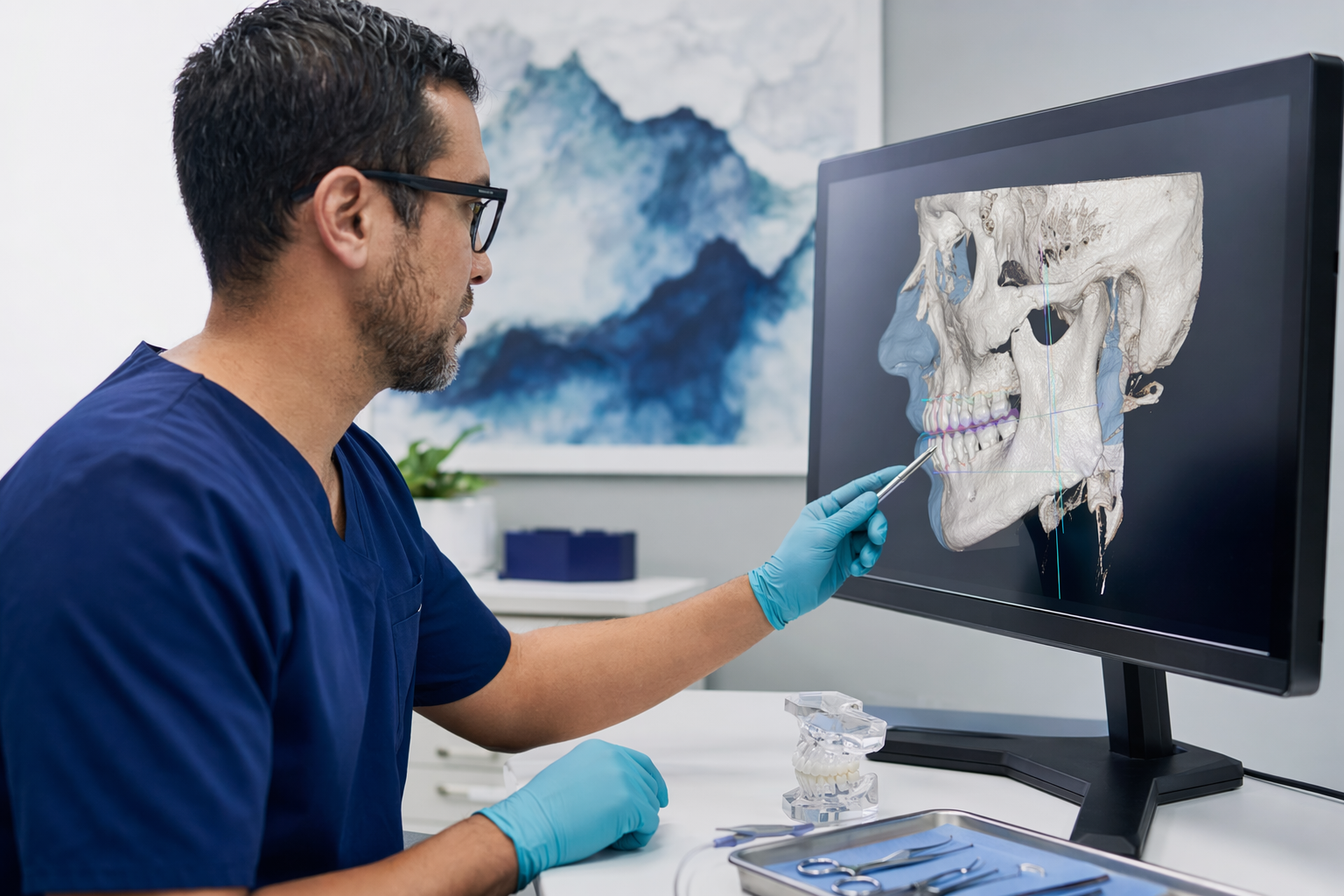
What corrective jaw surgery involves
In general, corrective jaw surgery is not a one-step appointment like a simple extraction. The process often starts with a consultation, X-rays or 3D imaging, and a treatment plan made by an oral and maxillofacial surgeon, sometimes working with an orthodontist.
During surgery, the surgeon may reposition the upper jaw, lower jaw, chin, or more than one area. Small plates and screws are commonly used to hold the bones in their new position while they heal. The exact plan depends on the person, the bite, the facial structure, and the surgeon's evaluation.
Because this is a major procedure, people usually want clear answers before scheduling. That is reasonable. You can compare surgeons, ask whether the surgeon is board-certified in oral and maxillofacial surgery, and ask for the full plan and expected cost in writing before you decide. A second opinion is also reasonable.
- Typical steps: consultation, imaging, treatment planning, surgery, follow-up
- The plan can involve one jaw, both jaws, or the chin area
- Always verify board certification yourself
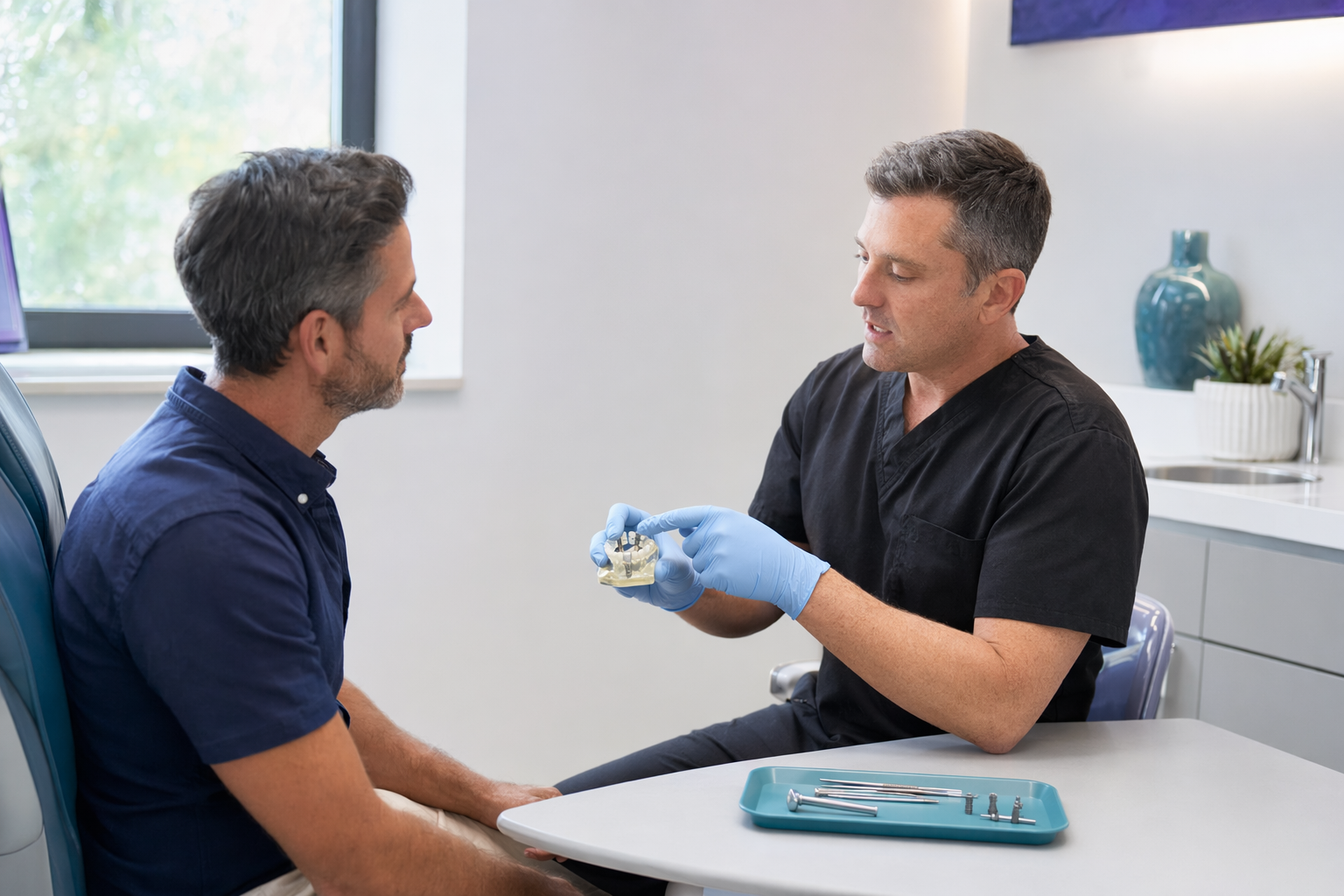
How much does corrective jaw surgery cost in the US?
In the US, corrective jaw surgery can range widely in cost. A broad self-pay range is often about $20,000 to $60,000+ for the full process. In more complex cases, costs may be higher. These are ranges, not quotes.
The real number depends on several things: which jaw or jaws are treated, how complex the movement is, whether planning technology is used, the surgical facility or hospital fees, anesthesia fees, follow-up care, and where you live. Costs in major metro areas are often higher than in smaller markets.
Another important point is that the total cost may be made up of separate charges. You may see a surgeon's fee, facility fee, anesthesia fee, imaging fees, and sometimes orthodontic costs if braces or aligner treatment are part of the larger plan. Ask for an itemized estimate so you understand what is included and what is not. You can read more general pricing information on /costs/.
- Broad US range: about $20,000 to $60,000+
- Ranges are not quotes
- Ask for itemized pricing in writing
What can change the final price
The biggest cost factors are usually complexity and setting. Surgery on one jaw may cost less than surgery on both jaws. A hospital-based case may cost more than a case done in another approved surgical setting. Anesthesia type and operating time can also affect the total.
Insurance may help in some situations, but coverage rules vary. Some plans treat parts of the process differently from others. For example, the surgical portion, imaging, and orthodontic care may not be handled the same way. That is why many people ask both the surgeon's office and their insurance plan for written details before scheduling.
If you are comparing offices, ask the same basic questions each time. What is included in the estimate? What is billed separately? Who provides anesthesia? Are follow-up visits included? If plans change during treatment, how are extra costs handled? Clear written answers can make comparisons much easier.
- One jaw vs both jaws can change cost
- Hospital and anesthesia fees can be significant
- Insurance rules vary by plan and case
Recovery: typical timeline and what people usually ask about
Recovery after corrective jaw surgery is usually measured in weeks to months, not days. Swelling and discomfort are often strongest in the first several days, then improve gradually. Many people need time away from work or school. A surgeon may give a step-by-step plan for eating, cleaning the mouth, activity, and follow-up visits.
A typical early recovery period is often around 2 to 6 weeks for getting through the most intense swelling and returning to lighter daily routines. Full healing and settling of the bite can take several months. These are typical ranges, not a promise. Everyone heals differently.
People often ask what is normal and when to call the surgeon. A surgeon's office usually explains what symptoms are expected after surgery and what signs mean they want to hear from you right away. If you ever have heavy bleeding, trouble breathing or swallowing, or a serious facial injury, call your local emergency number first.
It is also smart to ask about the expected follow-up schedule before surgery. Knowing who to call, what the office hours are, and how urgent concerns are handled can make recovery feel less stressful.
- Typical early recovery: about 2 to 6 weeks
- Full healing can take several months
- Everyone heals differently
How to compare surgeons and consultations
A consultation is your chance to understand the plan in plain language. You can ask what the surgeon sees on imaging, what the goals of surgery are, what alternatives may be discussed, what the likely recovery timeline is, and what the risks and limitations are in general. You can also ask about sedation or anesthesia options and who provides that care.
Choosing a board-certified oral and maxillofacial surgeon matters. Verify credentials yourself. Ask how often the surgeon performs corrective jaw surgery, whether the hospital or surgical facility is accredited, and whether the written estimate includes surgeon, facility, and anesthesia costs.
A second opinion is reasonable if you want one. Many patients find it helpful before a major procedure. If language is a concern, ask whether help is available in your preferred language. Oral Surgery Path is a free educational and matching service, and the matching service is always free to the patient. You can learn more on /help/ or request a match on /get-matched/. We only help connect you based on contact details and basic interest, so you can speak directly with a surgeon's office.
- Ask for the plan, risks, and full price in writing
- Ask about anesthesia options and who provides them
- Language help may be available
Corrective jaw surgery usually involves planning, surgery, and a long recovery, and the total US cost often falls around $20,000 to $60,000 or more depending on the case, setting, anesthesia, insurance, and location.
Common questions
Is corrective jaw surgery covered by insurance?
Sometimes, but coverage varies by plan and by case. Ask both the surgeon's office and your insurance plan for written details about what is covered and what is not.
Why is the price range so wide?
The total can change based on whether one jaw or both jaws are treated, how complex the surgery is, where it is done, anesthesia fees, imaging, follow-up care, and local pricing.
Does the estimate usually include braces or orthodontic treatment?
Not always. In many cases, orthodontic treatment is billed separately, so ask for an itemized estimate that shows exactly what is included.
How long is recovery after jaw surgery?
Many people need several weeks for early recovery, while full healing can take several months. These are typical timelines, not a promise, and everyone heals differently.
Can I get a second opinion before deciding?
Yes. A second opinion is reasonable, especially for a major procedure. Many people use it to compare the plan, the surgeon's credentials, and the written cost estimate.
How can I find a board-certified oral surgeon?
You can ask directly about board certification and verify credentials yourself. If you want help finding offices to compare, you can use our free matching service on /get-matched/.