Quick answers
How much does wisdom teeth removal cost?
Wisdom teeth removal is a minor oral surgery used to take out one or more back molars, often because they are trapped, crowded, or causing problems. Before you compare prices, it helps to know what the visit usually includes, what can change the cost, and what questions to ask a board-certified oral and maxillofacial surgeon.
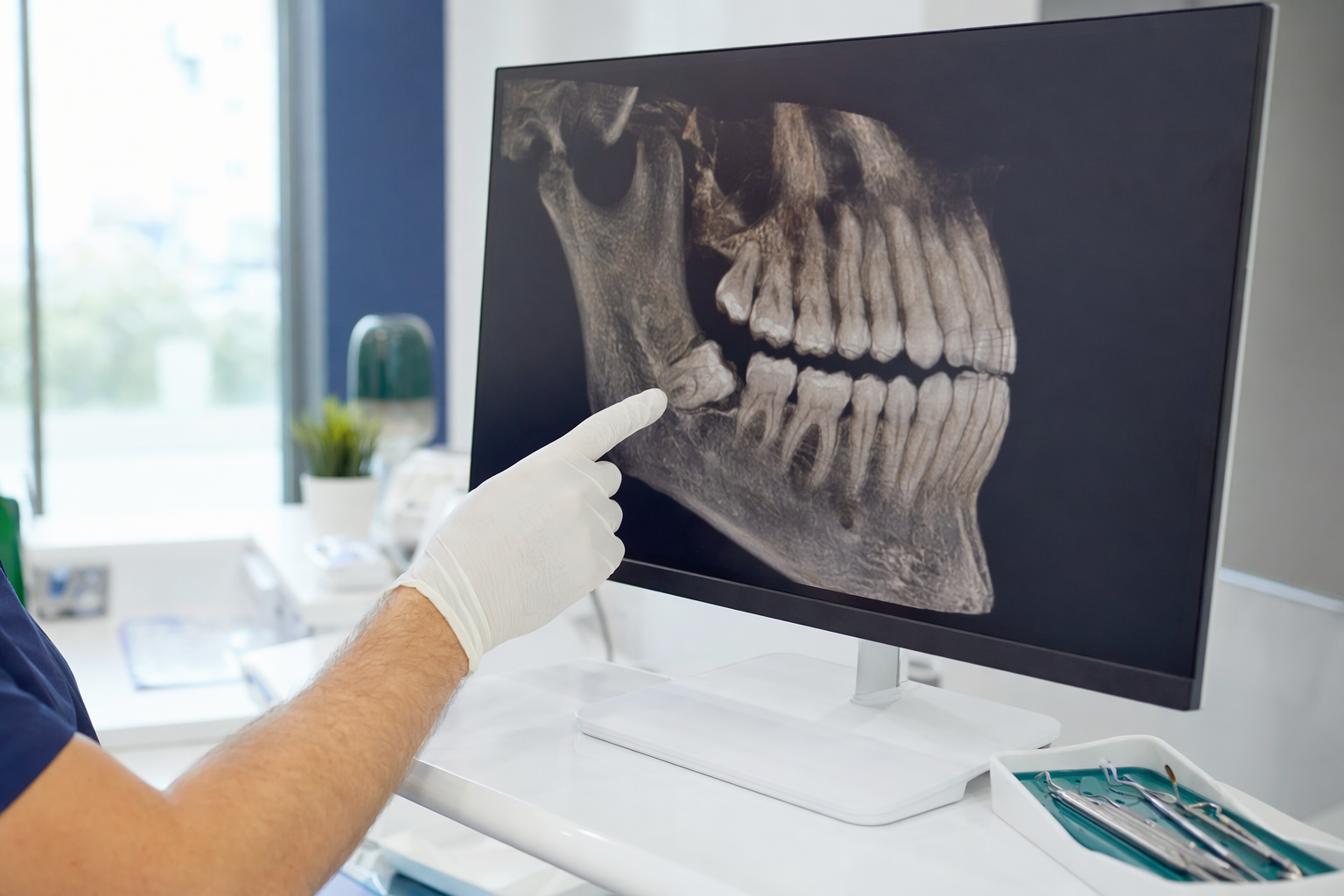
What wisdom teeth removal usually involves
In simple terms, the process often starts with an exam and X-rays. The surgeon reviews where the wisdom teeth are, whether they are fully erupted or still under the gums, and how close they are to nearby nerves or sinuses. Then you discuss the plan, the type of anesthesia or sedation that may be offered, and the expected recovery.
On the day of surgery, the area is numbed. Some patients also have sedation, depending on the case and the setting. The surgeon may remove a tooth in one piece, or may need to open the gum and remove some bone first. In some cases, the tooth is divided into smaller pieces to remove it more safely.
Afterward, you go home with written instructions about bleeding, swelling, eating, cleaning the mouth, and follow-up. The exact steps vary from person to person. This page is general education only. A licensed surgeon should explain what applies in your case.
- Typical parts of the process: consultation, imaging, surgery, anesthesia or sedation, and recovery instructions
- Some teeth are simple to remove. Others are impacted and more complex.
- A written treatment plan and written price estimate are worth asking for before you schedule.
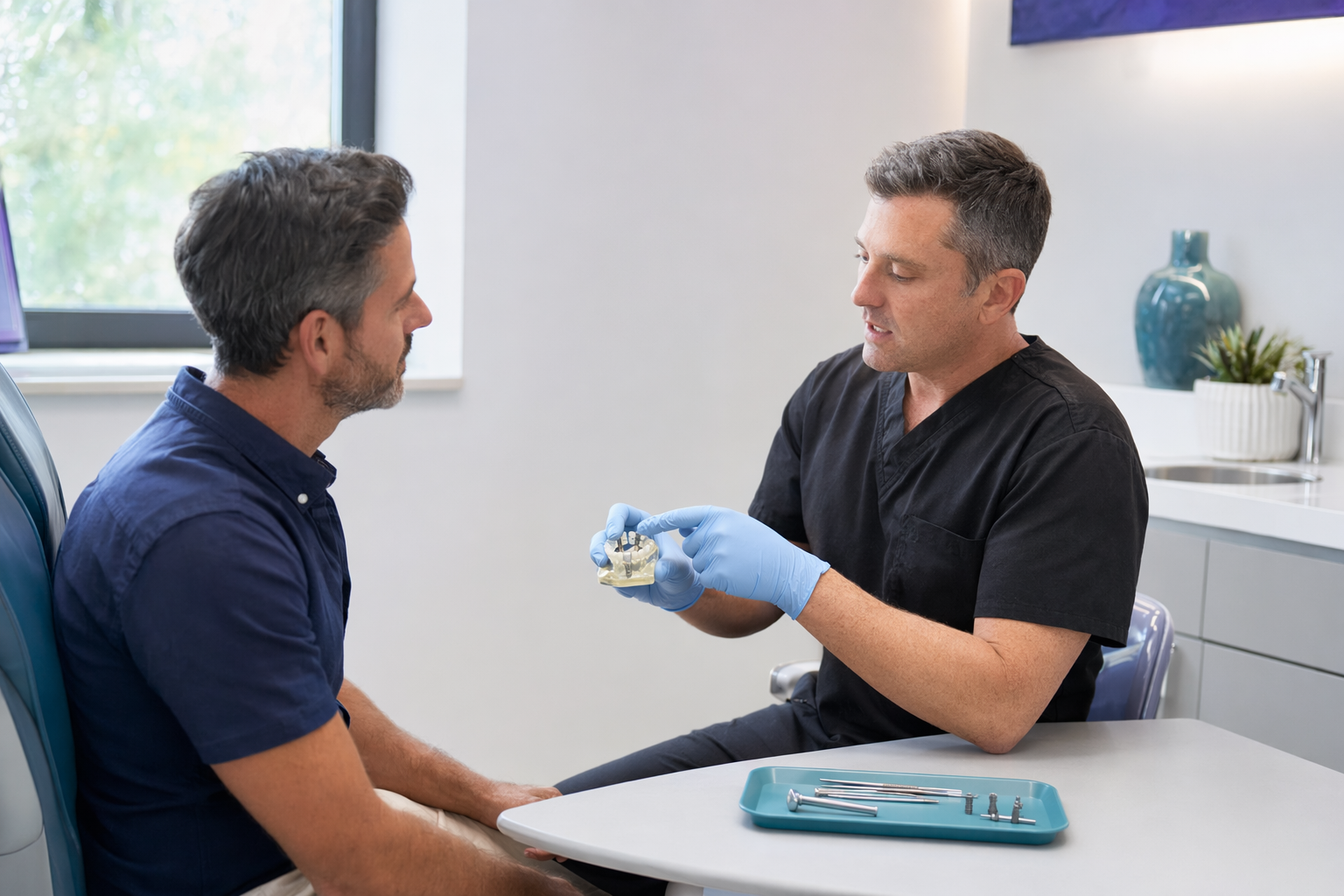
How much does wisdom teeth removal cost in the US?
The honest answer is that the price varies a lot. A simple wisdom tooth extraction may cost a few hundred dollars per tooth. A more complex surgical extraction, especially for impacted teeth, can cost much more. In many parts of the US, total costs often range from about $300 to $800 per simple tooth and about $800 to $1,800 per impacted tooth, with some cases higher.
If all four wisdom teeth are removed in one visit, many people see total estimates in the low thousands of dollars, especially if IV sedation or general anesthesia is involved. A broad all-in range for four teeth can be roughly $1,500 to $5,000+ depending on complexity, sedation, imaging, and location. These are ranges, not quotes.
The final number can depend on whether the teeth are fully erupted or impacted, whether bone removal is needed, the type of anesthesia or sedation used, the surgeon's office fees, and your local market. Insurance may reduce out-of-pocket cost in some cases, but coverage rules differ. You can read more general price information on /costs/.
- Simple extraction usually costs less than surgical or impacted extraction
- Sedation and imaging can change the total
- Urban areas and high-cost regions often have higher fees
What can raise or lower the price
The biggest cost factor is usually complexity. Teeth that are fully visible in the mouth are often more straightforward than teeth that are stuck under the gums or bone. The position of the tooth matters too. Teeth near important nerves or the sinus may need more surgical planning.
Another major factor is anesthesia or sedation. Local numbing alone is usually less expensive than nitrous oxide, oral sedation, IV sedation, or general anesthesia. Not every office offers every option. A consultation is a good time to ask what choices are available, who provides them, and what fees are separate.
Other common cost items include consultation fees, panoramic X-rays or 3D imaging, pathology if tissue is sent to a lab, prescriptions, and follow-up visits if they are not bundled. That is why it is smart to ask for the full expected cost in writing, not just the extraction fee.
A second opinion is always reasonable. When you compare surgeons, look beyond the lowest number. Ask whether the surgeon is a board-certified oral and maxillofacial surgeon, and verify credentials yourself before scheduling.
- Ask if the quote includes exam, imaging, sedation, surgery, and follow-up
- Ask what would count as an extra charge
- Ask whether your dental or medical insurance may apply
Typical recovery timeline and what people often ask about
Recovery is usually measured in days, not months, but it is not the same for everyone. Many people plan for a few quieter days after surgery. Swelling and soreness are often most noticeable in the first several days, then gradually improve. Some people feel ready to return to work or school quickly, while others need more time. These are typical patterns, not a promise.
It is common for surgeons to give instructions about rest, fluids, soft foods, and mouth care. Follow the surgeon's written directions closely, because those directions are specific to the procedure and the anesthesia or sedation used. If something seems unclear, call the surgeon's office and ask.
Patients often ask what is normal. Mild oozing, swelling, jaw stiffness, and soreness can happen after oral surgery. If there is heavy bleeding, trouble breathing or swallowing, or a serious facial injury, call your local emergency number first. For other concerns after a procedure, contact the treating surgeon's office.
If you want a general overview before your consultation, visit /help/. It can help you make a list of questions and understand the terms you may hear at the appointment.
- Typical, not guaranteed: a few days of downtime is common
- Healing can be slower after more complex extractions
- Written post-op instructions matter
How to compare surgeons and get a clear quote
You are allowed to slow down and ask questions. A consultation is not just about hearing a recommendation. It is also your chance to understand the plan, ask about sedation options and risks, and decide whether the office communicates clearly. If English is not your first language, it is reasonable to ask whether language help is available.
Good questions include: What is the exact procedure name? Are all four teeth being priced, or only some? Is the surgeon board-certified? What type of anesthesia or sedation is being discussed? What risks and alternatives are usually discussed for a case like this? What is the full estimated price, and what is not included?
Oral Surgery Path is a free educational and matching service. We are not a clinic, and we do not give diagnoses or treatment plans. If you want to compare options, you can use /get-matched/ to find board-certified oral and maxillofacial surgeons in your area. Matching is free to patients, and you should still verify credentials yourself and get the plan and full cost in writing before scheduling.
- Choose a board-certified OMS when possible
- Get the treatment plan and full cost in writing
- A second opinion is reasonable if you are unsure
Wisdom teeth removal cost can range from a few hundred dollars to several thousand depending on how difficult the surgery is, the sedation used, insurance, and where you live, so compare board-certified surgeons and get the full plan and price in writing.
Common questions
Why is one wisdom tooth estimate so different from another?
Usually because the cases are not equally simple. Cost can change based on whether the tooth is impacted, whether bone removal is needed, the type of sedation used, imaging, and local office fees.
Does insurance cover wisdom teeth removal?
Sometimes. Coverage varies by plan, by medical versus dental benefits, and by the reason for treatment. Ask the surgeon's office what they can check, and ask your insurer what your out-of-pocket cost may be.
Is the consultation fee usually separate?
Sometimes yes, sometimes no. Some offices bundle parts of the process, while others bill the exam and imaging separately. Ask for a written breakdown.
How long is recovery after wisdom teeth removal?
Many people need a few days of lighter activity, but recovery is different for everyone. More complex extractions may mean more swelling and a longer recovery. Your surgeon should explain what is typical for the planned procedure.
Should I get a second opinion?
A second opinion is always reasonable, especially if the plan or price is unclear to you. It can help you compare the procedure, sedation options, and total cost.
Can I use this site without sharing medical records?
Yes. Oral Surgery Path is a free matching service and educational resource. The matching form asks for contact and basic interest details only, not medical records, insurance numbers, SSNs, or financial account information.