Quick answers
How much swelling is normal after oral surgery?
Swelling is a common part of healing after many oral surgery procedures. In general, mild to moderate swelling is often expected for a few days, but the amount and timing can vary by procedure, the area treated, and the person.

What oral surgery recovery usually involves
Oral surgery can include wisdom tooth removal, dental implant surgery, bone grafting, surgical extractions, and other procedures done inside the mouth or jaw. In simple terms, the surgeon examines the area, numbs it or uses a sedation option, completes the procedure, and gives instructions for healing at home.
After that, the body starts its normal healing response. That response often includes swelling, some soreness, and stiffness. Swelling by itself does not always mean something is wrong. It is often a sign that the body is reacting to surgery and starting repair.
The amount of swelling often depends on how involved the procedure was. A single simple extraction may lead to less swelling than multiple impacted wisdom teeth, bone grafting, or surgery near the jawbone. Your surgeon is the right person to explain what is typical for your specific plan.
- More involved procedures often cause more swelling
- Swelling can happen inside the mouth and in the cheeks or jawline
- Everyone heals differently
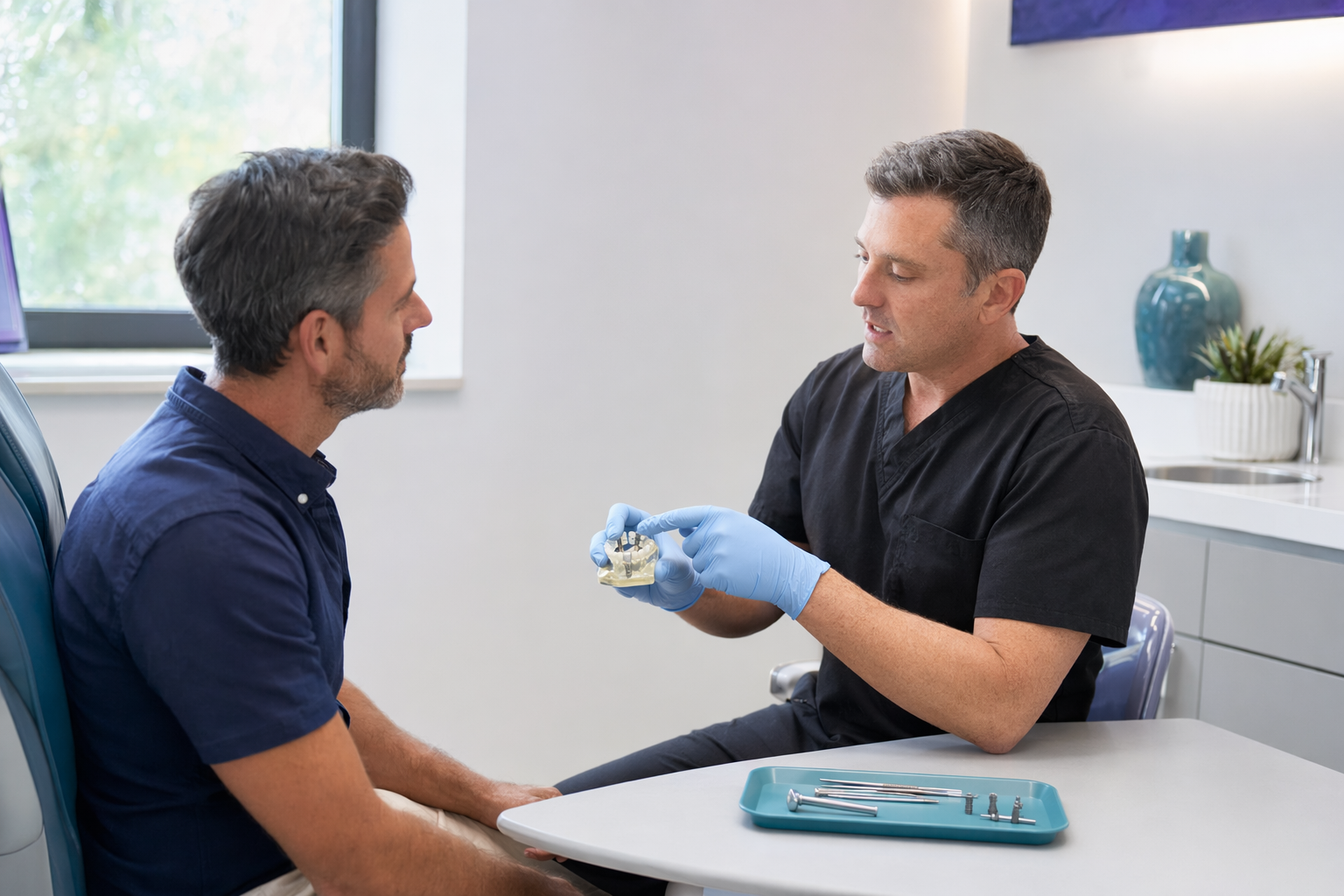
How much swelling is usually considered normal
In many cases, swelling starts within the first day after surgery and may become more noticeable over the next 48 to 72 hours. For many people, it begins to improve after that point. Typical recovery timing is not a promise, and some people heal faster or slower.
Mild swelling may look like puffiness in the cheek or gums. Moderate swelling may make the face feel tight, make chewing uncomfortable, or make it harder to open wide for a short time. This can still be part of a normal recovery after certain oral surgery procedures.
Some surgeries cause more visible swelling than others. Wisdom tooth removal, especially if teeth are impacted, often causes noticeable swelling. Bone grafting and jaw-related procedures may also lead to more swelling than a small, simple procedure. A board-certified oral and maxillofacial surgeon can tell you what they expect in your case before you schedule.
If swelling keeps getting much worse instead of gradually settling, or if something feels off to you, it is reasonable to contact the surgeon's office for guidance. If there is heavy bleeding, trouble breathing or swallowing, or a serious facial injury, call your local emergency number first.
- Often increases for 2 to 3 days before improving
- May feel tight or firm, not just look puffy
- A normal timeline can vary by procedure
What can affect how much swelling you have
Several factors can change the amount of swelling after surgery. These include the type of procedure, how many teeth or areas were treated, whether bone work was involved, how long the procedure took, and the body's own healing response. Sedation type may affect your overall experience, but it does not by itself predict exactly how much swelling you will have.
Your general instructions after surgery also matter. Surgeons usually explain how to protect the area, what to expect in the first few days, and when to call the office. Asking for those instructions in writing can help, especially if English is not your first language.
It is also okay to ask about communication support. Many offices can help with another language or simpler explanations. If you are still comparing options, help and the free matching service can help you look for a board-certified oral and maxillofacial surgeon in your area. You should still verify credentials yourself and confirm the treatment plan, risks, sedation options, and full cost in writing before scheduling.
- Procedure type and complexity matter a lot
- Ask for written instructions and clear follow-up steps
- A second opinion is always reasonable
When people usually call the surgeon
Many patients call the surgeon's office if swelling seems worse after several days instead of better, if pain feels out of proportion, if there is a bad taste or odor that does not improve, or if they are worried they do not understand the healing process. That does not automatically mean there is a serious problem. It means the office should help explain what is expected and whether you should be checked.
It is smart to ask in advance who to contact after hours, what changes they want to hear about, and what follow-up visit schedule they use. Clear follow-up instructions can lower anxiety and help you know what is routine versus what should be reported.
This site does not diagnose swelling or tell you what your body is doing. It gives general education only. The decision about whether healing is on track belongs with a licensed surgeon who has examined you or reviewed your case.
- Ask who to call after hours
- Ask what symptoms they want reported right away
- Keep the plan and follow-up details in writing
Consultation questions, costs, and choosing a surgeon
Before surgery, you can ask simple, direct questions: How much swelling is common after this procedure? When is swelling usually worst? What is the usual follow-up plan? What sedation options are offered, and what are the risks and recovery considerations? These questions can help you compare surgeons in a practical way.
Cost depends on the procedure, how complex it is, the sedation used, whether imaging or grafting is needed, your location, and insurance rules. Honest US ranges are ranges, not quotes. For example, a simple surgical extraction may cost a few hundred dollars, while impacted wisdom teeth, implant surgery, or grafting can reach into the high hundreds or several thousand dollars depending on the case. You can review broader cost information before your consultation, but always ask for your own written treatment plan and full price breakdown.
Choose a board-certified oral and maxillofacial surgeon when possible, and verify credentials yourself. You are allowed to compare offices, ask about experience with your type of procedure, ask for sedation details in plain language, and get a second opinion. If you want help finding a surgeon, get matched for free. The service is free to patients, and you only share contact details and basic interest information.
- Ask for board certification and verify it yourself
- Ask for the full plan and total cost in writing
- Ranges are not quotes
Some swelling after oral surgery is often normal for a few days, but the exact amount depends on the procedure, and a board-certified oral surgeon should tell you what is expected in your case.
Common questions
Is face swelling normal after wisdom tooth removal?
In many cases, yes. Wisdom tooth surgery often causes mild to moderate cheek or jaw swelling, especially when teeth are impacted. The surgeon can explain what is typical for your specific case.
When is swelling usually the worst?
For many people, swelling becomes more noticeable during the first 48 to 72 hours after surgery, then starts to improve. Typical timing varies by procedure and by person.
Does swelling mean something went wrong?
Not necessarily. Swelling is often part of normal healing after oral surgery. If it keeps getting much worse, or you are concerned, contact the surgeon's office for guidance.
When should someone seek urgent help?
If there is heavy bleeding, trouble breathing or swallowing, or a serious facial injury, call your local emergency number first.
Can I get a second opinion before surgery?
Yes. A second opinion is reasonable, especially if you want another explanation of the plan, risks, sedation options, recovery, or cost.
How can I find a board-certified oral surgeon?
You can use the free matching service on this site to find options near you, then verify board certification and compare the written plan, sedation details, and total cost before scheduling.