Quick answers
Is a second opinion worth it for oral surgery?
A second opinion for oral surgery often means one more consultation with a board-certified oral and maxillofacial surgeon who reviews your exam, imaging, symptoms, and treatment plan. For many people, it is worth it for clarity, confidence, and a better understanding of the options, risks, recovery, and cost before scheduling.

What a second opinion usually involves
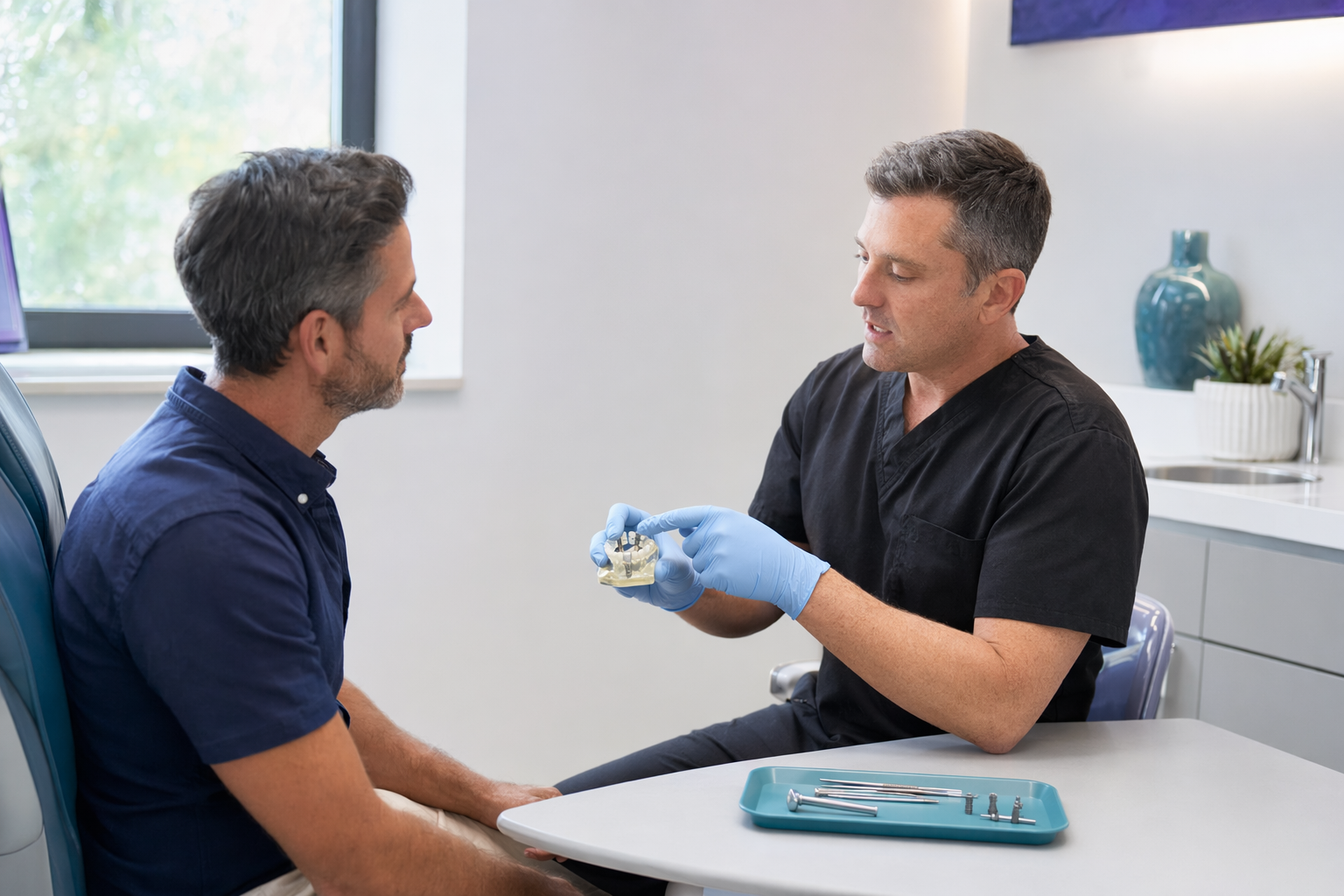
A second opinion is not a different surgery by itself. It is another surgeon looking at the same problem and explaining, in plain language, what they think is going on and what treatment may be recommended. In many cases, the visit includes a review of your symptoms, a mouth and jaw exam, and a review of X-rays or 3D imaging if available.
The surgeon may explain the steps of the possible procedure, such as removing a tooth, placing an implant, rebuilding bone, correcting a bite problem, or treating an infection or injury. They may also talk about where the procedure would happen, what kind of sedation may be used, how many visits may be needed, and what recovery is typically like.
This does not mean one surgeon is right and the other is wrong. Sometimes both opinions are very similar. Sometimes the difference is in timing, technique, sedation options, cost, or how clearly the plan is explained. That extra context can help you make a calmer decision.
- A second opinion can confirm a plan or raise useful new questions
- It can help you understand the procedure in simple steps
- It can make you feel more comfortable before you commit
When people often look for a second opinion
Many people ask for another opinion when surgery feels major, expensive, or hard to understand. This is common with wisdom teeth close to a nerve, dental implants with bone grafting, corrective jaw surgery, repeat surgeries, facial trauma repair, or cases involving general anesthesia or deeper sedation.
A second opinion may also be reasonable if you felt rushed, did not get clear answers, were not given the full cost in writing, or simply want to compare surgeons. You are allowed to ask questions. You are the one choosing who treats you, where the procedure happens, and when you schedule.
It is especially helpful to compare whether the surgeon is board-certified, what they believe the main goals of treatment are, what the alternatives may be, and what risks they want you to understand. You can start with help or use the free matching service if you want help finding a board-certified oral and maxillofacial surgeon in your area.
- Major surgery or complex anatomy
- High out-of-pocket cost
- Unclear explanation or rushed consultation
- Questions about sedation, timing, or recovery
What to compare between surgeons
The most useful second opinion is not just about hearing a yes or no. It is about comparing the plan carefully. Ask each surgeon to explain what they believe the procedure involves, why they recommend it, what the alternatives may be in general, and what could happen if treatment is delayed. Decisions about your care should be made with a licensed surgeon who knows your case.
It is also smart to compare credentials and logistics. Choose a board-certified oral and maxillofacial surgeon when possible, and verify credentials yourself. Ask where the surgery would take place, what type of anesthesia or sedation may be offered, who provides it, what follow-up is included, and whether you will receive the treatment plan and full expected cost in writing before scheduling.
Language access matters too. If English is not your first language, ask whether interpretation or care in your preferred language is available. Understanding the plan clearly is part of informed decision-making. Oral Surgery Path can help connect people with surgeons, and matching is always free to the patient.
- Is the surgeon board-certified in oral and maxillofacial surgery?
- What procedure is being proposed, and why?
- What sedation options may be available?
- Will the full plan and cost be given in writing?
Cost of a second opinion and the surgery itself
Second-opinion consultation costs in the US vary by office, region, imaging needs, and whether insurance applies. A consultation may be free in some offices, but in many cases it can range from about $100 to $400 or more. If new imaging is needed, that can add to the total. These are ranges, not quotes.
If surgery is later recommended, the total cost can vary a lot depending on the procedure, difficulty, sedation type, insurance, and your area. Simple surgical extraction may be hundreds of dollars, while multiple wisdom teeth with IV sedation may be in the low thousands. Dental implants, bone grafting, and jaw surgery can be much higher. The real number depends on the case. For broader US ranges, see costs.
A second opinion can sometimes save money, but that should not be assumed. Its main value is helping you understand what you are paying for and whether the plan feels right to you. Before scheduling, ask for the surgeon's written treatment plan, estimated fees, what is included, and what might lead to extra charges later.
- Consults may be free or may have a separate fee
- Imaging can change the total cost
- Ranges are not quotes
- Get the full plan and price in writing before scheduling
Recovery questions to ask before you decide
A second opinion is also a good time to ask about recovery in plain terms. Typical recovery depends on the procedure. Some extractions may involve several days of swelling and soreness, while implant surgery, bone grafting, or jaw surgery may involve a longer healing process over weeks or months. Typical timelines are not a promise. Everyone heals differently.
Ask what is normal after the procedure, what the first 24 to 72 hours are often like, when most people return to work or school, and what limits there may be on eating, lifting, exercise, or travel. You can also ask what warning signs mean you should contact the surgeon's office. In general, offices want to hear about concerning pain, fever, swelling that seems to worsen, or other unexpected problems, but your surgeon will give the instructions for your case.
If there is heavy bleeding, trouble breathing or swallowing, or a serious facial injury, call your local emergency number first. For non-emergency planning, a second opinion can help you feel prepared instead of surprised. If you want help finding someone to compare, get matched for free.
- Ask about the first few days after surgery
- Ask when normal activities may resume
- Ask what symptoms should prompt a call to the surgeon
- Emergency symptoms need emergency help first
A second opinion is often worth it because it helps you compare surgeons, understand the plan and cost, and choose a board-certified oral surgeon with more confidence.
Common questions
Is it rude to ask for a second opinion before oral surgery?
No. It is common and reasonable, especially for a costly, complex, or unclear treatment plan.
Can two surgeons give different answers?
Yes. They may agree on the problem but differ on timing, technique, sedation approach, or how they explain the risks and benefits.
Should I only see a board-certified oral surgeon?
For oral and maxillofacial surgery, many people prefer a board-certified OMS. It is wise to verify credentials yourself before scheduling.
How much does a second-opinion consultation cost?
It varies. Some consults are free, while others may range from about $100 to $400 or more, plus possible imaging. These are ranges, not quotes.
What should I ask during a second opinion?
Ask about the diagnosis in general terms, the proposed procedure, alternatives, risks, sedation options, typical recovery, where surgery happens, and the full written cost.
Can Oral Surgery Path tell me if I need surgery?
No. Oral Surgery Path is an education and free matching service. It does not diagnose, treat, or decide whether you personally need surgery.