Quick answers
Is IV sedation safe for oral surgery?
IV sedation is a common way an oral surgeon may help a patient feel deeply relaxed during surgery while still being carefully monitored. For many people, the main question is not just "is it safe," but how safety is managed, what the risks are, what it costs, and what recovery is usually like.
What IV sedation means during oral surgery
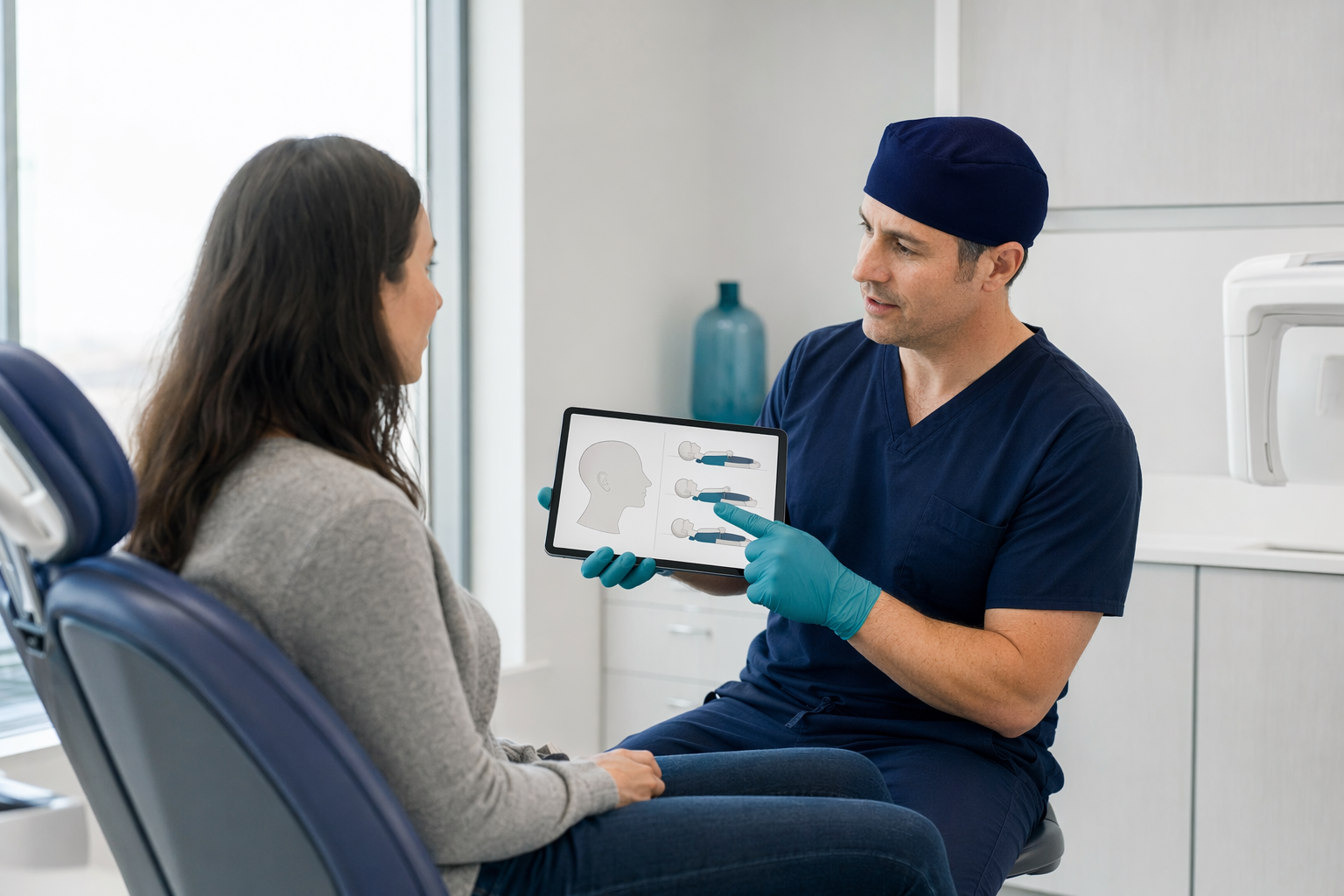
IV sedation means sedative medicine is given through a small line in a vein, usually in the arm or hand. In many oral surgery offices, this is used for procedures such as wisdom teeth removal, surgical extractions, dental implants, or other maxillofacial surgery. The goal is usually to help the patient feel calm, sleepy, and less aware of the procedure.
In plain terms, the process often looks like this: you arrive for surgery, the team reviews the plan, monitors are placed, the IV is started, and the surgeon and staff watch your breathing, heart rate, blood pressure, and oxygen level throughout the procedure. After surgery, you rest in recovery until the team decides you are ready to go home with an adult escort.
IV sedation is different from local anesthetic alone, and it is also different from general anesthesia in a hospital setting. The exact level of sedation, medicines used, and monitoring can vary by the procedure, the surgeon, and the office setup. That is why it is important to ask exactly what type of sedation is being offered in your case.
- IV sedation is given through a vein
- Monitoring is a key part of the process
- The type of sedation can vary from one case to another
How safety is handled
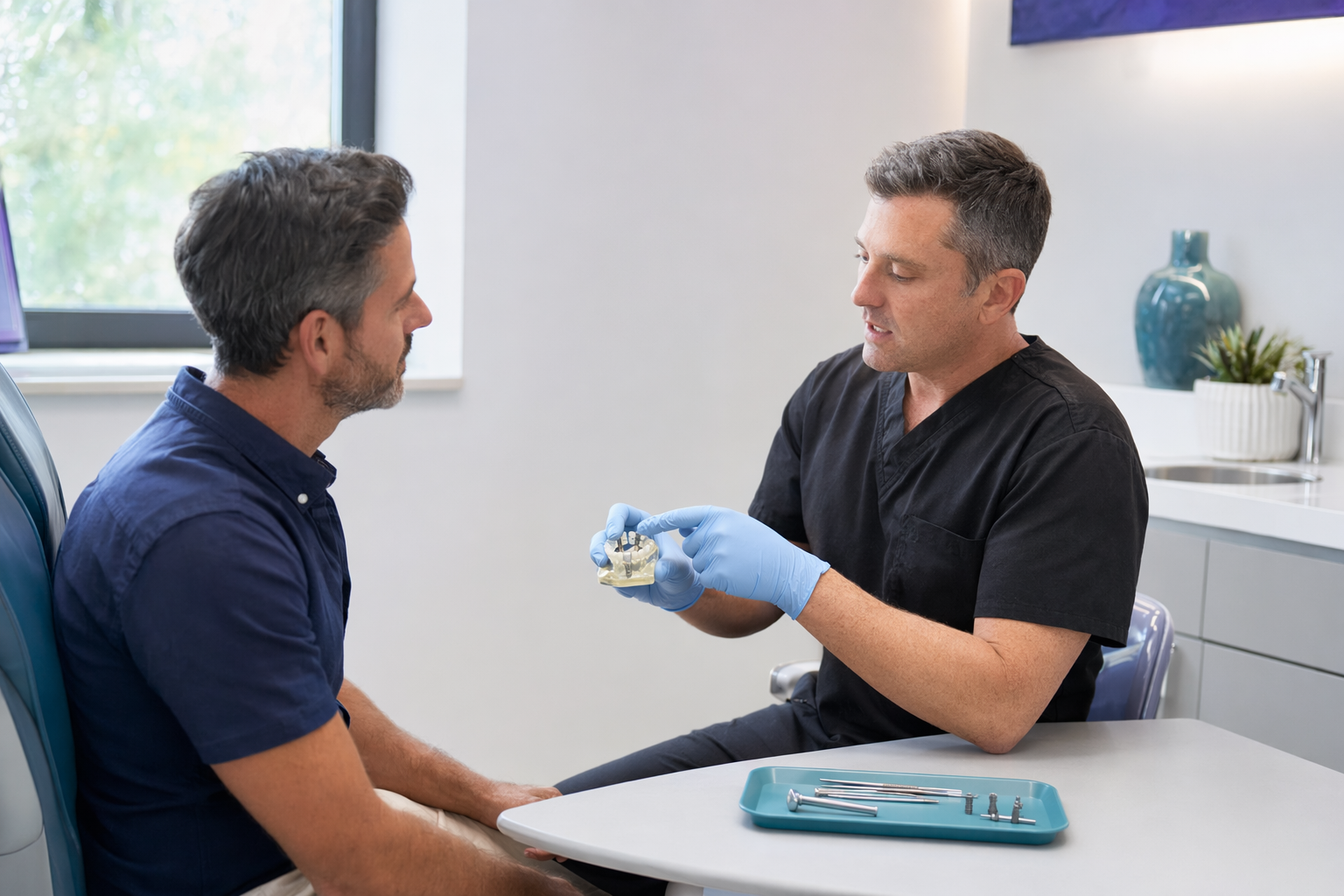
In general, IV sedation can be appropriate and commonly used in oral surgery when it is provided by a properly trained, licensed professional in the right setting. Safety depends on more than the medication itself. It also depends on the surgeon's training, the staff, the monitoring equipment, emergency readiness, and whether the sedation plan fits the procedure and the patient.
A board-certified oral and maxillofacial surgeon is trained in anesthesia and sedation as part of specialty training. Even so, you should still verify credentials yourself and ask clear questions at the consultation. It is reasonable to ask whether the surgeon is board-certified, what type of sedation will be used, where the procedure will take place, who will monitor you, and what emergency protocols the office has.
No sedation is risk-free. Side effects and complications can happen, and the level of risk is not the same for every person. That is one reason this page is education only, not a substitute for a surgical consultation. A licensed surgeon is the right person to explain the specific risks and benefits for your situation. If you want to compare options, a second opinion is always reasonable.
If you are trying to find a surgeon, our free matching service can help you connect with board-certified oral and maxillofacial surgeons. Help is often available in more than one language, and the service is free to patients.
- Choose a board-certified oral and maxillofacial surgeon
- Verify credentials yourself
- Ask who monitors you and what safety equipment is used
- A second opinion is reasonable
Questions to ask at the consultation
A consultation is your chance to understand the plan before you schedule. You do not need to be an expert. Short, direct questions are enough. The goal is to leave knowing what procedure is proposed, what type of sedation may be used, what recovery is usually like, and what the total expected cost is.
Useful questions include: What kind of sedation do you recommend in general for this type of procedure? Why that option instead of another? What are the main risks? What monitoring do you use during surgery? Who will be in the room? What instructions should I follow before and after surgery? When can most people return to normal activity? What signs mean I should call the surgeon after the procedure?
Also ask for the plan and the full cost in writing before scheduling. That should include the surgical fee, sedation fee if separate, imaging or facility charges if any, and what insurance may or may not cover. You can read more general guidance in our help center and compare broader cost information before you decide.
- Ask what type of sedation is planned
- Ask about risks, monitoring, and recovery
- Get the treatment plan and full cost in writing
Typical recovery after IV sedation
Recovery from IV sedation is usually fairly quick in the office, but that does not mean you will feel fully normal right away. Many people feel sleepy, groggy, unsteady, or mentally slow for the rest of the day. Typical, not guaranteed, guidance is that a patient goes home the same day and needs a responsible adult to drive and stay nearby for a period of time after surgery.
For many people, the strongest sedation effects wear off over several hours, but mild tiredness can last into the next day. The recovery from the surgery itself may last much longer than the recovery from the sedation. For example, soreness, swelling, jaw stiffness, or minor oozing after oral surgery can continue for several days, and full healing often takes longer. Everyone heals differently.
Your surgeon's written instructions matter most. In general, patients are often told not to drive, use machinery, sign important documents, or make major decisions for the rest of the day after IV sedation. Ask when most patients can return to work, school, exercise, and regular eating, because that can vary a lot by procedure.
Call the surgeon's office promptly if you have questions about recovery or if something does not seem right based on the instructions you were given. For emergencies such as heavy bleeding, trouble breathing or swallowing, or a serious facial injury, call your local emergency number first.
- Same-day discharge is common
- Grogginess for several hours is common
- Do not assume sedation recovery and surgery recovery are the same
- Emergency symptoms need urgent help first
Honest cost ranges in the US
The cost of IV sedation for oral surgery in the US can vary widely. A common rough range for IV sedation itself is about $300 to $1,000+, but sometimes more depending on the length and complexity of the procedure, the medicines used, the office, and your area. In some offices, sedation is billed separately. In others, it may be bundled into the surgical fee. These are ranges, not quotes.
The total cost of treatment usually depends on several factors at once: the procedure being done, how difficult the case is, the type of sedation, whether imaging or grafting is needed, whether insurance contributes, and local pricing. For example, a simple extraction with local anesthetic alone may cost much less than a multi-tooth surgical procedure with IV sedation. The only reliable number is the written estimate from the surgeon's office.
Before scheduling, ask for a clear written breakdown and ask what could change the final bill. You are allowed to compare surgeons, compare prices, and ask about other sedation options. If you want help finding a board-certified OMS to start those conversations, you can use get matched. The service is free, and it only starts with basic contact and what kind of care you are looking for.
- IV sedation often adds a separate cost
- US ranges vary by procedure, area, and office
- Ranges are not quotes
- Confirm the full written estimate before scheduling
IV sedation is commonly used in oral surgery, but safety depends on the surgeon, the setting, the monitoring, and your individual situation, so ask questions, verify board certification, and get the plan and cost in writing.
Common questions
Is IV sedation safer than general anesthesia?
They are different types of anesthesia care, and the answer depends on the procedure, the setting, and the individual patient. A licensed surgeon or anesthesia professional should explain the risks and reasons for one approach versus another in your case.
Will I be completely asleep with IV sedation?
Not always. IV sedation can range from lighter relaxation to a deeper sleep-like state. Ask the surgeon what level of sedation they plan to use and what you should expect.
Do I need someone to drive me home after IV sedation?
In many cases, yes. Offices commonly require an adult escort because patients may be groggy and not safe to drive after sedation.
How long does it take to recover from IV sedation?
Many people are awake enough to go home the same day, but grogginess can last for hours and sometimes into the next day. Recovery from the surgery itself may take longer.
How can I lower my risk?
A good starting point is to choose a board-certified oral and maxillofacial surgeon, verify credentials, ask questions about sedation and monitoring, and get the plan and full cost in writing before scheduling.
Can I get a second opinion about sedation options?
Yes. A second opinion is a normal and reasonable way to compare treatment plans, sedation choices, costs, and surgeon experience.