Quick answers
What is dry socket and how do I avoid it?
Dry socket is a painful healing problem that can happen after a tooth is removed, especially after wisdom tooth surgery. In plain terms, the blood clot that normally protects the empty socket is lost too early, so the bone and nerves underneath are more exposed while the area heals.
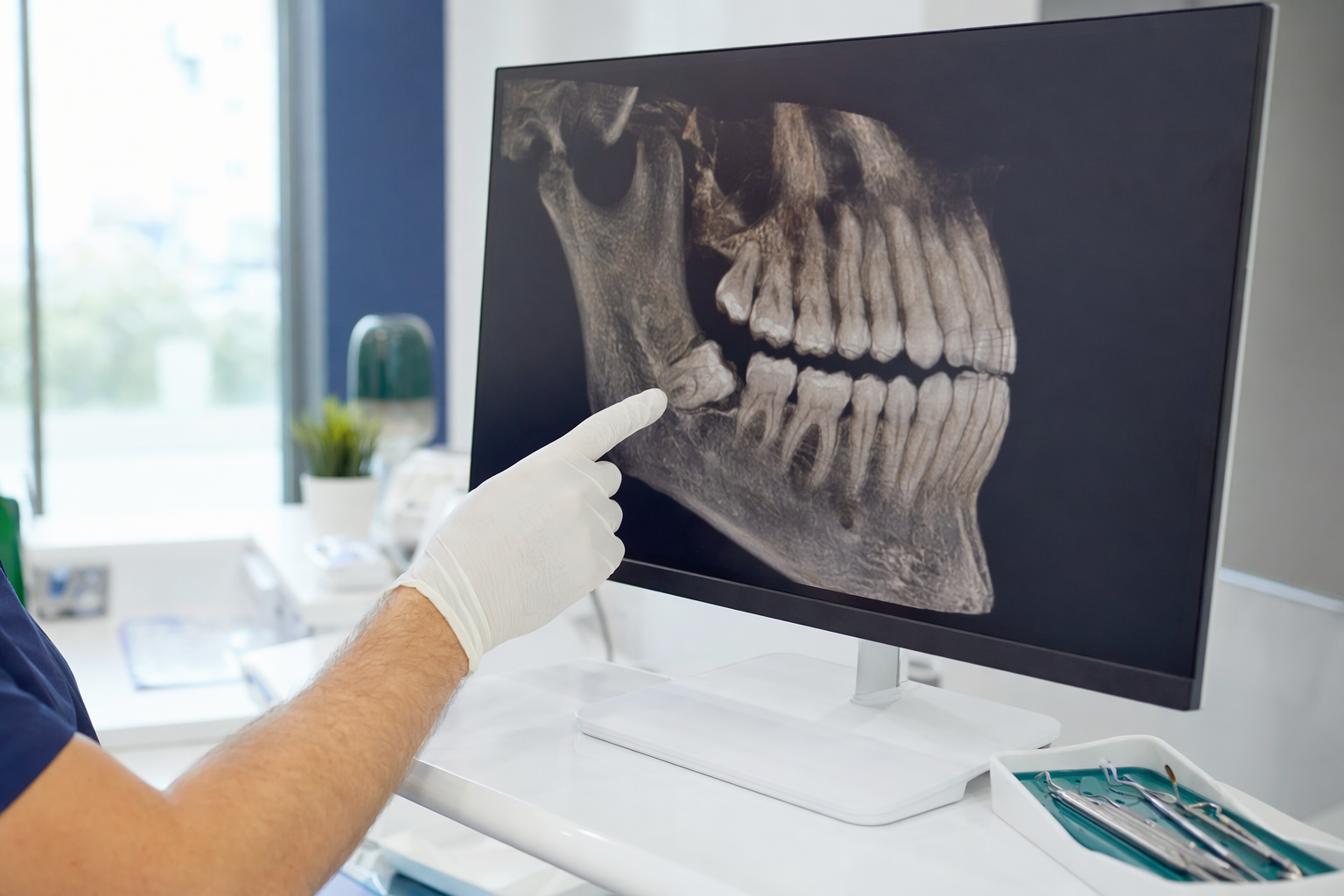
What dry socket means in plain language
After a tooth is removed, the body usually forms a blood clot in the empty space. That clot acts like a natural cover. It helps protect the bone, supports healing, and reduces pain while new tissue forms.
Dry socket is the common name for a situation where that clot breaks down, moves, or does not stay in place long enough. When that happens, healing can feel much more uncomfortable than a usual extraction recovery. An oral surgeon or dentist may call this "alveolar osteitis."
This page is general education only. It cannot tell you whether you have dry socket or what care is right for you. If you are worried after an extraction, the safest step is to contact the surgeon or dental office that treated you. If you have heavy bleeding, trouble breathing or swallowing, or a serious facial injury, call your local emergency number first.
- A normal blood clot helps protect the socket
- Dry socket happens when that protection is lost too soon
- It is a healing complication, not a sign that you did something "wrong"
What it can feel like, and what recovery is usually like
Many people have some swelling, soreness, and limited jaw opening after an extraction. That can be normal for the first few days. Typical healing after a simple extraction or wisdom tooth removal often starts to improve gradually over several days, but everyone heals differently.
Dry socket is often described as pain that becomes stronger instead of steadily improving. Some people notice pain that seems to spread toward the ear, jaw, or side of the face. A bad taste or bad odor can also happen. Only a licensed clinician can examine the area and decide what is causing symptoms.
In general, it is reasonable to call the surgeon's office if pain is getting worse, if swelling is increasing instead of easing, if you have a fever, or if you are not sure what is normal. Before surgery, ask what the office considers a typical recovery timeline, when they want follow-up calls, and how after-hours concerns are handled. You can read more general education on our help center.
- Typical recovery is a range, not a promise
- Worsening pain deserves a call to the treating office
- Only an exam can confirm the cause of post-extraction pain
How people try to lower the risk
There is no guaranteed way to prevent dry socket, but surgeons often give detailed after-care instructions because the first days of healing matter. In many cases, reducing suction, avoiding direct disturbance of the area, and keeping to the written instructions from the treating office may help protect the clot.
Examples of instructions many patients receive include avoiding smoking or vaping for the period the surgeon recommends, being careful with rinsing, and not using straws right after surgery if the office says to avoid them. Your surgeon may also explain when brushing, eating, exercise, and mouth rinses can safely restart.
The key point is simple: follow the specific directions from the licensed surgeon who treated you, because the right after-care plan depends on the procedure, the number of teeth removed, your health history, and how the surgery went. If any instruction is unclear, ask the office to explain it in plain language. Many practices can provide help in languages other than English.
- Read the written after-care sheet before you leave
- Ask the office to explain any step you do not understand
- Language support is often available
Questions to ask before surgery
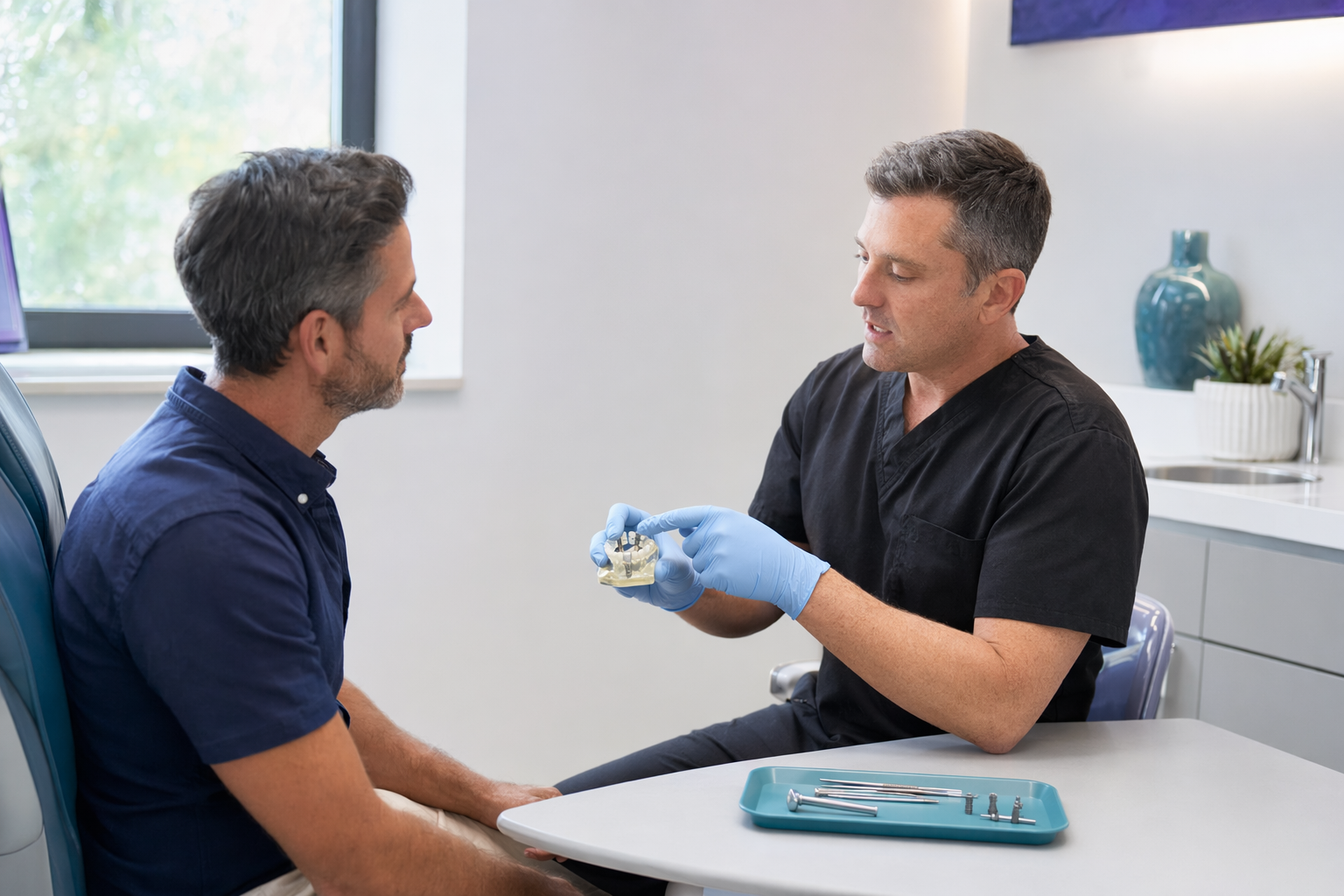
A consultation is your chance to understand the plan in plain terms. You can ask what the extraction involves step by step, what the usual healing timeline looks like, what problems the office watches for, and when to call after surgery. If sedation may be part of the visit, ask what sedation options are offered, who provides them, and what risks and recovery limits are discussed for your situation.
It is also smart to ask whether the surgeon is a board-certified oral and maxillofacial surgeon and to verify credentials yourself before scheduling. A second opinion is always reasonable, especially if you feel rushed or do not understand the explanation.
You are the decision-maker. Ask for the treatment plan and the full expected cost in writing before you commit. If you want help finding a board-certified OMS near you, our free matching service can help you compare options. The matching service is free to patients.
- Ask about the procedure in plain steps
- Ask about sedation options and risks
- Verify board certification yourself
- Get the plan and full cost in writing
Cost, follow-up visits, and finding care
Dry socket itself is not a planned procedure, so there is no single standard national price for every office visit related to it. If a person needs an urgent post-op exam after an extraction, the total cost can vary based on the type of visit, whether dressing or irrigation is done, the original procedure, insurance rules, and where you live. In the US, follow-up care related to extraction problems may range from about $50 to $300+ for an office visit or minor treatment, but these are ranges, not quotes.
The original extraction or wisdom tooth surgery is often the bigger part of the total cost. That amount may depend on how difficult the tooth is to remove, the number of teeth, sedation type, imaging, insurance, and your local market. You can see broader oral surgery price ranges on our costs page.
If you are comparing surgeons, ask each office the same questions: Is the surgeon board-certified? What is included in the fee? What follow-up care is included, and what could cost extra? Are translation or interpretation services available? Clear answers matter as much as the price.
If you want help locating a board-certified oral and maxillofacial surgeon, you can use our free matching form. We only help connect you with participating offices. We do not provide surgery or clinical care ourselves.
- Post-op visit costs vary by office, treatment, insurance, and area
- Ranges are not quotes
- Compare credentials, follow-up policies, and language support, not just price
Dry socket is when the protective blood clot in an extraction site is lost too early, which can make healing more painful, so it is important to follow your surgeon's after-care instructions and call the treating office if symptoms worsen.
Common questions
Is dry socket an emergency?
Usually it is handled by contacting the treating dental or surgical office promptly, but severe symptoms should never be ignored. If there is heavy bleeding, trouble breathing or swallowing, or serious facial injury, call your local emergency number first.
When does dry socket usually happen?
People often worry about it in the first several days after an extraction, when the clot is still important for healing. Exact timing can vary, and only a licensed clinician can evaluate symptoms.
Can I tell on my own if I have dry socket?
No. Pain, swelling, and bad taste can have different causes after an extraction. An exam by the treating office is the right way to find out what is going on.
Does smoking raise the risk?
Many surgeons warn that smoking or vaping may increase the chance of healing problems after extraction. Follow the specific no-smoking instructions from your treating surgeon.
How can I lower my risk?
The best general step is to follow the written after-care instructions from the surgeon who performed the extraction. Ask the office to explain anything that is unclear, including eating, rinsing, activity, and smoking restrictions.
How much can follow-up care cost?
It depends on the office, your insurance, your area, and what treatment is needed. A post-extraction follow-up visit or minor in-office care may range roughly from $50 to $300+, but that is a range, not a quote.