Quick answers
When should I call my surgeon after oral surgery?
After oral surgery, some swelling, soreness, and light oozing can be part of normal healing. The important question is knowing what usually improves with time, what should prompt a call to the surgeon’s office, and when a true emergency means calling your local emergency number first.

What recovery after oral surgery usually involves
Oral surgery can include tooth removal, dental implant placement, bone grafting, jaw surgery, or treatment for infection or injury. In simple terms, the surgeon treats the area, controls bleeding, may place stitches, and gives written after-care instructions for the first few days and weeks.
Most people are told to expect some pain, swelling, stiffness, bruising, and a limited diet at first. The exact pattern depends on the procedure, how complex it was, the type of sedation or anesthesia used, and the person’s general healing response. Typical recovery is not the same as guaranteed recovery.
In many cases, the first 24 to 72 hours are the hardest. Swelling often peaks around that time, then gradually improves. Mild bleeding or pink saliva may happen early on. For some procedures, numbness, jaw tightness, or fatigue may also be expected for a short time. Your surgeon’s written instructions matter most because they are based on the procedure that was actually done.
- Typical recovery is not a promise. Everyone heals differently.
- The surgeon’s own written instructions should guide your next steps.
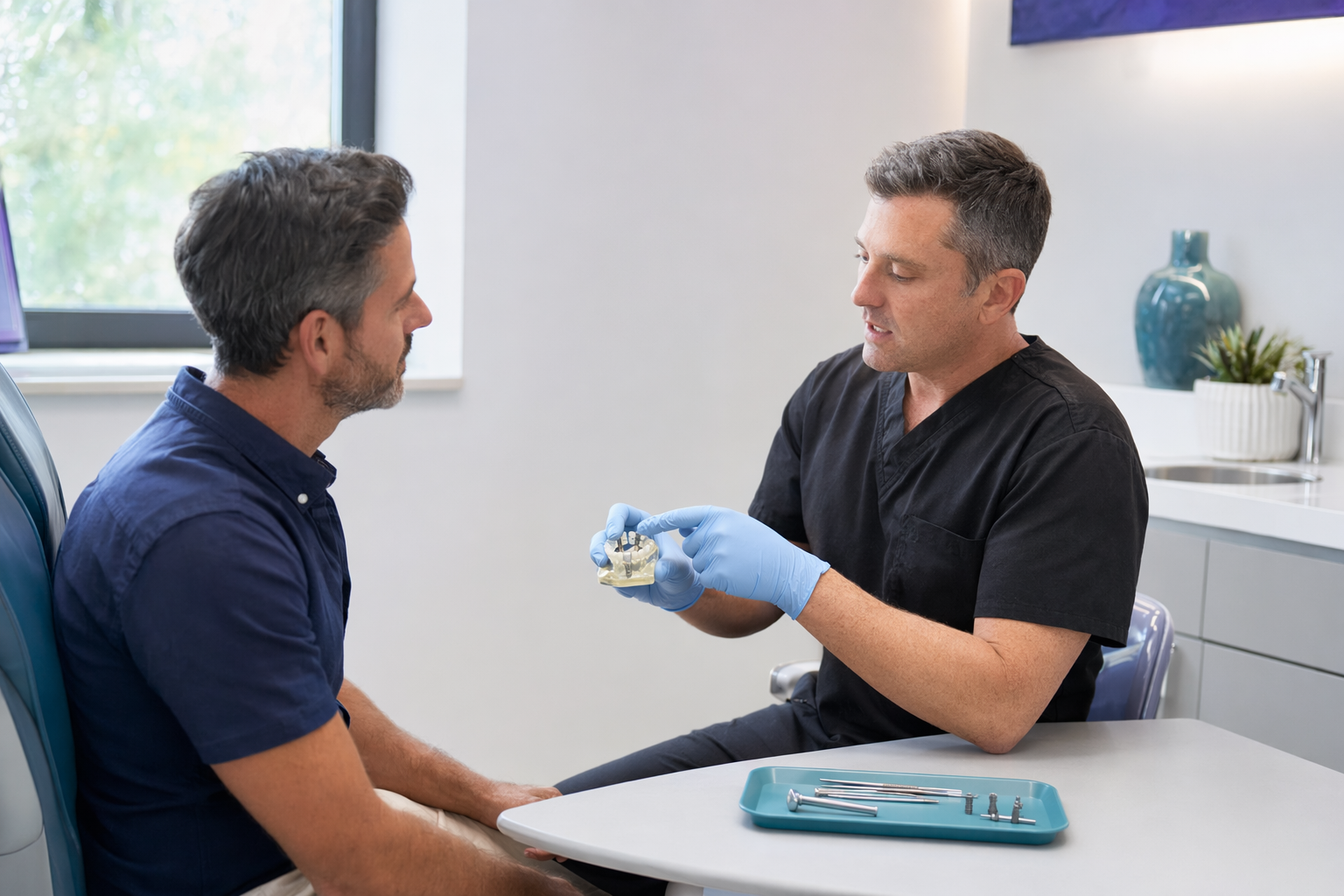
When it is reasonable to call the surgeon’s office
A call to the surgeon is usually appropriate when your symptoms feel stronger than expected, are getting worse instead of better, or do not match the after-care instructions you were given. Offices generally want patients to call with concerns rather than wait too long.
Common reasons people call include bleeding that does not seem to slow, pain that is not improving as expected, swelling that keeps increasing after the first few days, a bad taste or odor from the surgical area, fever, trouble opening the mouth, nausea after sedation, or questions about stitches, eating, or medicines that were prescribed.
It is also reasonable to call if you are not sure whether something is normal. That does not mean something is seriously wrong. It means you need guidance from the licensed surgeon or clinical team that treated you. If your concern is about the expected timeline, our general help section can give background, but it should not replace the surgeon’s instructions.
- Symptoms that worsen instead of improve are a common reason to call.
- Questions about bleeding, swelling, pain, stitches, or medicines are common.
- If you are unsure, calling the office is often better than guessing.
When it may be an emergency
Some symptoms should not wait for a routine callback. If there is heavy bleeding, trouble breathing, trouble swallowing, or a serious facial injury, call your local emergency number first. Those problems can become urgent quickly.
Other situations may also need prompt attention from a surgeon or emergency team, depending on the situation. Examples can include severe swelling that seems to affect the airway, repeated vomiting with dehydration, fainting, chest symptoms after anesthesia or sedation, or sudden severe weakness. These are general examples only, not a diagnosis.
If you are helping a family member after surgery, keep the surgeon’s contact information and discharge papers nearby. It also helps to know which office number is for daytime calls and whether there is an after-hours line.
- Call your local emergency number first for heavy bleeding, trouble breathing or swallowing, or serious facial injury.
- Keep the discharge instructions and phone numbers easy to find.
Typical timelines, follow-up visits, and what to ask
Recovery often happens in stages. The first few days are usually focused on bleeding control, rest, swelling, and gentle eating. During the first one to two weeks, many people notice steady improvement, though soreness, stiffness, and tenderness may continue. Larger procedures can take longer. Typical timelines are only broad ranges, not a promise.
Follow-up visits are often used to check healing, remove or inspect stitches if needed, review pathology or imaging if relevant, and answer questions about eating, work, exercise, or oral hygiene. If you think you may need a second opinion before future treatment, that is reasonable. You can compare surgeons, ask whether the surgeon is board-certified in oral and maxillofacial surgery, and verify credentials yourself before scheduling.
Helpful questions can include: What symptoms are expected after this procedure? What symptoms mean I should call? Who answers after-hours calls? What type of sedation was used, and what side effects are common? When should I expect to return to normal eating or activity? Getting the plan, follow-up steps, and full cost in writing can make recovery less stressful.
- Early recovery is often measured in days, fuller healing in weeks or longer depending on the procedure.
- A second opinion is always reasonable.
- Choose a board-certified oral and maxillofacial surgeon and verify credentials yourself.
Costs, planning, and finding a surgeon
Calling the office after surgery is usually part of normal follow-up care, but costs can vary. Some practices include routine post-op checks in the surgical fee, while extra visits, imaging, prescriptions, emergency evaluations, or treatment for complications may be billed separately. The real number depends on the procedure, sedation type, insurance, and your area. These are ranges, not quotes.
As a broad US example, a routine follow-up may be included or may fall around $0 to $250 if billed separately. Extra X-rays or scans can add cost. Sedation-related charges, if additional treatment is needed, can also change the total. You can learn more on our costs page, but the best step is to ask the surgeon’s office for a written breakdown before treatment whenever possible.
If you still need to find a surgeon for an upcoming procedure or a second opinion, get matched can help you connect with board-certified oral and maxillofacial surgeons. The matching service is free to patients. Help may be available in multiple languages, which can make consultations and recovery instructions easier to understand.
- US cost ranges are examples, not quotes.
- Ask for the full plan and expected costs in writing before scheduling.
- Matching is free to the patient.
After oral surgery, some discomfort is common, but worsening symptoms, symptoms that do not match your instructions, or emergency problems like heavy bleeding or trouble breathing mean you should contact the surgeon or emergency services right away.
Common questions
Is swelling normal after oral surgery?
In many cases, yes. Swelling often increases for the first 24 to 72 hours, then slowly improves. If swelling seems to keep worsening or affects breathing or swallowing, urgent medical attention may be needed.
How long should pain last?
That depends on the procedure and the person. Many people have the most discomfort in the first few days, with gradual improvement after that. If pain is getting worse instead of better, the surgeon’s office may want to hear from you.
Should I call if I am not sure something is normal?
Yes. In general, it is reasonable to call the surgeon’s office if your symptoms do not match the written instructions or you are unsure what to expect.
When is it an emergency instead of a routine call?
Heavy bleeding, trouble breathing, trouble swallowing, or serious facial injury should be treated as emergencies. Call your local emergency number first.
What if I want a second opinion before more treatment?
A second opinion is always reasonable. Many people compare surgeons, ask about board certification, discuss sedation options and risks, and request the plan and full cost in writing before scheduling.
Can Oral Surgery Path tell me if my symptoms are serious?
No. Oral Surgery Path is an educational and free matching service, not a clinic or surgical provider. Questions about your specific symptoms should go to a licensed surgeon or emergency service when needed.