How we've helped
A second opinion changed his implant plan
A dental implant is usually done in steps. First, the surgeon examines the area and takes imaging. Then a damaged tooth may be removed, the site may need bone support, and the implant post is placed in the jawbone. Later, after healing, the final tooth is attached. This anonymized story shows how one patient used a second opinion to compare plans and costs before deciding. It is illustrative only, not a guaranteed outcome.
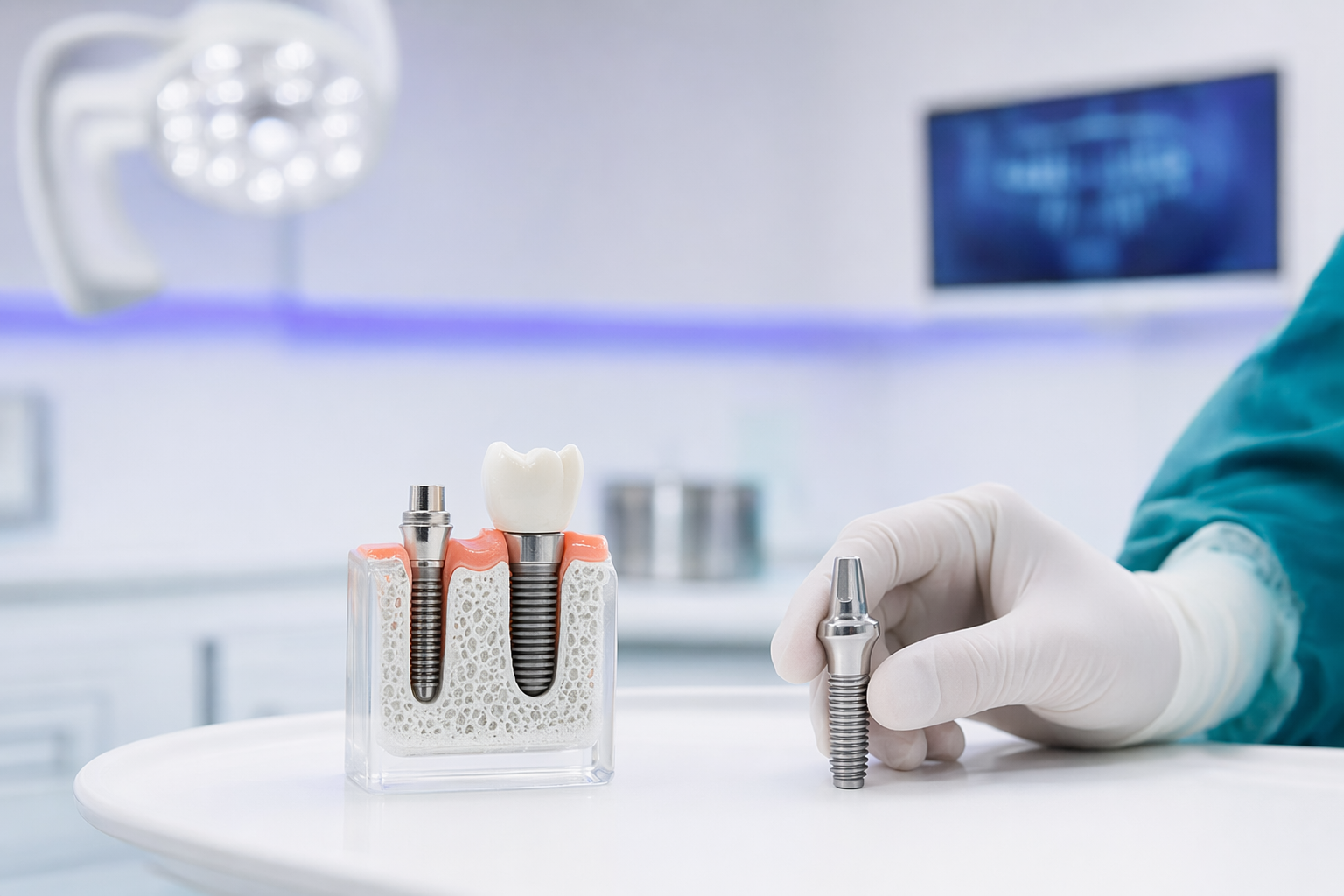
What the original implant plan looked like
A patient we will call David was told he might need an implant to replace a back tooth. At his first consultation, the office explained a multi-step plan. It included imaging, removal of the tooth, a grafting procedure, implant placement, sedation, follow-up visits, and the final restoration later with the dentist.
That kind of plan is not unusual. Implant treatment often happens in phases, and the exact steps depend on bone shape, gum health, the tooth position, and the surgeon's judgment. Costs also vary by area, sedation type, materials used, and whether more than one procedure is done.
What worried David was not only the total number. It was that he did not fully understand why each step was listed, what was optional, and what would be billed separately. He decided to pause and learn more before scheduling.
- Implant treatment is often a process, not one appointment
- Written plans help patients compare what is included
- Ranges are useful, but a quote should come from the surgeon's office

Why he got a second opinion
A second opinion does not mean the first surgeon was wrong. It is simply a way to compare approaches. In oral surgery, two qualified surgeons may describe different timelines, sedation choices, or sequencing of treatment while still working within accepted standards.
David booked another consultation with a board-certified oral and maxillofacial surgeon. He asked direct, plain questions. What problem is the implant meant to solve? Which steps are required, and which depend on what is found during surgery? Would treatment likely happen all at once or in stages? What sedation options are available, and what does each one change about the visit and the cost?
He also asked for the treatment plan and estimated charges in writing. That made it easier to compare the first office with the second. If you are starting this process, get matched for a free introduction to participating surgeons, and verify board certification yourself before moving forward.
- A second opinion is reasonable
- Board certification is worth verifying yourself
- Ask for the plan and full cost in writing before scheduling
What changed after the second consultation
At the second visit, David got a clearer explanation of the steps. The surgeon reviewed the imaging and explained that the final plan would depend on the condition of the site, but the office outlined what was definitely included and what might be added only if needed. The discussion was calmer and easier to follow.
The biggest difference was transparency. The office separated consultation fees, imaging, sedation, surgery, and follow-up items. Some parts of the earlier plan that looked fixed now sounded more conditional. David was not told that one office was "better." He simply had more information to compare.
In many US markets, a single implant-related surgical phase can range from roughly $3,000 to $6,000+, and full treatment can be higher if grafting, sedation, extractions, or multiple visits are involved. These are ranges, not quotes. The real number depends on the case, insurance, your location, and the surgeon's plan. Reading more about common procedures can help you prepare for the conversation: see procedures.
- Clear itemization can change how a patient understands the price
- Some parts of a plan may be required; others may be conditional
- Honest cost ranges are not the same as a personal quote
How he compared surgeons and made a decision
David did not choose based on the lowest number alone. He compared credentials, communication, timing, and how clearly each office explained risks, sedation options, follow-up care, and what could affect the final bill. He wanted to know who would actually perform the surgery, how questions would be handled after the procedure, and what would happen if healing took longer than expected.
He also checked whether language help was available. For many patients, understanding the plan in their own language reduces stress and confusion. A free matching service can help you find offices to contact, but the decision is still yours. You compare surgeons. You verify credentials. You confirm the plan and the full expected cost before you schedule.
In David's case, the second opinion led to a simpler written plan and a lower expected total cost than the first office had presented. That does not happen every time. Sometimes a second opinion confirms the first recommendation. The value is in understanding your choices before you commit. You can read more anonymized examples at patient stories.
- Lowest price is not the only factor
- Ask who performs the surgery and who handles follow-up
- Language support may be available
Recovery, follow-up, and what this story really means
Implant recovery is different for each person. Many patients expect soreness, swelling, and a softer diet for a few days after surgery. Follow-up timing varies. Healing of the bone and gum tissue often takes weeks to months before the final tooth is placed, depending on the treatment sequence. These are typical patterns, not a promise. Everyone heals differently.
A surgeon's office should explain what is normal after the procedure, how to contact them with concerns, and when follow-up visits are expected. If bleeding seems heavy, or if there is trouble breathing or swallowing, call your local emergency number first.
The lesson from this story is simple. Slow down if the plan feels unclear. Ask questions. Get another opinion if you want one. Choose a board-certified oral and maxillofacial surgeon, verify credentials yourself, and make sure the treatment plan and expected costs are in writing before scheduling. Oral Surgery Path is a free educational and matching service, not a surgical provider.
- Typical recovery is not the same as guaranteed recovery
- Written instructions and follow-up plans matter
- Emergency symptoms need emergency help first
This story shows how one patient used a second opinion to better understand an implant plan, compare board-certified surgeons, and make a more informed cost decision.
Common questions
Is a second opinion for dental implants normal?
Yes. Many patients get a second opinion to compare treatment steps, sedation choices, credentials, and costs before deciding.
Can two surgeons recommend different implant plans?
Yes. Different surgeons may describe different timelines or techniques based on their evaluation. That does not automatically mean one plan is wrong.
How much can implant treatment cost in the US?
Costs vary widely. A surgical phase may range from about $3,000 to $6,000 or more, and total treatment can be higher if extractions, grafting, sedation, or multiple visits are needed. These are ranges, not quotes.
What should I ask at an implant consultation?
Ask what steps are planned, what may be optional, what sedation choices exist, who will perform the surgery, what follow-up is included, and for the plan and expected costs in writing.
Does Oral Surgery Path provide treatment?
No. Oral Surgery Path is a free educational and matching service. It is not a dental or medical practice, and it does not provide surgery.