Guides
Does Insurance Cover Oral Surgery?
Oral surgery can include a consultation, imaging, a written treatment plan, the procedure itself, and follow-up visits. Insurance may cover some parts, all, or none of the cost depending on why the surgery is being done, which type of insurance you have, and how the claim is coded.

How oral surgery is billed
Many people are surprised that oral surgery can involve both dental and medical insurance. That is because oral and maxillofacial surgeons work in an area where teeth, jaws, facial bones, and the mouth overlap. A claim may be sent to dental insurance, medical insurance, or sometimes both, depending on the procedure and the reason for it.
In plain terms, the process often looks like this: you have a consultation, the surgeon reviews imaging and your symptoms, a treatment plan is created, the office checks benefits, and then the claim is submitted under the insurance rules that apply. The exact billing path depends on the procedure, your policy, and whether the surgeon is in network.
This is why two people having a similar surgery may get very different coverage results. One plan may classify it as dental. Another may treat part of it as medical. Some plans have waiting periods, annual maximums, deductibles, or exclusions that change what the patient pays.
- Coverage depends on the policy, not just the procedure name
- Dental and medical insurance may use different rules
- Pre-authorization may be required in some cases
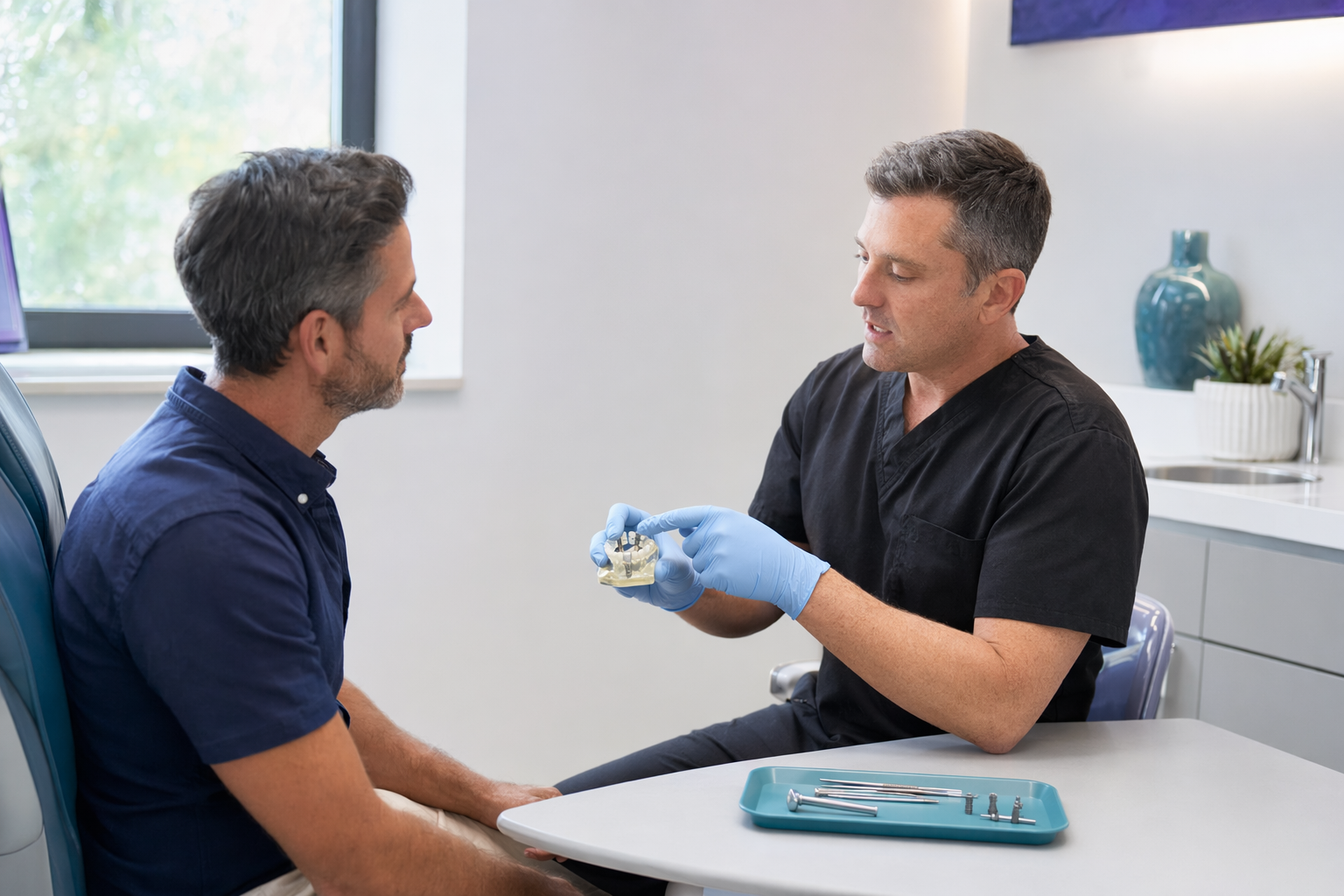
When dental insurance may help
Dental insurance often applies when the surgery is closely tied to teeth, gums, or preparation for dental treatment. Common examples can include wisdom teeth removal, surgical extractions, exposure of impacted teeth, or some bone grafting related to future dental work. Coverage may be limited by annual maximums, frequency rules, and waiting periods.
Even when dental insurance does cover part of a procedure, it may not cover every related cost. For example, the surgical fee, imaging, pathology, sedation, or follow-up visits may be handled differently depending on the plan. Some plans cover basic local anesthesia but apply different rules to deeper sedation.
If you are still learning about possible procedures, our procedures section can help you understand common oral surgery terms before you compare benefits and pricing. It can also help you ask more precise questions during a consultation.
- Dental plans often have annual dollar caps
- Sedation coverage varies a lot
- A written estimate is important before scheduling
When medical insurance may help
Medical insurance may be involved when the surgery is connected to a broader health condition, injury, infection, pathology, jaw function issue, or facial trauma. Examples may include treatment after an accident, jaw surgery, biopsy of a lesion, treatment of certain infections, or surgery related to fractures. Whether a plan agrees that a procedure is medically necessary is determined by the insurer under that policy's rules.
This does not mean medical insurance will automatically pay. The insurer may ask for imaging, clinical notes, or pre-authorization. Some services may be covered only in certain settings or only when specific documentation is provided. The amount you owe can still depend on your deductible, coinsurance, and network status.
For serious facial injury, heavy bleeding, or trouble breathing or swallowing, call your local emergency number first. Insurance questions can wait until urgent care needs are addressed.
- Medical plans may require prior authorization
- Network rules can affect your out-of-pocket cost
- Documentation often matters
What you may still have to pay
Even with insurance, there may be out-of-pocket costs. These can include the consultation, imaging, deductibles, copays, coinsurance, charges above the plan allowance, or services the plan excludes. If a procedure is partly covered, the patient usually pays the remainder.
As a general US range, oral surgery costs can vary from a few hundred dollars for a simple visit-related service to several thousand dollars for more involved procedures. Sedation, complexity, the need for imaging, bone grafting, pathology, follow-up care, and your local market can all affect the final number. These are ranges, not quotes.
Before scheduling, ask for the full plan and full expected cost in writing. You can also ask whether the estimate includes imaging, facility fees if any, sedation, pathology, and follow-up visits. A second opinion is always reasonable, especially when treatment choices or prices differ. You can read more educational articles in our guides section.
- Ask what is included in the estimate
- Ask whether pre-authorization has been obtained
- Ranges are not quotes
How to compare surgeons and insurance information
The most useful next step is usually a consultation with a board-certified oral and maxillofacial surgeon. During that visit, you can ask what the procedure involves, what type of anesthesia may be offered, what the typical recovery timeline looks like, and which fees are commonly billed to dental or medical insurance. Typical recovery times vary by procedure and person, so no office can promise an exact healing schedule.
In general, recovery may involve swelling, soreness, a soft-food period, activity limits, and follow-up visits. Some people return to normal routines quickly, while others need more time. Everyone heals differently. The surgeon's office should explain what is typical after the planned procedure and when patients are usually told to call the office with concerns.
You are the decision-maker. Compare credentials, verify board certification yourself, ask whether the office can explain costs in your preferred language, and confirm the plan in writing before you commit. If you want help finding surgeons to compare, get matched for free. The service is free to patients, and you only share contact details and basic interest information.

Insurance may pay for some oral surgery, but the amount depends on your plan, the reason for the surgery, and whether the claim goes through dental insurance, medical insurance, or both.
Common questions
Does insurance always cover wisdom teeth removal?
No. Some plans cover part of it, some cover more, and some cover less. Coverage depends on the policy, the reason for surgery, waiting periods, annual maximums, and how the claim is billed.
Can both dental and medical insurance be used for oral surgery?
Sometimes. Certain cases may involve dental insurance, medical insurance, or both, depending on the procedure and the insurer's rules.
Will insurance cover sedation?
Sometimes, but not always. Sedation coverage varies widely by plan and by the reason for treatment.
How can I know my real cost before surgery?
Ask the surgeon's office for a written estimate and ask what is included. Also ask whether pre-authorization is needed and whether the surgeon is in network.
Should I get a second opinion?
Yes, that is reasonable. A second opinion can help you compare treatment plans, costs, and surgeon experience.
What if I need help in a language other than English?
Many offices can explain consultations, scheduling, and cost questions in other languages or with language support. It is fine to ask.