Surgical care
Orthognathic Jaw Surgery
Orthognathic jaw surgery, also called corrective jaw surgery, is surgery to move the upper jaw, lower jaw, chin, or a combination of these so the jaws fit together better. In simple terms, the process usually starts with scans and planning, then surgery in a hospital or surgical center, followed by a healing period and follow-up visits with your surgical team.
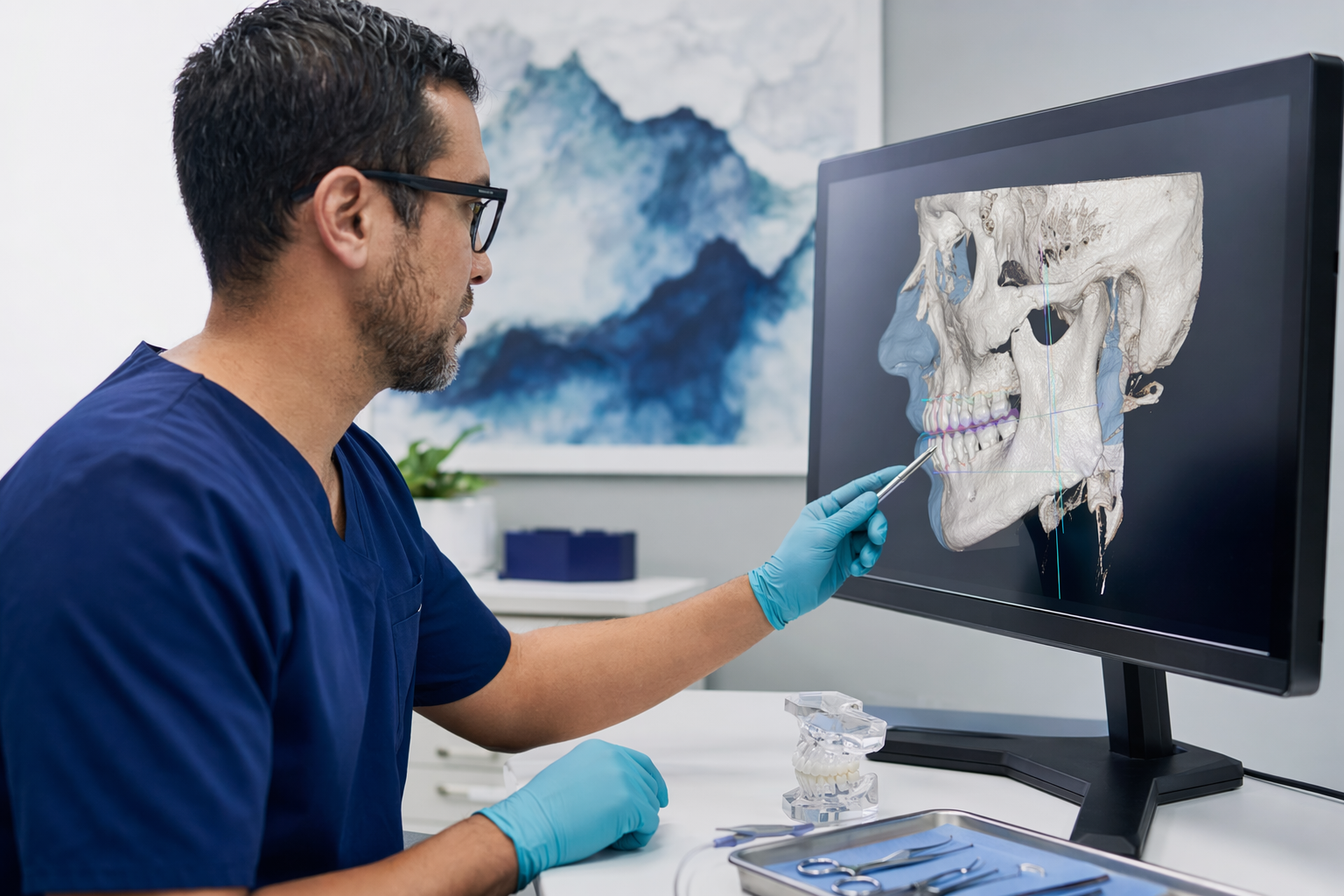
What orthognathic jaw surgery is
This surgery is used to correct jaw alignment problems that can affect bite, chewing, speech, facial balance, or breathing. A board-certified oral and maxillofacial surgeon may work with an orthodontist and other providers to plan the final jaw position.
In many cases, the basic steps are similar. First, there is a consultation, exam, and imaging. Then the surgeon creates a treatment plan. Surgery is done under anesthesia, with cuts usually made inside the mouth so visible scars may be limited. Small plates and screws are often used to hold the jaw bones in the new position while they heal.
The exact plan depends on the person. Some cases involve only the upper jaw or only the lower jaw. Others involve both jaws, and sometimes chin surgery is added. This page is general education only. Whether surgery is appropriate, and what type, is a decision between you and a licensed surgeon.
- Often planned with braces or clear aligners
- May involve upper jaw, lower jaw, chin, or more than one area
- Usually requires detailed imaging and a written treatment plan
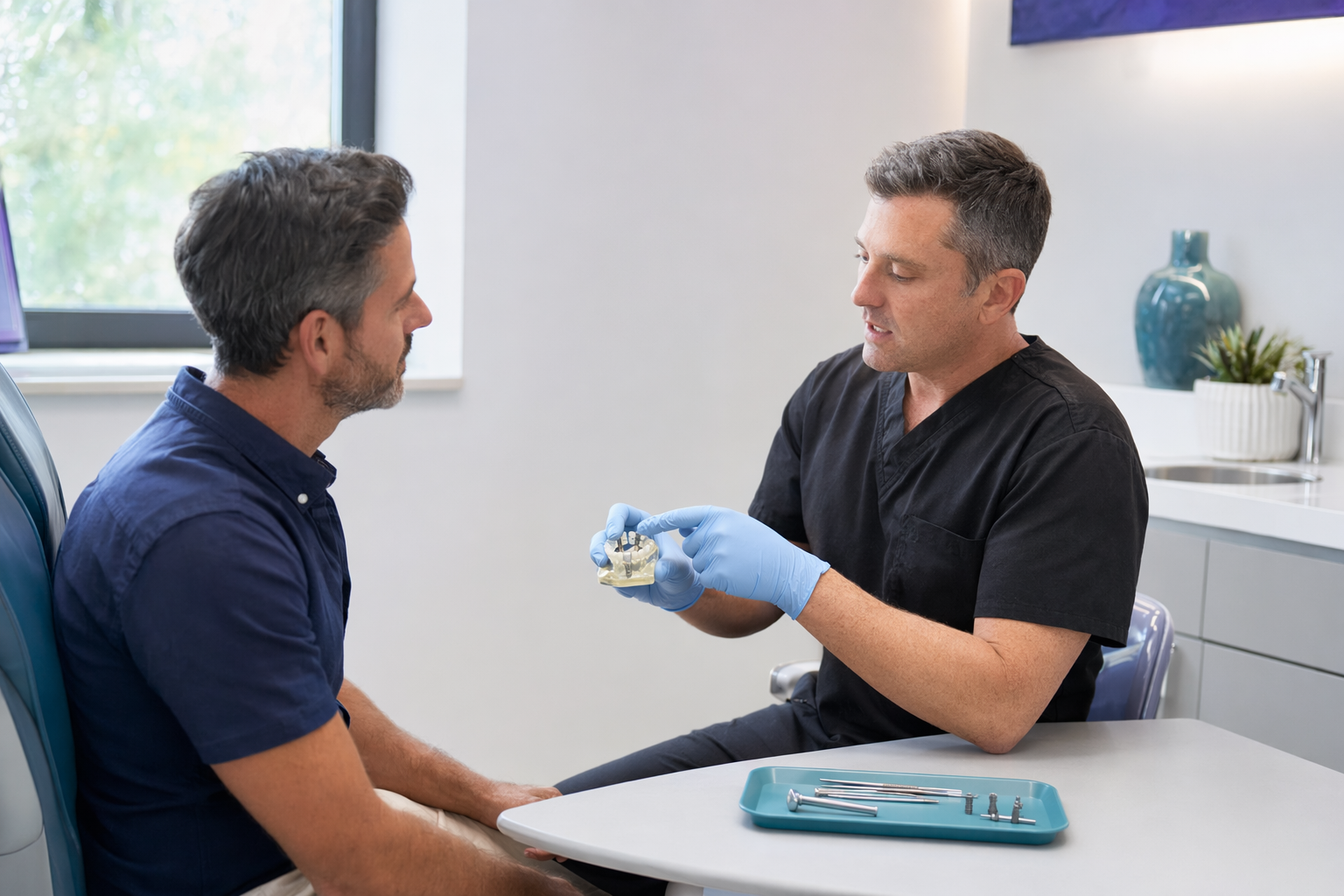
Why a surgeon may recommend it and what the consultation covers
People are often referred for corrective jaw surgery because their jaws do not line up well. That can lead to problems with biting food, chewing, speaking clearly, lip closure, facial symmetry, or airway function. Some people also seek evaluation after jaw growth changes, a birth difference, or prior injury.
A consultation usually includes a review of your concerns, facial and bite exam, and imaging such as X-rays or 3D scans. The surgeon may explain what changes are possible, what cannot be changed, and whether orthodontic treatment is part of the process. This is also the time to ask how surgery would be done, where it would take place, and what type of anesthesia or sedation is commonly used for this kind of procedure.
It is reasonable to get a second opinion. You are the decision-maker. Compare surgeons, ask whether the surgeon is a board-certified oral and maxillofacial surgeon, and verify credentials yourself. Before scheduling, ask for the treatment plan and the expected total cost in writing. You can learn more about available care options on our services and procedures pages.
- Ask who will be involved in planning: surgeon, orthodontist, anesthesiology team
- Ask what risks, limits, and alternatives were considered
- Ask for the plan and full cost in writing before you commit
What recovery is typically like
Recovery takes time. Most people can expect swelling, soreness, bruising, and a period of eating softer foods. Talking may feel awkward at first. Energy levels are often lower for a while. Follow-up visits are important so the surgeon can check healing and bite changes.
Typical recovery timelines are not a promise. Everyone heals differently. Many people take a few weeks away from normal routines, while full healing and bite settling can take several months. The exact timeline depends on the type of surgery, whether one or both jaws were moved, your general health, and how your body heals.
Your surgeon will give your own aftercare instructions. In general, patients are often told what swelling is expected, what foods and activities may be limited, how oral hygiene is handled during healing, and when they can return to work, school, exercise, or orthodontic visits. Ask these questions before surgery so you know what the first days and weeks may look like.
Call the surgeon's office promptly if you are worried about symptoms during recovery, such as increasing swelling after the early period, fever, worsening pain, or trouble taking in fluids. For heavy bleeding, trouble breathing or swallowing, or a serious facial injury, call your local emergency number first.
- Typical, not guaranteed: swelling and soreness are common early on
- Soft-food periods are common after jaw surgery
- Full healing often takes longer than the first visible recovery phase
Cost, insurance, and what affects the price
Orthognathic jaw surgery can be expensive, and the final number can vary a lot. Honest U.S. price ranges are often about $20,000 to $60,000+ for the full process in more complex cases. These are ranges, not quotes. The real number depends on the exact procedure, whether one jaw or both jaws are treated, hospital or facility fees, anesthesia, imaging, orthodontic work, follow-up care, insurance rules, and the area where you live.
Some plans may treat parts of care differently from others. In some situations, there may be a medical component, a dental component, or both. Coverage rules can be strict, and preauthorization or extra records may be needed by the treating offices. Ask each office for a written estimate and a clear list of what is and is not included.
When comparing costs, ask plain questions. 1. Does the estimate include the surgeon's fee? 2. Does it include anesthesia and facility charges? 3. Are scans, lab work, and follow-up visits included? 4. If orthodontic treatment is needed, is that billed separately? 5. What could change the price later?
If you want help finding offices to contact, our matching service is free to patients. You can start at get matched. Help is often available in languages other than English, which can make consultations and written instructions easier to understand.
- Typical U.S. range: about $20,000 to $60,000+
- Ranges are not quotes
- Ask what is included and excluded before scheduling
How to choose a surgeon and prepare for the next step
Corrective jaw surgery is a major decision. Take your time. Look for a board-certified oral and maxillofacial surgeon and verify credentials yourself. Ask how often the surgeon evaluates or treats jaw alignment cases, where surgery is performed, and who manages anesthesia. It is also reasonable to ask how planning is coordinated with your orthodontist if orthodontic treatment is part of the process.
Bring a written list of questions to the consultation. Good examples include: What are the goals of surgery? What are the main risks and limits? What changes might be expected in bite, appearance, numbness, diet, and time away from work or school? What are the anesthesia options? What follow-up care will be needed? What should make me call the office after surgery?
A second opinion is always reasonable, especially for big procedures with long recovery and high cost. You do not need to rush unless a treating surgeon tells you there is a time-sensitive issue. Review the written plan carefully. Make sure you understand the procedure, expected recovery, and total estimated charges before you schedule.
If you want help finding surgeons to compare, you can use our free matching service at get matched. We only help connect you with participating offices. We are not a surgical provider, and this page is not a substitute for a consultation with a licensed surgeon.
- Choose a board-certified OMS and verify credentials yourself
- Second opinions are reasonable
- Ask for a written plan, written costs, and clear follow-up instructions

Orthognathic jaw surgery is major surgery to reposition the jaws, so it is important to understand the plan, recovery, risks, and costs, and to choose a board-certified oral and maxillofacial surgeon carefully.
Common questions
Is orthognathic jaw surgery the same as braces?
No. Braces move teeth. Orthognathic jaw surgery moves the jaw bones. In many cases, the two are planned together, but the exact approach depends on the treating team.
How long does recovery usually take?
There is usually an early recovery period of weeks, but full healing can take months. Typical timelines are not a promise, and everyone heals differently.
Will insurance cover corrective jaw surgery?
Sometimes, but coverage varies a lot by plan and by how the case is documented. Ask the treating offices and your insurer what is covered and get estimates in writing.
Will there be visible scars?
Many jaw surgery procedures are done through cuts inside the mouth, so outside scars may be limited. The exact approach depends on the surgical plan.
Can I get a second opinion before deciding?
Yes. A second opinion is reasonable, especially for major surgery, long recovery, or high cost.
How do I find a surgeon?
Look for a board-certified oral and maxillofacial surgeon, verify credentials yourself, and compare written plans and costs. If you want help finding offices to contact, you can use our free [get matched](/get-matched/) service.